Water scarcity threatens communities worldwide, making drought-resilient infrastructure more critical than ever for sustainable urban development and resource management.

Climate change has fundamentally altered precipitation patterns across the globe, creating unprecedented challenges for water utility managers and city planners. As traditional water supply systems face increasing stress from prolonged dry periods, the need for sophisticated planning tools has never been more urgent. Scenario modeling has emerged as a powerful approach to understanding, predicting, and mitigating the impacts of drought on water distribution networks.
The convergence of advanced computational capabilities, big data analytics, and hydrological science has opened new frontiers in water infrastructure resilience. These technological advances enable water managers to simulate countless “what-if” scenarios, testing their systems against various drought conditions before they materialize in the real world.
🌊 Understanding the Vulnerability of Modern Water Networks
Water distribution systems represent some of the most complex infrastructure investments in modern civilization. These networks typically consist of thousands of kilometers of pipes, numerous pumping stations, treatment facilities, and storage reservoirs—all interconnected in intricate patterns that evolved over decades or even centuries.
The vulnerability of these systems to drought conditions stems from multiple factors. First, many networks were designed during periods when climate patterns were more predictable and water sources seemed inexhaustible. Second, population growth has dramatically increased demand while simultaneously reducing available water per capita. Third, aging infrastructure often suffers from significant leakage rates that become catastrophic during water scarcity events.
Traditional planning approaches relied heavily on historical data and static assumptions about water availability. However, the non-stationary nature of climate change has rendered these historical patterns increasingly unreliable for future planning. This fundamental shift demands new methodologies that can accommodate uncertainty and rapidly changing conditions.
The Strategic Advantage of Scenario Modeling
Scenario modeling represents a paradigm shift in how water utilities approach resilience planning. Rather than attempting to predict a single future outcome, scenario modeling explores multiple plausible futures, each with different drought intensities, durations, and spatial distributions.
This approach acknowledges the inherent uncertainty in climate projections and water demand forecasting. By examining a range of scenarios—from optimistic to catastrophic—planners can identify infrastructure investments and operational strategies that perform well across multiple futures rather than being optimized for only one predicted outcome.
The power of scenario modeling lies in its ability to reveal critical vulnerabilities that might remain hidden in traditional analyses. A water network might appear adequate under average conditions but fail catastrophically when subjected to scenario testing that includes simultaneous equipment failures, demand spikes, and reduced source water availability.
Components of Effective Scenario Models 📊
Robust scenario models for water networks integrate multiple data streams and analytical frameworks. Hydrological models simulate watershed behavior under different precipitation patterns, accounting for soil moisture, groundwater recharge, and surface water flows. These models connect to hydraulic network models that simulate water pressure, flow velocities, and storage tank levels throughout the distribution system.
Demand forecasting models predict how water consumption patterns might change during drought conditions. These models must account for conservation measures, price elasticity, population changes, and behavioral responses to scarcity. The integration of weather data, smart meter information, and socioeconomic factors creates increasingly accurate demand predictions.
Climate projections from global circulation models provide the foundation for long-term scenario development. These projections, typically downscaled to regional levels, inform the probability and severity of future drought conditions. Multiple climate models are usually incorporated to capture the range of scientific uncertainty.
Building Resilience Through Strategic Infrastructure Investment
Scenario modeling reveals which infrastructure improvements deliver the greatest resilience benefits across diverse drought scenarios. This evidence-based approach helps utilities prioritize limited capital budgets toward projects with the highest risk-reduction value.
Storage capacity expansion frequently emerges as a high-value investment in scenario analyses. Additional reservoir capacity or aquifer storage and recovery systems provide buffers against supply disruptions. However, scenario modeling helps determine optimal storage volumes—avoiding both under-investment that leaves systems vulnerable and over-investment in rarely-utilized capacity.
Network interconnections represent another strategic resilience measure. By creating redundant pathways and connections between previously isolated supply zones, utilities can reroute water during localized shortages or equipment failures. Scenario models identify where these interconnections provide maximum flexibility and which diameter pipes justify their installation costs.
Alternative Water Sources and Treatment Technologies 💧
Diversifying water sources stands as a cornerstone principle of drought resilience. Scenario modeling evaluates the reliability and cost-effectiveness of alternative supplies including reclaimed water, desalination, rainwater harvesting, and stormwater capture.
Advanced treatment technologies enable utilities to use lower-quality source waters that would have been previously unsuitable. Reverse osmosis, advanced oxidation processes, and membrane bioreactors can transform brackish groundwater, industrial effluent, or highly treated wastewater into potable supplies. Scenario analyses assess when these technologies become economically competitive with traditional sources, particularly when drought risk is properly valued.
Managed aquifer recharge programs exemplify how scenario modeling influences operational strategy. By injecting excess water into aquifers during wet periods, utilities create underground storage that can be recovered during droughts. Scenario models determine optimal injection and extraction schedules, balancing immediate needs against long-term resilience.
Operational Strategies That Enhance System Flexibility
Physical infrastructure improvements represent only one dimension of drought resilience. Operational strategies—how utilities actually manage their systems day-to-day—prove equally critical during water scarcity events.
Scenario modeling enables utilities to develop and test drought response protocols before implementation. These protocols might include pressure management strategies that reduce system-wide pressure to minimize leakage and extend available supplies. Models reveal how much pressure can be reduced in different network zones without compromising service to customers or fire protection requirements.
Demand management programs ranging from voluntary conservation appeals to mandatory restrictions can be evaluated through scenario analysis. Models estimate the water savings achievable from different restriction levels, helping utilities design progressive response frameworks that escalate interventions proportionally to drought severity.
Real-Time Monitoring and Adaptive Management 🎯
The integration of real-time sensor data with scenario models creates powerful adaptive management capabilities. Smart sensors throughout the distribution network continuously monitor flows, pressures, water quality parameters, and equipment status. When this operational data feeds into scenario models, utilities gain early warning of developing problems and can test response options rapidly.
Machine learning algorithms increasingly enhance scenario model capabilities by identifying patterns in vast datasets that human analysts might miss. These algorithms can predict equipment failures, detect emerging leaks, forecast demand fluctuations, and optimize pump operations for energy efficiency while maintaining adequate system pressures.
Digital twin technology represents the cutting edge of this integration, creating virtual replicas of physical water networks that update continuously with real sensor data. These digital twins allow operators to test operational decisions in the virtual environment before implementing them in the real system, reducing risks and improving outcomes.
Stakeholder Engagement and Collaborative Planning
Technical modeling excellence alone cannot create resilient water systems. Effective drought-proofing requires collaboration among utilities, regulators, elected officials, and the communities they serve. Scenario models provide a common framework for these diverse stakeholders to understand trade-offs and build consensus around difficult decisions.
Visualization tools that translate complex model outputs into accessible graphics help non-technical stakeholders grasp the challenges and evaluate alternatives. Interactive dashboards allow community members to explore different scenarios, adjusting parameters and observing consequences. This transparency builds public trust and support for necessary investments or conservation measures.
Regional cooperation often emerges from scenario modeling exercises that reveal how drought impacts cross jurisdictional boundaries. Shared infrastructure investments, coordinated demand management, and emergency water sharing agreements become more feasible when all parties understand system interdependencies through scenario analysis.
Economic Dimensions of Drought-Resilient Infrastructure
The business case for drought resilience investments hinges on comparing costs against avoided damages. Scenario modeling quantifies potential drought impacts including water service disruptions, economic losses from business shutdowns, agricultural damages, emergency response costs, and public health consequences.
Cost-benefit analyses incorporating multiple scenarios provide more robust investment justifications than single-point forecasts. By calculating expected values across scenario probabilities, utilities can demonstrate that resilience investments deliver positive returns even when accounting for uncertainty about future conditions.
Innovative financing mechanisms including resilience bonds, insurance products, and public-private partnerships increasingly fund drought-proofing projects. Scenario models provide the analytical foundation for these financial instruments by quantifying risks, demonstrating mitigation effectiveness, and establishing performance metrics.
Regulatory Frameworks Supporting Resilience Planning 📋
Progressive regulatory agencies now require utilities to conduct scenario-based resilience assessments as part of master planning and rate-setting processes. These requirements ensure that long-term drought risks receive appropriate consideration in infrastructure investment decisions rather than being deferred until crises emerge.
Performance standards increasingly incorporate resilience metrics alongside traditional reliability measures. Rather than only tracking how systems perform under normal conditions, regulators evaluate whether utilities can maintain service during defined drought scenarios. This shift incentivizes proactive resilience investments rather than reactive emergency responses.
Emerging Technologies Transforming Water Resilience
Technological innovation continues expanding the capabilities and accessibility of scenario modeling for water systems. Cloud computing platforms democratize advanced analytics, allowing even small utilities to run sophisticated models without massive IT infrastructure investments.
Satellite remote sensing provides unprecedented data on watershed conditions, vegetation health, soil moisture, and surface water extent. This information feeds into scenario models with much greater spatial coverage than ground-based monitoring networks could achieve, improving model accuracy and reducing uncertainty.
Artificial intelligence and machine learning algorithms process these vast datasets to identify subtle patterns and relationships. Neural networks trained on historical drought events can recognize early warning signals in current conditions, triggering proactive responses before shortages become critical.
The Internet of Things Revolution in Water Management 🔌
Smart water meters, pressure sensors, flow monitors, and quality sensors create the Internet of Things (IoT) infrastructure that transforms water networks into intelligent, adaptive systems. The granular data from millions of endpoints enables scenario models to operate at unprecedented spatial and temporal resolutions.
Blockchain technology offers promising applications for water rights management and trading during drought conditions. Scenario models integrated with blockchain-based water markets could optimize allocation decisions across competing uses while maintaining transparent, auditable transactions.
Lessons From Communities That Faced Severe Drought
Real-world drought experiences provide invaluable insights that refine scenario modeling approaches. Cape Town’s 2017-2018 water crisis, when the city nearly became the first major metropolitan area to run completely dry, demonstrated both the power and limitations of modeling and planning.
The California drought that persisted through much of the 2010s forced utilities to implement unprecedented conservation measures and accelerate alternative supply development. Scenario models that incorporated these experiences now better represent how communities respond to sustained scarcity, including behavioral changes and political dynamics.
Australian cities invested heavily in drought-resilient infrastructure following the Millennium Drought, including major desalination plants and extensive recycled water systems. Scenario modeling guided these investments, though post-drought evaluations revealed the importance of considering not just physical reliability but also operational costs during normal periods when alternative supplies may be underutilized.
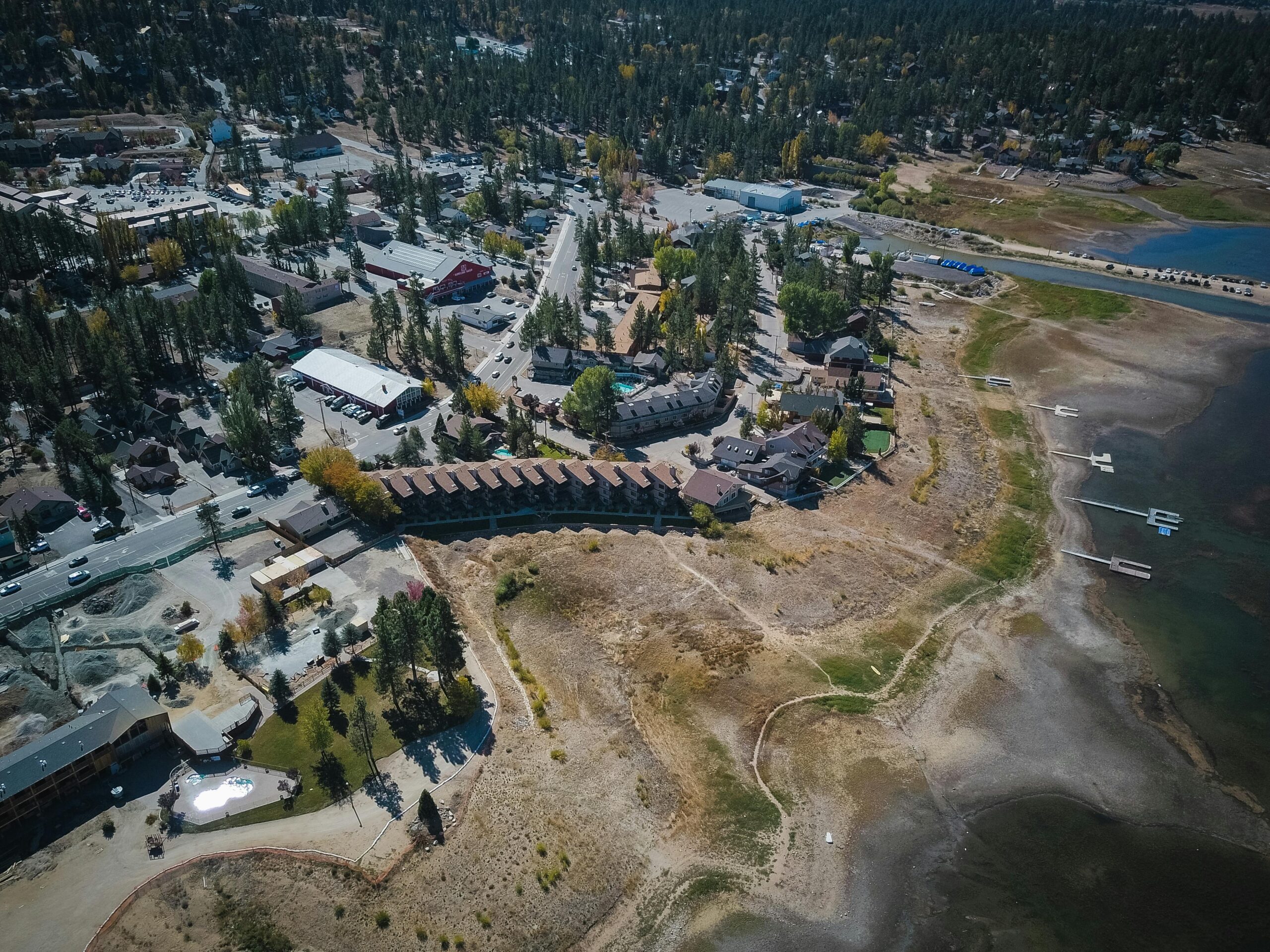
Charting the Path Forward for Water Resilience 🚀
The climate crisis ensures that drought risks will intensify for many regions while emerging in areas previously considered water-secure. Scenario modeling must evolve continuously to address these changing conditions and incorporate new scientific understanding of climate-water-society interactions.
Integration across infrastructure sectors represents the next frontier. Water systems don’t operate in isolation—they depend on electric power, transportation networks, and communications systems while also supporting food production, industrial processes, and ecosystem health. Multi-sectoral scenario models that capture these interdependencies will enable more comprehensive resilience strategies.
Equity considerations must become central to drought resilience planning. Scenario models should evaluate how different drought response strategies affect vulnerable populations, ensuring that resilience investments benefit all community members rather than exacerbating existing disparities.
The transition toward drought-resilient water infrastructure requires sustained commitment from utilities, regulators, policymakers, and communities. Scenario modeling provides the analytical foundation for this transformation, revealing vulnerabilities, evaluating alternatives, and building consensus around necessary actions.
As computational capabilities expand and data availability increases, scenario models will become more sophisticated, accurate, and accessible. However, the fundamental value remains constant: enabling water systems to anticipate, withstand, and recover from drought conditions that threaten the essential services upon which modern society depends.
Water utilities that embrace scenario-based planning position themselves not merely to survive future droughts but to maintain reliable service even as climate change intensifies water scarcity challenges. This proactive approach transforms drought from an existential threat into a manageable risk, ensuring that communities can thrive even in water-limited futures.