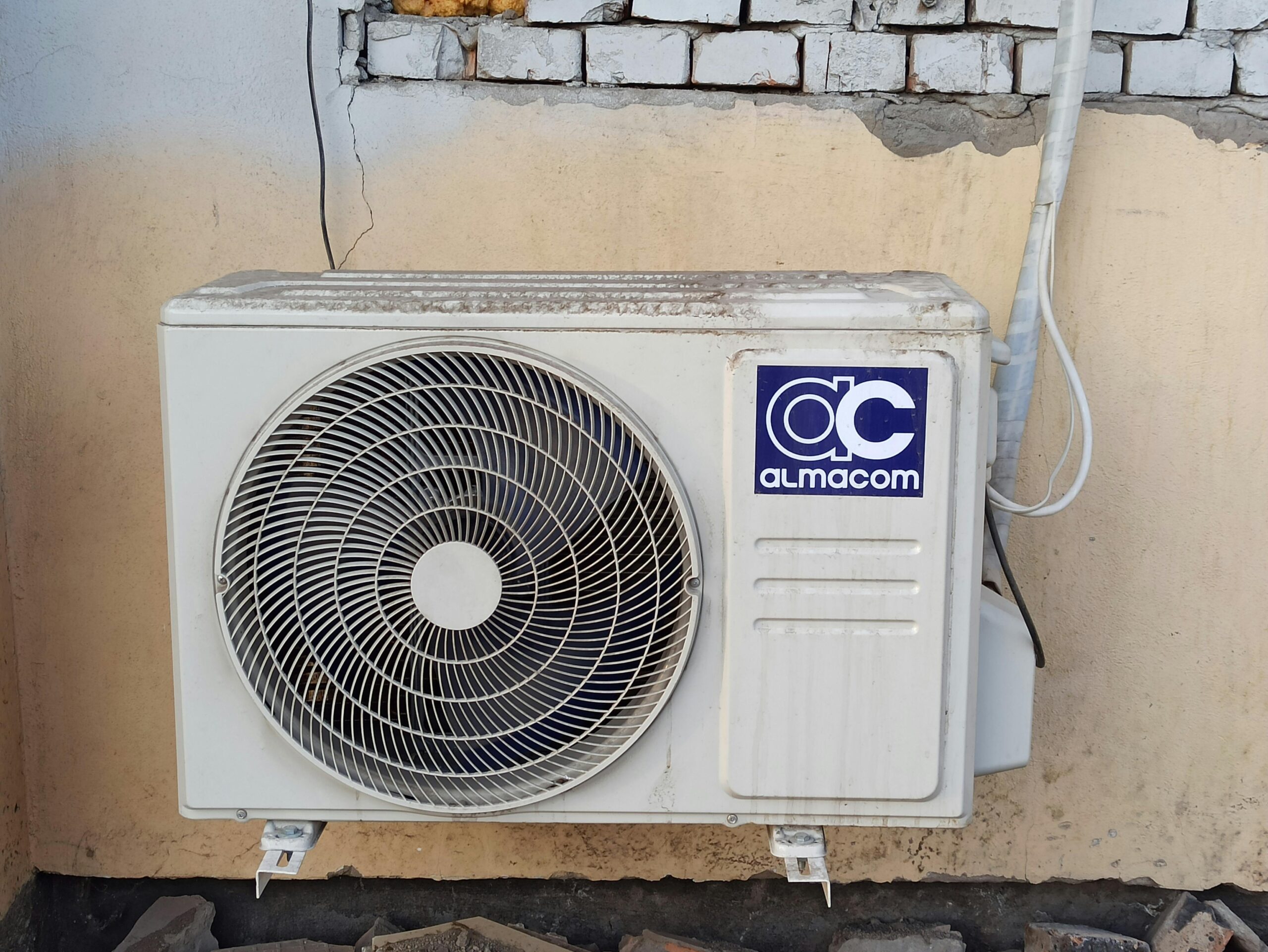
The global water crisis demands innovative solutions. Coupling Atmospheric Water Generators (AWGs) with desalination technologies offers a revolutionary pathway toward sustainable water security for communities worldwide.

🌊 Understanding the Global Water Challenge
Water scarcity affects more than 2 billion people globally, with climate change intensifying droughts and depleting freshwater reserves. Traditional water supply methods strain natural resources, creating an urgent need for alternative technologies that can produce clean water without exhausting rivers, lakes, or underground aquifers.
The convergence of atmospheric water generation and desalination represents a paradigm shift in how we approach water production. Rather than viewing these technologies as competitors, forward-thinking researchers and engineers recognize their complementary strengths, creating hybrid systems that maximize efficiency while minimizing environmental impact.
The Science Behind Atmospheric Water Generators
Atmospheric Water Generators extract moisture from ambient air through condensation processes. These devices capitalize on the fact that Earth’s atmosphere contains approximately 13,000 trillion liters of water at any given moment—a vast, renewable resource floating above our heads.
AWG technology operates through several methods:
- Cooling condensation: Air passes over refrigerated coils, causing water vapor to condense into liquid form
- Desiccant materials: Hygroscopic substances absorb moisture, which is then extracted through heating
- Membrane technology: Specialized membranes selectively allow water molecules to pass through
- Thermoelectric cooling: Peltier devices create temperature differentials that promote condensation
Each method has distinct advantages depending on climate conditions, energy availability, and water production requirements. The optimal approach varies based on humidity levels, temperature ranges, and intended application scale.
Desalination: Turning Oceans into Opportunity
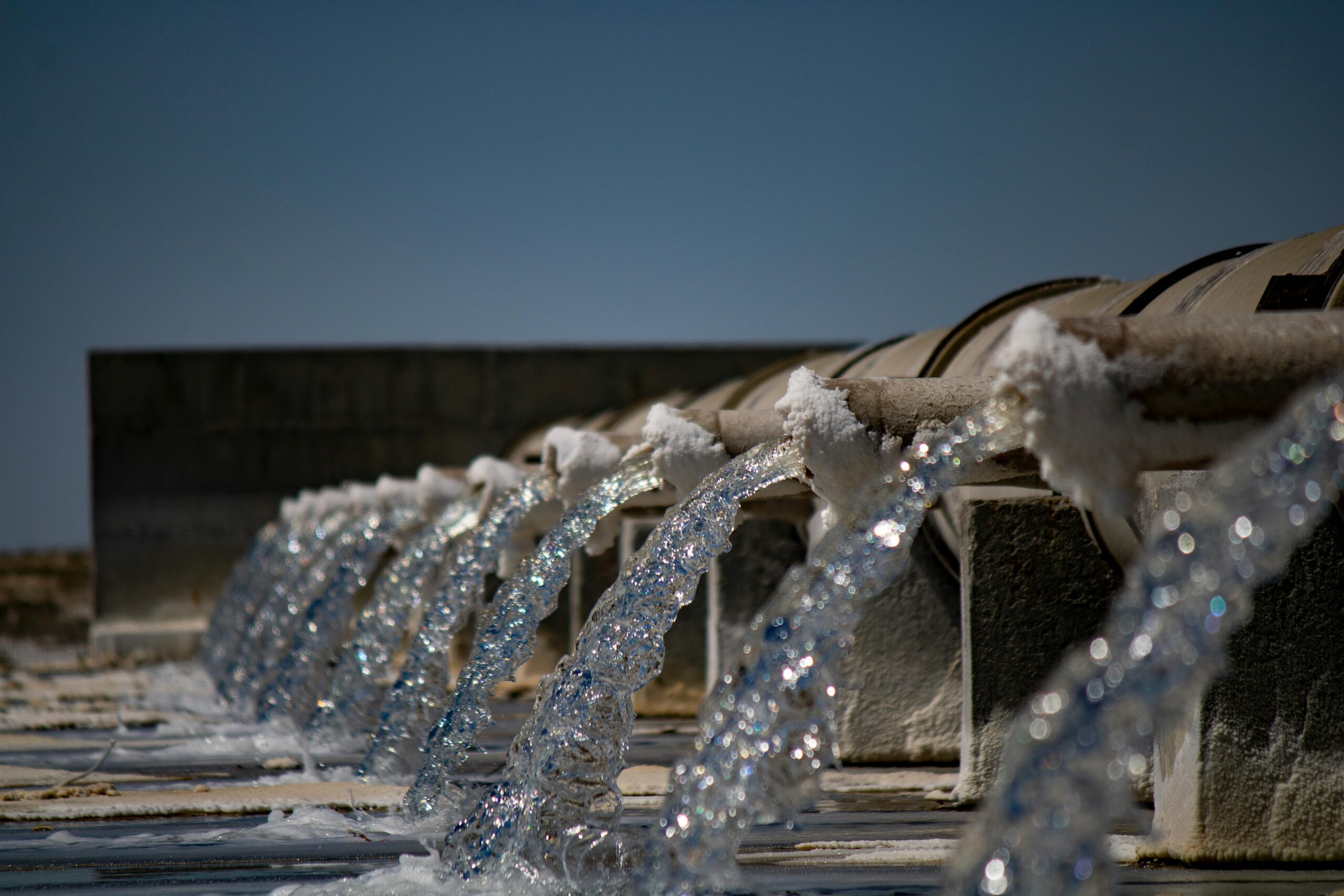
Desalination technologies remove salt and minerals from seawater or brackish water, making it suitable for human consumption and agricultural use. With oceans covering 71% of Earth’s surface, desalination taps into an effectively limitless water source.
Modern desalination employs two primary techniques:
Reverse Osmosis (RO): This membrane-based process forces saltwater through semi-permeable membranes under high pressure, separating pure water from dissolved salts. RO dominates the global desalination market due to its energy efficiency improvements and declining costs.
Thermal Desalination: Methods like Multi-Stage Flash (MSF) and Multi-Effect Distillation (MED) heat seawater to create vapor, which condenses into fresh water. While energy-intensive, thermal systems excel in regions with abundant low-cost energy or waste heat availability.
Despite tremendous advances, desalination faces challenges including energy consumption, brine disposal, and infrastructure costs. This is precisely where coupling with AWG technology creates exciting possibilities.
💡 The Revolutionary Hybrid Approach
Integrating AWGs with desalination creates synergistic systems that address each technology’s limitations while amplifying their strengths. This hybrid approach delivers multiple benefits that neither technology achieves independently.
Energy Optimization Through Integration
Desalination plants generate substantial waste heat during operation. Instead of dissipating this thermal energy, hybrid systems redirect it to power desiccant-based AWG units, dramatically improving overall energy efficiency. This symbiotic relationship reduces the carbon footprint of both processes.
Solar-powered desalination facilities benefit particularly from this integration. During peak sunlight hours, excess renewable energy drives both desalination and AWG operations. When solar generation decreases, the system prioritizes desalination while using stored thermal energy for atmospheric water extraction.
Distributed Water Production Networks
Traditional water infrastructure relies on centralized production and extensive distribution networks prone to contamination, leaks, and high maintenance costs. Hybrid AWG-desalination systems enable decentralized water production, placing generation capacity closer to end users.
Coastal communities implement desalination for baseload water supply while deploying AWG units throughout inland areas. This distributed approach reduces pipeline requirements, energy losses from pumping, and vulnerability to infrastructure failures.
Climate Adaptability and Resilience 🌍
Climate variability demands flexible water solutions. Hybrid systems automatically adjust to changing environmental conditions, switching between atmospheric extraction and desalination based on humidity levels, temperature, energy costs, and water demand.
In humid coastal regions, AWG units operate efficiently during high-humidity periods while desalination handles baseline demand. During dry seasons, the system shifts emphasis toward desalination. This adaptive capacity ensures consistent water availability regardless of weather patterns.
Island nations particularly benefit from this flexibility. Many islands face dual challenges of saltwater intrusion into groundwater and limited freshwater sources. Hybrid systems provide resilient solutions without depleting precious aquifers.
Economic Considerations and Cost Analysis
While initial capital investment for hybrid systems exceeds single-technology implementations, lifecycle cost analysis reveals significant economic advantages:
| Factor | Single Technology | Hybrid System |
|---|---|---|
| Energy Efficiency | Moderate | High (waste heat utilization) |
| Infrastructure Costs | High (extensive piping) | Lower (distributed generation) |
| Operational Flexibility | Limited | Excellent (climate adaptive) |
| Maintenance Requirements | Centralized, intensive | Distributed, manageable |
| Water Security | Vulnerable to single-point failure | Redundant, resilient |
Declining costs for both AWG and desalination technologies improve economic viability. Solar panel prices have dropped 90% over the past decade, while membrane technology advances reduce desalination energy requirements by 40-50% compared to older systems.
Environmental Benefits Beyond Water Production
Hybrid AWG-desalination systems deliver environmental advantages extending beyond sustainable water generation. These benefits address multiple ecological concerns simultaneously.
Reduced Brine Impact
Traditional desalination produces concentrated brine requiring careful disposal to prevent marine ecosystem damage. Hybrid systems that incorporate AWG capacity reduce total desalination throughput, proportionally decreasing brine generation. Some advanced configurations use atmospheric water for brine dilution before ocean discharge, minimizing salinity impacts.
Lower Carbon Emissions
Energy consumption represents desalination’s primary environmental concern. By optimizing energy use through waste heat recovery and coupling with renewable energy sources, hybrid systems dramatically reduce greenhouse gas emissions per liter of water produced.
Studies indicate properly designed hybrid systems achieve 30-45% lower carbon intensity compared to conventional desalination plants operating on grid electricity from fossil fuels.
🔧 Implementation Strategies for Different Contexts
Successful hybrid system deployment requires context-specific approaches that account for local geography, climate, energy infrastructure, and water demand patterns.
Urban Coastal Applications
Large coastal cities implement utility-scale desalination for primary supply while installing AWG units on buildings for supplemental water and emergency backup. Rooftop AWG systems harvest atmospheric moisture during humid periods, reducing municipal water demand and providing building-specific resilience.
Singapore exemplifies this approach, combining massive desalination capacity with distributed water recycling and atmospheric harvesting to achieve water independence despite limited natural freshwater resources.
Remote and Island Communities
Isolated populations lacking grid connection benefit enormously from solar-powered hybrid systems scaled to community needs. These installations provide complete water independence, eliminating dependence on shipped water or diesel-powered desalination.
Small-scale modular designs allow progressive capacity expansion as communities grow, avoiding overinvestment in infrastructure while maintaining flexibility for future needs.
Agricultural Applications
Agriculture consumes 70% of global freshwater withdrawals, making it a critical sector for sustainable water innovation. Hybrid systems provide irrigation water while recovering agricultural waste heat to power AWG units, creating closed-loop resource systems.
Greenhouse operations particularly benefit, using humidity from plant transpiration as input for AWG systems while desalination provides baseline irrigation water. This integration reduces both water consumption and humidity-related plant diseases.
Technological Innovations Driving Future Development
Ongoing research accelerates hybrid system performance, affordability, and accessibility. Several breakthrough technologies promise to transform this field over the coming decade.
Advanced Materials
Graphene-based membranes demonstrate water permeability rates 10-100 times higher than conventional reverse osmosis membranes while requiring significantly less pressure. These materials reduce desalination energy consumption dramatically when combined with AWG systems optimized through nanotechnology-enhanced desiccants.
Metal-organic frameworks (MOFs) represent another promising development. These crystalline compounds absorb water vapor with exceptional efficiency at low humidity levels, extending AWG viability into arid climates previously considered unsuitable for atmospheric water harvesting.
Artificial Intelligence Optimization
Machine learning algorithms continuously analyze weather patterns, energy prices, water demand forecasts, and system performance data to optimize hybrid operations in real-time. AI-driven control systems automatically adjust the balance between AWG and desalination operations, maximizing efficiency while minimizing costs.
Predictive maintenance algorithms identify potential equipment failures before they occur, reducing downtime and extending system lifespan. These intelligent systems learn from operational experience, continuously improving performance over time.
⚡ Energy Integration and Renewable Synergies
The future of hybrid water systems lies in deep integration with renewable energy infrastructure. Solar, wind, and emerging technologies like wave power provide clean energy perfectly suited to water production operations.
Battery storage systems buffer renewable energy intermittency, ensuring continuous water production. During periods of excess renewable generation, surplus energy powers water production beyond immediate demand, with the water itself serving as energy storage—pumped to elevated tanks for gravity-fed distribution when needed.
This energy-water nexus creates resilient systems that address two fundamental human needs simultaneously while accelerating the transition away from fossil fuels.
Overcoming Implementation Barriers
Despite tremendous potential, hybrid AWG-desalination systems face adoption challenges that stakeholders must address to achieve widespread implementation.
Regulatory Frameworks
Many jurisdictions lack appropriate regulations for atmospheric water harvesting or distributed water production. Policymakers must develop frameworks that encourage innovation while ensuring water quality and system safety. Progressive regulations should recognize hybrid systems as legitimate water sources equivalent to traditional supplies.
Financing and Investment
High upfront costs deter adoption despite favorable lifecycle economics. Innovative financing mechanisms like water-as-a-service models, green bonds, and public-private partnerships can overcome capital barriers. International development banks increasingly recognize water security as critical infrastructure deserving concessional financing.
Technical Capacity Building
Successful system operation requires trained technicians capable of maintaining sophisticated equipment. Workforce development programs must expand to create the technical expertise necessary for widespread hybrid system deployment, particularly in developing regions where water needs are most acute.
🌟 Real-World Success Stories
Multiple pioneering projects demonstrate hybrid system viability across diverse contexts, providing blueprints for broader implementation.
The UAE has installed hybrid systems combining solar-powered desalination with AWG technology to supply remote desert installations, achieving complete water independence with zero emissions. These systems operate reliably in one of Earth’s harshest climates, proving technical feasibility under extreme conditions.
California communities have deployed building-scale hybrid units that provide both emergency water supplies and daily supplemental production, reducing municipal demand while enhancing disaster resilience. These installations performed exceptionally during recent drought periods and wildfire emergencies.
Several Caribbean islands have replaced diesel-powered desalination with renewable-energy hybrid systems, slashing operational costs while eliminating fossil fuel dependence. These projects demonstrate economic viability for island contexts globally.
The Path Forward: Scaling Sustainable Solutions
Revolutionizing global water supply through hybrid AWG-desalination systems requires coordinated action across technology development, policy innovation, and investment mobilization. The technical foundation exists today—the challenge lies in scaling proven solutions to meet global needs.
Governments must prioritize water security as critical infrastructure worthy of substantial investment. International cooperation can accelerate technology transfer to water-stressed regions while fostering innovation through collaborative research programs.
Private sector engagement brings essential capital, technological expertise, and operational efficiency. Entrepreneurs developing modular, scalable hybrid systems are creating business models that deliver both profit and social impact, proving sustainability and profitability are compatible goals.
Civil society plays a crucial role in building public awareness and support for water innovation. As communities recognize hybrid systems’ benefits—reliability, sustainability, and resilience—political will for transformative investment grows.
🚀 Envisioning a Water-Secure Future
The coupling of atmospheric water generation with desalination represents more than technological innovation—it embodies a fundamental reimagining of humanity’s relationship with water resources. Rather than extracting from depleting natural reserves, we can harvest from renewable sources: the atmosphere and oceans.
This transition mirrors the energy sector’s shift toward renewables. Just as solar and wind power liberate us from fossil fuel dependence, hybrid water systems free communities from over-reliance on vulnerable freshwater sources. The parallel is profound: both transitions are essential, achievable, and increasingly economically compelling.
The water challenges facing our world are immense, but solutions exist. By harnessing the complementary strengths of AWG and desalination technologies, we create resilient, sustainable water systems capable of meeting growing demand while protecting precious freshwater ecosystems.
The revolution in water supply has begun. Through continued innovation, strategic investment, and committed implementation, we can ensure that clean, affordable water becomes a universal reality rather than a limited privilege. The technology is ready—now we must deploy it at the scale our future demands.