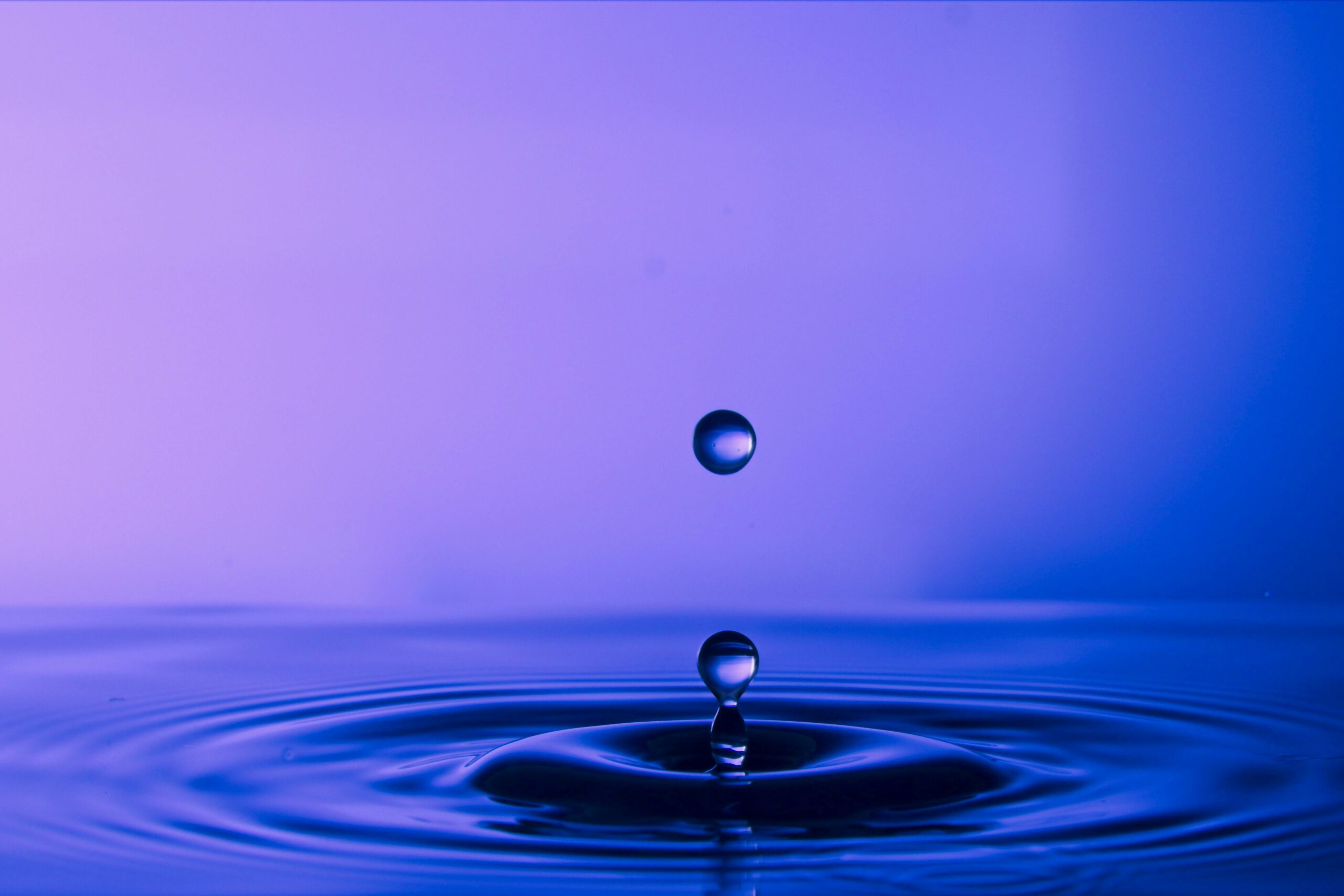
Imagine a surface that both attracts and repels water simultaneously, creating mesmerizing patterns of droplets dancing across carefully engineered zones. This is the fascinating realm of patterned wettability! 🌊

The science of controlling how liquids interact with surfaces has revolutionized everything from self-cleaning windows to advanced medical diagnostics. By creating strategic mosaics of hydrophilic (water-loving) and hydrophobic (water-repelling) regions, scientists and engineers have unlocked unprecedented control over fluid behavior at microscopic and macroscopic scales.
These carefully designed surfaces represent more than just academic curiosity—they’re reshaping industries, enabling breakthrough technologies, and solving real-world problems in ways that seemed impossible just decades ago. From guiding microscopic droplets in lab-on-a-chip devices to creating fog-harvesting nets inspired by desert beetles, patterned wettability is quietly transforming our technological landscape.
The Fundamental Dance Between Water and Surfaces 💧
Understanding patterned wettability begins with grasping the basic principles of how liquids interact with solid surfaces. When a water droplet lands on a surface, it must make a critical decision: should it spread out and embrace the material, or ball up and minimize contact?
This decision depends on the delicate balance between three interfacial tensions: liquid-vapor, solid-vapor, and solid-liquid. The resulting contact angle—the angle formed where the droplet meets the surface—tells us everything we need to know about the surface’s wettability characteristics.
Hydrophilic surfaces, with contact angles below 90 degrees, welcome water with open arms. These surfaces possess high surface energy and often contain polar groups that form hydrogen bonds with water molecules. Think of a clean glass window or a freshly washed ceramic tile—water spreads readily across these materials.
Hydrophobic surfaces, conversely, push water away, creating contact angles greater than 90 degrees. These low-energy surfaces often feature non-polar molecular groups. The classic example is a freshly waxed car hood, where water beads up into near-perfect spheres that roll off with the slightest tilt.
Nature’s Blueprint: Biomimicry and Wettability Patterns 🦎
Long before human engineers began manipulating surface wettability, nature had already perfected the art. The natural world offers countless examples of sophisticated wettability patterns that have inspired modern technological applications.
The lotus leaf stands as perhaps the most celebrated example. Its surface features micro- and nano-scale roughness combined with hydrophobic wax crystals, creating superhydrophobic properties. Water droplets roll off effortlessly, collecting dirt particles along the way—a phenomenon known as the “lotus effect” that has inspired self-cleaning coatings worldwide.
Desert beetles in Namibia have evolved an ingenious fog-harvesting system on their backs. Their shells display alternating patterns of hydrophilic bumps and hydrophobic valleys. Morning fog condenses on the hydrophilic peaks, forming droplets that grow until they roll down the hydrophobic channels directly into the beetle’s mouth. This natural design has inspired artificial fog-collection systems in water-scarce regions.
Spider silk presents another remarkable example, with periodic variations in fiber thickness creating alternating wettability zones. This causes water droplets to migrate toward specific locations, demonstrating how geometry and surface chemistry work together to control fluid movement.
Engineering the Perfect Mosaic: Fabrication Techniques ⚙️
Creating patterned wettability surfaces requires precision engineering at multiple scales. Researchers have developed numerous fabrication techniques, each with unique advantages and applications.
Photolithography and Soft Lithography
Borrowed from the semiconductor industry, photolithography allows researchers to create microscale wettability patterns with exceptional precision. By selectively exposing photoresist-coated surfaces to UV light through patterned masks, scientists can define hydrophilic and hydrophobic regions with micrometer resolution.
Soft lithography techniques, including microcontact printing and replica molding, offer more accessible alternatives. These methods use elastomeric stamps to transfer chemical patterns or create topographical features that modulate wettability. The flexibility and cost-effectiveness of soft lithography have made it particularly popular in academic research settings.
Plasma Treatment and Chemical Modification
Plasma treatments provide powerful tools for modifying surface chemistry without altering bulk material properties. By exposing surfaces to oxygen or nitrogen plasma through patterned masks, researchers can selectively increase surface energy and create hydrophilic zones surrounded by pristine hydrophobic regions.
Self-assembled monolayers (SAMs) represent another elegant approach. These molecular-thin coatings spontaneously organize on surfaces, and by controlling their deposition through masked regions or selective chemical reactions, researchers can paint precise wettability patterns at the molecular level.
Laser Processing and Direct Writing
Advanced laser systems enable direct writing of wettability patterns without masks or contact. Femtosecond laser pulses can create complex surface textures and chemical modifications simultaneously, producing intricate hierarchical structures that exhibit extreme wettability contrasts. This technique offers unparalleled flexibility for creating custom patterns and prototyping new designs.
Microfluidics Revolution: Lab-on-a-Chip Applications 🔬
Patterned wettability has become a cornerstone technology in microfluidics, where controlling tiny liquid volumes is essential. These surfaces enable passive pumping, droplet manipulation, and fluid routing without external power sources or moving parts.
In digital microfluidics, discrete droplets move across surfaces containing patterned electrodes. By modulating the electrical field, researchers can dynamically alter local wettability, causing droplets to move, merge, split, or mix on command. This technology powers next-generation diagnostic devices that can perform complex biochemical assays using sample volumes smaller than a raindrop.
Open microfluidic systems exploit patterned wettability to confine liquids to specific paths without physical walls. Hydrophilic tracks on hydrophobic backgrounds create virtual channels that guide fluids precisely where needed. These systems simplify fabrication, reduce costs, and allow easy sample access—critical advantages for point-of-care medical testing.
Water Harvesting and Management Solutions 🌍
As water scarcity intensifies globally, patterned wettability surfaces offer innovative solutions for collecting, directing, and managing this precious resource.
Fog-harvesting meshes inspired by the Namibian beetle incorporate engineered wettability patterns to maximize water collection efficiency. Large-scale installations in Chile, Peru, and other arid regions already provide communities with thousands of liters of fresh water daily, demonstrating the real-world impact of this technology.
Building materials featuring patterned wettability can manage rainwater more effectively, channeling it away from vulnerable areas or directing it toward collection systems. Some designs even incorporate moisture-responsive patterns that change behavior based on environmental conditions, providing adaptive water management.
Biomedical Breakthroughs and Healthcare Applications 🏥
The biomedical field has embraced patterned wettability for applications ranging from tissue engineering to diagnostic devices.
Cell culture substrates with defined wettability patterns can direct where cells attach and grow, enabling researchers to create organized tissue structures. By creating hydrophilic cell-adhesion zones surrounded by hydrophobic barriers, scientists can culture multiple cell types in precise spatial arrangements on a single substrate, advancing tissue engineering and regenerative medicine.
Diagnostic assays benefit enormously from patterned wettability. Lateral flow tests—like pregnancy tests and COVID-19 rapid tests—rely on carefully engineered wettability gradients to transport sample fluids through detection zones. Advanced versions incorporate complex patterns that enable multiplexed testing, where a single device simultaneously screens for multiple conditions.
Anti-fouling surfaces for medical implants utilize strategic wettability patterns to discourage bacterial colonization while promoting integration with surrounding tissue. These surfaces represent a sophisticated approach to reducing infection risks in implantable devices.
Self-Cleaning Surfaces and Anti-Fouling Technologies ✨
The lotus effect has inspired widespread development of self-cleaning surfaces for countless applications. Buildings covered in superhydrophobic coatings stay cleaner longer, reducing maintenance costs and preserving aesthetic appeal. Solar panels with these coatings maintain higher efficiency by shedding dust and debris with each rainfall.
Marine applications benefit significantly from anti-fouling surfaces that resist barnacle attachment and biofilm formation. Ships coated with these materials experience less drag, improving fuel efficiency and reducing the need for toxic anti-fouling paints that harm marine ecosystems.
Textile applications have emerged as an exciting frontier. Fabrics incorporating patterned wettability resist staining while maintaining breathability and comfort. Some designs even create directional water transport, pulling moisture away from skin while preventing external water penetration—perfect for performance sportswear.
Heat Transfer Enhancement and Energy Applications 🔥
Patterned wettability surfaces are revolutionizing thermal management in power generation, electronics cooling, and climate control systems.
In boiling heat transfer, surfaces with alternating wettability zones optimize bubble nucleation and departure. Hydrophobic spots promote bubble formation, while hydrophilic regions facilitate liquid replenishment, dramatically increasing heat transfer efficiency. Power plants and data centers implementing these surfaces achieve better cooling performance with reduced energy consumption.
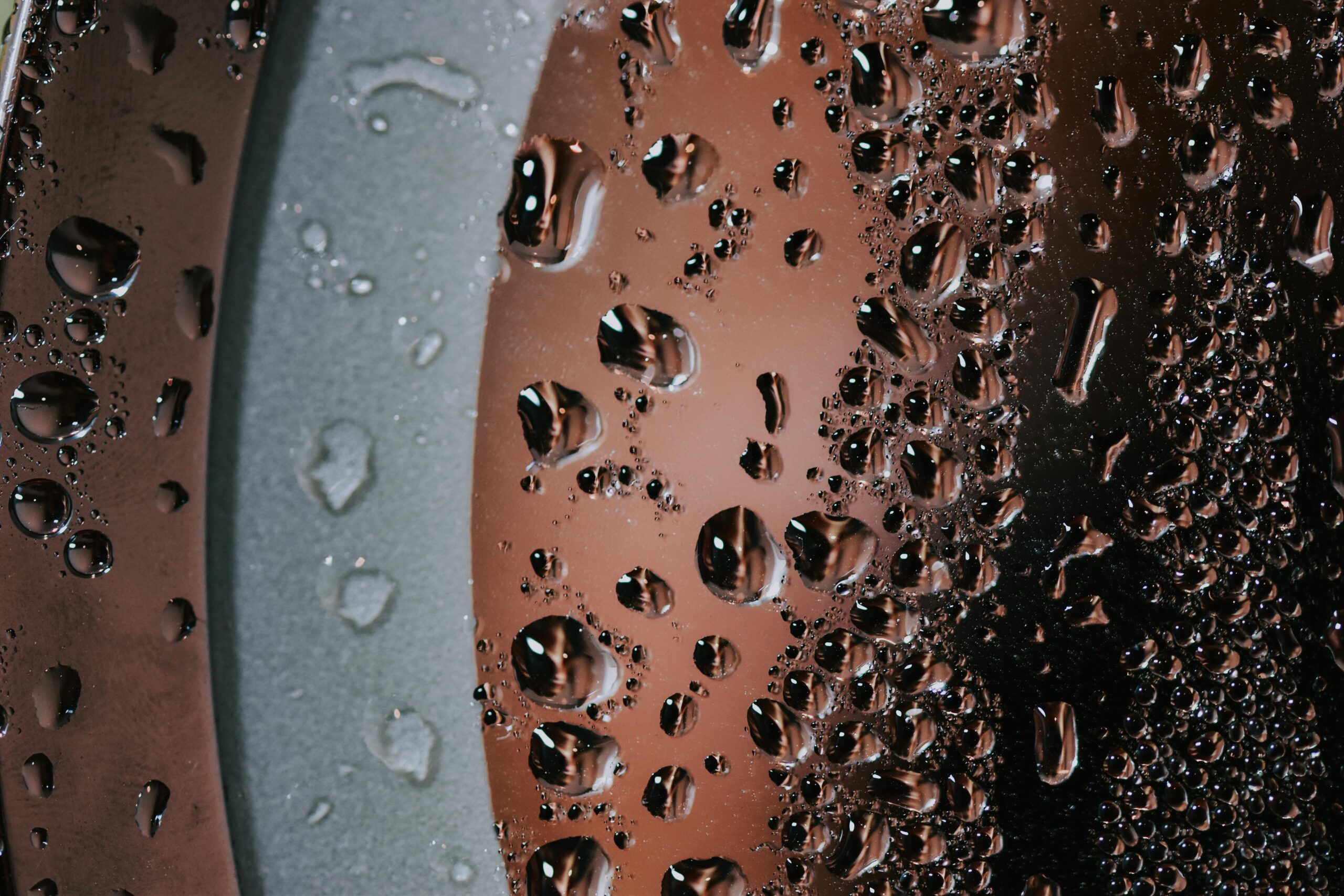
Condensation heat exchangers benefit similarly. Patterned surfaces can promote dropwise condensation—where water forms discrete droplets that roll away quickly—rather than filmwise condensation, where a liquid film insulates the surface. This simple change can increase heat transfer coefficients by an order of magnitude.
Future Horizons: Emerging Applications and Research Directions 🚀
The field of patterned wettability continues expanding rapidly, with researchers exploring increasingly sophisticated applications and novel design principles.
Responsive surfaces that dynamically change their wettability patterns represent an exciting frontier. Materials incorporating stimuli-responsive polymers, liquid crystals, or electroactive components can alter their hydrophilic-hydrophobic distribution in response to temperature, pH, light, or electrical signals. These “smart” surfaces enable unprecedented control over fluid behavior in real-time.
Three-dimensional wettability patterning extends beyond flat surfaces into complex geometries and internal structures. Researchers are developing methods to create wettability gradients within porous materials, opening possibilities for advanced filtration, catalysis, and chemical separation applications.
Nanoscale patterning pushes wettability control to its ultimate limits. At dimensions comparable to individual molecules, quantum effects and molecular interactions dominate, offering opportunities to engineer surfaces with properties impossible at larger scales.
Challenges and Considerations in Implementation 🎯
Despite tremendous promise, patterned wettability technologies face several challenges that researchers and engineers continue addressing.
Durability remains a primary concern. Many superhydrophobic coatings, while impressive initially, degrade under mechanical wear, UV exposure, or chemical attack. Developing robust surfaces that maintain their wettability patterns through years of real-world use requires careful material selection and protective strategies.
Scalability presents another obstacle. Laboratory techniques that create beautiful patterns on small samples often prove impractical for large-scale manufacturing. Bridging the gap between research demonstrations and commercial production requires developing cost-effective, high-throughput fabrication methods.
Environmental considerations increasingly influence material choices. Early hydrophobic coatings sometimes contained fluorinated compounds with environmental persistence concerns. Modern formulations emphasize sustainable, bio-based alternatives that deliver comparable performance without ecological drawbacks.
The Intersection of Art and Science 🎨
Beyond pure functionality, patterned wettability has captured imaginations as an artistic medium. Artists and designers collaborate with scientists to create installations that reveal the hidden poetry of water-surface interactions.
Interactive artworks respond to humidity, rain, or deliberate water application, revealing colorful patterns or hidden messages as droplets migrate across engineered surfaces. These pieces educate while enchanting, making complex scientific principles tangible and beautiful.
Architectural applications merge aesthetic and functional considerations. Building facades that direct rainwater into artistic cascades or create ephemeral patterns during storms demonstrate how engineering and design can harmonize to create spaces that delight while performing practical functions.
Transforming Industries Through Surface Engineering 💼
The commercial impact of patterned wettability extends across numerous industries, driving innovation and creating competitive advantages.
The automotive industry incorporates these technologies in windshields, mirrors, and sensors. Water-repellent glass improves visibility during rain, while anti-fog coatings on camera lenses ensure autonomous driving systems maintain reliable vision regardless of weather conditions.
Aerospace applications demand extreme performance reliability. Aircraft surfaces with engineered wettability reduce ice accumulation, improving safety and reducing the need for energy-intensive de-icing systems. Satellite components utilize these principles to manage condensation in space environments.
Consumer electronics benefit from water-resistant coatings that protect sensitive components without compromising device aesthetics or functionality. The trend toward waterproof smartphones and wearable devices relies heavily on advanced surface engineering including patterned wettability approaches.
Empowering Innovation Through Cross-Disciplinary Collaboration 🤝
Progress in patterned wettability exemplifies the power of cross-disciplinary collaboration. Chemists, physicists, materials scientists, engineers, and biologists contribute unique perspectives that collectively drive the field forward.
This collaborative spirit extends beyond academia into partnerships between universities, national laboratories, and industry. Such cooperation accelerates technology transfer, ensuring scientific breakthroughs translate into practical solutions that benefit society.
Educational initiatives introducing students to wettability science spark curiosity and inspire the next generation of innovators. Simple demonstrations—like watching water droplets navigate patterned surfaces—provide intuitive entry points into complex scientific concepts, building scientific literacy and enthusiasm.
The journey into patterned wettability reveals a world where surface chemistry, fluid dynamics, and creative engineering converge to solve pressing challenges. From harvesting water in deserts to enabling medical diagnostics, these hydrophilic-hydrophobic mosaics demonstrate how understanding and manipulating interfacial phenomena creates tangible value across countless applications. As fabrication techniques advance and our understanding deepens, the potential for innovation remains boundless, promising continued discoveries and applications that will shape our technological future. The magic of patterned wettability lies not just in its scientific elegance, but in its capacity to address real needs with solutions that are simultaneously sophisticated and inspired by nature’s timeless wisdom.