Bio-inspired surfaces are revolutionizing technology by mimicking nature’s most efficient designs, offering unprecedented solutions for device scaling challenges in modern engineering and manufacturing.

🌿 Nature’s Blueprint: Understanding Bio-Inspired Surface Engineering
The natural world has spent billions of years perfecting surface structures that solve complex problems with elegant simplicity. From the self-cleaning properties of lotus leaves to the adhesive capabilities of gecko feet, nature provides a vast library of solutions that engineers are now translating into breakthrough technologies for device scaling.
Bio-inspired surfaces represent a paradigm shift in how we approach miniaturization and functionality enhancement in electronic devices, medical equipment, and industrial applications. As traditional scaling methods reach their physical and economic limits, these nature-derived solutions offer pathways to continued innovation without the exponential cost increases typically associated with advanced manufacturing processes.
The convergence of nanotechnology, materials science, and biological understanding has created unprecedented opportunities to replicate nature’s microscopic surface architectures. These structures, often operating at scales smaller than the wavelength of visible light, demonstrate properties that seem almost magical: water that rolls off instantly, surfaces that never fog, materials that self-heal, and adhesives that work in vacuum conditions.
🔬 The Science Behind Surface Mimicry
At the heart of bio-inspired surface technology lies an understanding of how microscopic and nanoscopic structures interact with their environment. Unlike traditional smooth surfaces, biological surfaces feature complex hierarchical patterns that create emergent properties far beyond what their base materials would suggest.
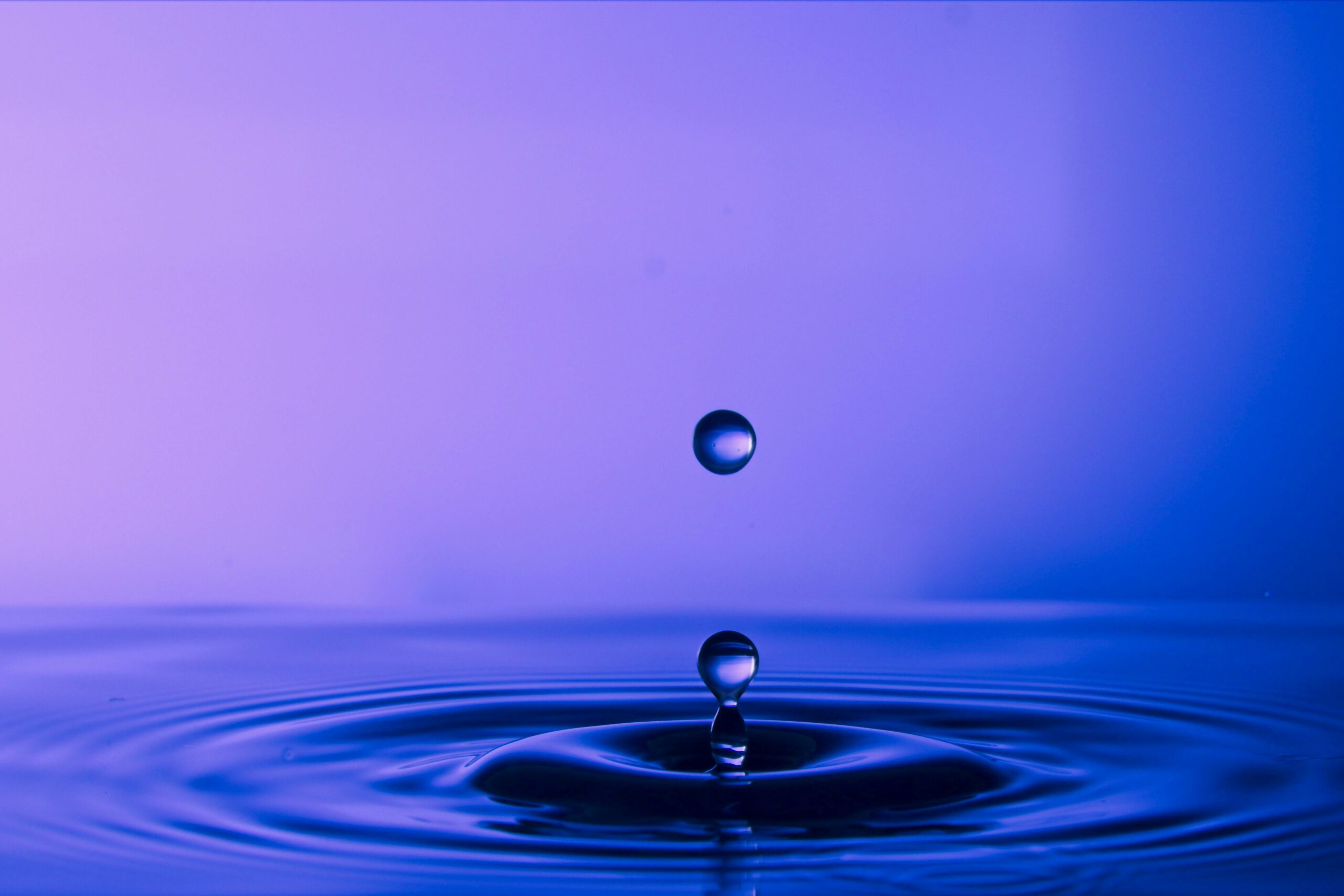
The lotus effect, perhaps the most famous example, relies on micro-bumps covered with nano-crystals of wax. This dual-scale roughness creates superhydrophobic behavior where water droplets maintain nearly spherical shapes and roll off, carrying dirt particles with them. This principle has been successfully translated into self-cleaning coatings for solar panels, windows, and electronic device screens, dramatically reducing maintenance requirements and improving long-term performance.
Shark skin provides another compelling model. Its dermal denticles reduce drag by up to 8% through microscopic riblets that manage turbulent flow at the boundary layer. Applied to surfaces in microfluidic devices, this principle enables more efficient fluid handling in lab-on-chip systems and cooling channels for high-density electronics, directly addressing thermal management challenges in device scaling.
Hierarchical Structures: The Key to Multifunctionality
What makes biological surfaces particularly valuable for device scaling is their hierarchical organization. Nature rarely relies on a single structural scale; instead, features at multiple size ranges work together to create robust, multifunctional surfaces.
Butterfly wings demonstrate this principle beautifully. Their coloration derives not from pigments but from photonic crystal structures at nanoscale dimensions. These structures manipulate light through interference and diffraction, creating brilliant colors while also providing water repellency and thermal regulation. Engineers are now applying similar principles to create displays with lower power consumption, anti-counterfeiting features, and sensors that change color in response to environmental conditions.
⚙️ Practical Applications in Device Scaling
The transition from biological inspiration to technological implementation requires sophisticated fabrication techniques and materials engineering. Several manufacturing approaches have proven successful in translating nature’s designs into scalable production processes.
Semiconductor Manufacturing Enhancement
In the semiconductor industry, where feature sizes have shrunk below 5 nanometers, bio-inspired surfaces are addressing critical challenges. Anti-reflective coatings based on moth-eye structures reduce light loss in photolithography processes, enabling more precise patterning at smaller scales. These surfaces feature arrays of nanoscale protrusions that create a gradual refractive index transition, virtually eliminating reflection across broad wavelength ranges.
This technology directly impacts yield rates in chip manufacturing, where even minor improvements in process reliability translate to millions of dollars in savings. The surfaces also show promise for next-generation extreme ultraviolet (EUV) lithography systems, where traditional coatings fail to provide adequate performance.
Thermal Management Solutions
As devices become smaller and more powerful, thermal management has emerged as a primary scaling bottleneck. Bio-inspired surfaces offer innovative solutions through enhanced heat transfer mechanisms inspired by termite mounds, elephant ears, and tropical plant leaves.
Micro-structured surfaces that promote nucleate boiling can increase heat transfer coefficients by factors of three to ten compared to smooth surfaces. These structures, based on cactus spine arrangements and pitcher plant interior surfaces, enable more efficient cooling in data centers, electric vehicle batteries, and high-performance computing systems.
- Enhanced evaporation surfaces for passive cooling systems
- Capillary-driven heat pipes with superior thermal conductivity
- Phase-change cooling systems with extended operational ranges
- Thermal interface materials with improved conformability
🔋 Energy Efficiency Through Surface Engineering
Energy consumption remains a critical concern in device scaling, particularly for mobile electronics and Internet of Things (IoT) applications. Bio-inspired surfaces contribute significantly to energy efficiency through multiple mechanisms.
Solar cell efficiency has been improved by up to 40% through the application of antireflective nanostructures derived from rose petal surfaces. These structures trap light more effectively than flat surfaces, increasing photon absorption across a wider range of incident angles. The technology is particularly valuable for flexible solar cells used in wearable devices and curved architectural applications.
Friction Reduction and Wear Resistance
Mechanical interfaces in miniaturized devices face extreme challenges due to unfavorable scaling of surface forces. As devices shrink, surface area to volume ratios increase dramatically, making friction, adhesion, and wear dominant concerns.
Bio-inspired solutions based on snake scales, fish scales, and plant leaf surfaces have demonstrated remarkable friction reduction properties. These surfaces use directional microstructures that create asymmetric friction coefficients, enabling controlled movement in micro-actuators and reducing wear in microscale mechanical systems.
The longevity improvements are substantial: some bio-inspired bearing surfaces show wear rates reduced by two orders of magnitude compared to conventional designs, directly extending device operational lifetimes and reducing electronic waste.
🧬 Fabrication Technologies: From Lab to Factory
Translating biological inspiration into manufactured reality requires advanced fabrication techniques capable of reproducing complex surface features at scale and reasonable cost.
Nanoimprint Lithography
Nanoimprint lithography has emerged as a leading technique for mass-producing bio-inspired surfaces. This process uses a master template to physically impress nanoscale patterns into materials, achieving resolutions below 10 nanometers at throughputs compatible with industrial production.
The technology has been successfully applied to manufacture antireflective coatings for smartphone cameras, hydrophobic surfaces for medical devices, and friction-reducing patterns for hard drive components. Cost per device decreases dramatically with volume, making bio-inspired features economically viable even for consumer electronics.
Self-Assembly Approaches
Some biological surface structures can be replicated through self-assembly processes that exploit natural tendencies of molecules and nanoparticles to organize into ordered patterns. Block copolymers, colloidal crystals, and biomolecular templates enable formation of complex structures without expensive lithography equipment.
These bottom-up approaches offer particular advantages for three-dimensional structures and conformal coatings on irregular surfaces, applications where traditional top-down manufacturing struggles. Self-assembled photonic crystals inspired by beetle exoskeletons are now used in security features and sensor applications.
| Fabrication Method | Resolution | Throughput | Best Applications |
|---|---|---|---|
| Nanoimprint Lithography | < 10 nm | High | Displays, Optics, Electronics |
| Self-Assembly | 5-100 nm | Medium | Coatings, Photonics, Sensors |
| Laser Processing | 100 nm – 10 μm | Medium | Medical Devices, Molds |
| Electrochemical Etching | 10-1000 nm | High | Metal Surfaces, Electrodes |
🏥 Medical Device Applications
The medical device industry has embraced bio-inspired surfaces with particular enthusiasm, as they address multiple critical requirements simultaneously: biocompatibility, infection resistance, and enhanced functionality.
Antibacterial surfaces based on cicada wing and dragonfly wing nanostructures physically rupture bacterial cell walls through mechanical action, providing contamination resistance without chemical agents or antibiotics. This approach avoids antimicrobial resistance concerns while remaining effective against a broad spectrum of pathogens.
Implantable Device Integration
Surface topography dramatically influences how biological tissues interact with implanted devices. Bio-inspired textures derived from natural tissue interfaces promote osseointegration in bone implants, reduce fibrous capsule formation around sensors, and improve endothelialization of cardiovascular devices.
These surfaces accelerate healing, reduce rejection rates, and improve long-term device performance. For glucose sensors and neural interfaces where device miniaturization is critical, bio-inspired surfaces enable smaller form factors while maintaining or improving functionality.
🌊 Microfluidics and Lab-on-Chip Systems
The emerging field of microfluidics relies heavily on precise control of liquids at microscopic scales, where surface properties dominate bulk properties. Bio-inspired surfaces provide unprecedented control over fluid behavior in these systems.
Pitcher plant-inspired slippery surfaces create nearly frictionless interfaces where complex biological fluids can be transported without clogging or protein deposition. This technology enables blood analysis chips that function reliably without extensive sample preparation, bringing sophisticated diagnostic capabilities to point-of-care settings.
Directional wetting surfaces based on rice leaf structures guide liquid movement through passive mechanisms, eliminating the need for external pumps in some applications. This simplification reduces device complexity, cost, and power consumption while improving reliability.
🚀 Future Horizons: Adaptive and Responsive Surfaces
The next generation of bio-inspired surfaces goes beyond static structures to incorporate dynamic, responsive behaviors that adapt to changing conditions.
Stimuli-Responsive Surface Transformations
Many biological surfaces change their properties in response to environmental triggers. Chameleon skin adjusts its optical properties through active control of nanocrystal spacing. Similar principles are being developed for electronic displays that switch between reflective and emissive modes, camouflage systems, and privacy screens that activate on demand.
Temperature-responsive surfaces inspired by pine cones and seed pods are finding applications in smart textiles, autonomous thermal regulation systems, and drug delivery devices. These surfaces undergo reversible structural transformations that alter their functionality without electronic control systems.
Self-Healing Capabilities
Biological systems routinely repair damage autonomously, a capability that would dramatically improve device longevity and reliability. Self-healing surfaces inspired by plant cuticles and animal skin are transitioning from laboratory curiosities to practical technologies.
Microcapsule-based approaches release healing agents when surfaces are damaged, while reversible chemical bond systems allow repeated repair cycles. For protective coatings on electronic devices and scratch-resistant displays, these technologies promise to extend usable lifespans significantly.
💡 Overcoming Implementation Challenges
Despite tremendous promise, bio-inspired surfaces face several challenges in widespread adoption for device scaling applications.
Manufacturing consistency remains a concern, particularly for structures with features at multiple size scales. Biological surfaces develop through growth processes fundamentally different from industrial manufacturing, and exact replication can be difficult. However, research shows that approximate mimicry often captures most functional benefits, allowing for manufacturing-friendly variations.
Durability in real-world conditions requires careful attention. Nanostructured surfaces can be mechanically fragile, and maintaining their functional properties through device assembly, handling, and operational stresses demands protective strategies and robust designs.
Standardization and characterization methodologies are still developing. Unlike conventional surface treatments with well-established testing protocols, bio-inspired surfaces may require new measurement techniques to properly evaluate their performance across multiple functional dimensions.
🌐 Economic and Environmental Impact
The economic case for bio-inspired surfaces in device scaling strengthens as production volumes increase and manufacturing techniques mature. Initial investments in tooling and process development are offset by performance improvements, extended device lifetimes, and reduced material consumption.
Environmental benefits are substantial. Many bio-inspired surfaces reduce energy consumption during device operation, decrease the need for harsh chemical treatments, and enable longer product lifecycles. Self-cleaning surfaces reduce water consumption for maintenance, while improved thermal management decreases cooling energy requirements in data centers and electronic systems.
The closed-loop inspiration from nature also encourages more sustainable design thinking. By studying systems optimized over evolutionary timescales for efficiency and recyclability, engineers develop solutions inherently aligned with circular economy principles.
🎯 Strategic Implementation for Maximum Impact
Organizations seeking to leverage bio-inspired surfaces for device scaling success should adopt strategic approaches that maximize return on investment while managing technical risks.
Starting with high-value applications where surface properties critically limit performance provides clear justification for development investments. Thermal interfaces in high-performance processors, optical coatings for premium camera systems, and antibacterial surfaces for medical implants represent areas where performance gains directly translate to commercial advantages.
Collaboration between biologists, materials scientists, and engineers accelerates innovation by maintaining strong connections between natural inspiration and practical implementation. Cross-disciplinary teams identify promising biological models, translate their principles into engineering designs, and optimize fabrication approaches.
Intellectual property strategy deserves careful attention, as the field combines biological inspiration (generally non-patentable) with specific implementations and fabrication methods (potentially patentable). Strong patent portfolios built around manufacturing processes and specific structural implementations provide competitive advantages.
🔮 The Path Forward: Integration and Innovation
Bio-inspired surfaces represent more than incremental improvements to existing technologies—they enable fundamentally new approaches to device design and functionality. As fabrication techniques become more sophisticated and our understanding of biological systems deepens, the gap between natural inspiration and technological implementation continues to narrow.
The convergence of multiple bio-inspired features on single surfaces creates synergistic effects greater than individual contributions. A surface might combine antireflective structures for optical performance, superhydrophobic textures for contamination resistance, and thermal management features for heat dissipation, all working together to enable device capabilities impossible with conventional approaches.
Machine learning and artificial intelligence are accelerating the discovery and optimization of bio-inspired surfaces. Algorithms can now screen vast databases of biological structures, identify promising candidates for specific applications, and optimize designs for manufacturability and performance—dramatically reducing development timelines.
The future of device scaling increasingly depends on looking backward to nature’s proven solutions while leveraging cutting-edge fabrication and characterization technologies. Bio-inspired surfaces provide the key to unlocking continued miniaturization, enhanced functionality, and improved sustainability in the devices that define modern technological society. As we face the physical limits of traditional scaling approaches, nature’s billion-year head start offers the roadmap for the next generation of breakthrough innovations.