Water scarcity affects billions worldwide, making alternative harvesting methods essential. Surface design innovations are revolutionizing how we capture atmospheric moisture efficiently and sustainably.

🌫️ The Science Behind Atmospheric Water Collection
Fog and dew harvesting represents one of humanity’s most promising solutions to water scarcity in arid and semi-arid regions. This ancient practice, refined through modern surface engineering, transforms microscopic water droplets suspended in air into usable freshwater. The principle relies on condensation and interception, where specially designed surfaces encourage moisture accumulation and collection.
Approximately 10-15% of Earth’s land surface experiences frequent fog events, representing an enormous untapped water resource. Coastal deserts, mountainous regions, and certain island ecosystems naturally experience high fog frequency, making them ideal candidates for harvesting infrastructure. Understanding the atmospheric conditions that produce fog and dew is fundamental to designing effective collection systems.
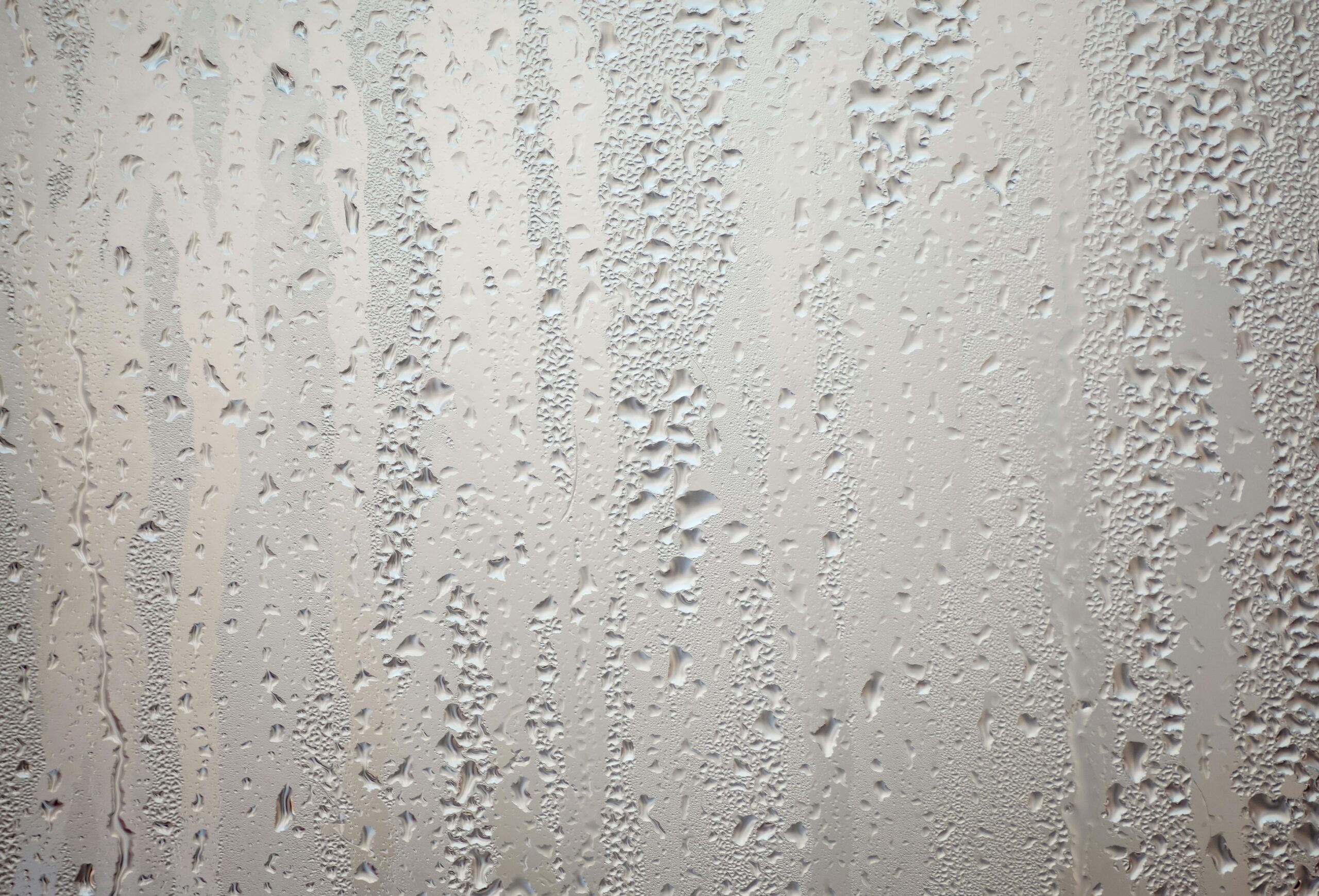
Dew formation occurs when surfaces cool below the air’s dew point temperature, typically during nighttime hours when radiative cooling is most pronounced. Fog harvesting, conversely, captures water from moving fog banks that collide with vertical or angled surfaces. Both phenomena share common surface design requirements: hydrophilic properties for initial capture and hydrophobic pathways for efficient drainage.
Biomimetic Approaches to Surface Engineering
Nature has perfected water harvesting over millions of years, providing engineers with remarkable templates. The Namib Desert beetle, perhaps the most famous example, features a bumpy shell with alternating hydrophilic and hydrophobic zones. Water droplets accumulate on hydrophilic bumps before rolling down hydrophobic channels toward the beetle’s mouth.
Researchers have translated this biological wisdom into synthetic materials with micropatterned surfaces. These engineered textures feature carefully calibrated wettability gradients that direct droplet movement predictably. Spider silk offers another compelling model, with its spindle-knot structure naturally collecting and channeling water through periodic geometric variations and surface chemistry differences.
Cactus plants demonstrate yet another strategy, using spine structures with directional barbs and grooves that guide water toward the plant base. The hierarchical structure creates a Laplace pressure gradient, propelling droplets along preferred pathways without requiring external energy input. Modern materials scientists are replicating these multi-scale architectures using advanced manufacturing techniques.
Key Biological Features Translated to Engineering
- Wettability gradients: Surfaces transition from water-attracting to water-repelling zones
- Micro and nano-scale texturing: Multiple structural levels enhance droplet nucleation and transport
- Directional transport mechanisms: Asymmetric features create preferential flow paths
- Self-cleaning properties: Superhydrophobic zones prevent clogging and contamination
- Energy-passive operation: Systems function without electricity or mechanical components
Material Selection for Optimal Performance 💧
Surface material choice profoundly impacts harvesting efficiency, durability, and economic viability. Traditional fog nets utilize polyolefin mesh, typically Raschel weave polyethylene or polypropylene, which offers reasonable collection rates at low cost. However, these materials suffer from limited lifespan and suboptimal surface chemistry for maximum water capture.
Advanced polymer coatings are transforming collection capabilities. Researchers have developed superhydrophilic-superhydrophobic pattern coatings that dramatically increase water throughput compared to unmodified meshes. These coatings can be applied to various substrate materials, including metals, polymers, and textiles, enabling retrofit applications to existing infrastructure.
Metal-based surfaces, particularly those incorporating copper or aluminum, provide excellent thermal properties for dew harvesting applications. Their high thermal conductivity accelerates surface cooling during nocturnal hours, promoting earlier and more extensive dew formation. Corrosion resistance becomes critical in maritime fog harvesting environments where salt exposure challenges material longevity.
| Material Type | Advantages | Challenges | Best Applications |
|---|---|---|---|
| Polymer Mesh | Low cost, lightweight, flexible | UV degradation, limited lifespan | Large-scale fog nets |
| Coated Textiles | Enhanced wettability control | Coating durability concerns | Optimized collection surfaces |
| Metal Surfaces | Thermal efficiency, durability | Higher cost, weight | Dew harvesting panels |
| Nanostructured Materials | Maximum efficiency gains | Expensive, scaling challenges | Research and specialty applications |
Surface Geometry and Architecture Optimization
Beyond material chemistry, the three-dimensional arrangement of collection surfaces fundamentally determines harvesting effectiveness. Mesh porosity represents a critical design parameter—too dense and airflow becomes restricted, too sparse and droplets pass through uncaptured. Research indicates optimal mesh shading coefficients between 30-50% for fog applications, balancing capture area with aerodynamic considerations.
Surface orientation relative to prevailing fog direction significantly affects collection rates. Vertical installations perpendicular to fog movement maximize interception but may suffer from drainage issues. Angled surfaces facilitate gravity-assisted drainage while potentially reducing effective capture area. Computational fluid dynamics modeling helps optimize these geometric tradeoffs for specific microclimates.
Multi-layer configurations offer promising efficiency improvements. Stacked mesh arrays with progressively finer spacing can capture droplets across wider size distributions, from large fog droplets to fine mist. However, increased structural complexity raises construction costs and maintenance requirements, necessitating careful cost-benefit analysis for each deployment context.
Emerging Architectural Innovations
Three-dimensional collection structures are challenging traditional flat-panel designs. Cylindrical and conical geometries provide omnidirectional fog capture, advantageous in locations with variable wind patterns. These configurations also demonstrate improved structural stability in high-wind conditions, reducing damage risks and maintenance frequency.
Modular and deployable systems represent another frontier, enabling rapid installation and seasonal adjustment. Folding architectures allow transport to remote locations and temporary deployments for emergency water supply. Integration with existing structures—buildings, telecommunications towers, agricultural installations—maximizes land-use efficiency and reduces infrastructure costs.
🔬 Nanotechnology and Advanced Surface Treatments
Nanotechnology has opened unprecedented possibilities for surface engineering at molecular scales. Nanostructured coatings create extreme wettability properties unattainable through conventional manufacturing. Superhydrophobic surfaces with contact angles exceeding 150 degrees enable near-frictionless droplet transport, minimizing retention and maximizing collection efficiency.
Hierarchical structures combining micro and nanoscale features outperform single-scale architectures. Microscale features provide droplet nucleation sites and initial capture, while nanoscale textures control contact mechanics and facilitate release. Manufacturing techniques including electrospinning, chemical vapor deposition, and laser etching enable precise control over multi-scale topographies.
Self-assembled monolayers offer another approach for tailoring surface chemistry without bulk material modification. These molecular-scale coatings can create precise wettability patterns with minimal material usage. Photocatalytic coatings incorporating titanium dioxide provide self-cleaning functionality, preventing biological fouling and maintaining long-term performance without manual intervention.
Stimuli-responsive surfaces represent cutting-edge research with transformative potential. Materials that switch between hydrophilic and hydrophobic states in response to temperature, light, or electrical signals could enable active droplet management. Such smart surfaces might optimize collection during fog events and facilitate complete drainage afterward, minimizing residual water loss to evaporation.
Environmental and Site-Specific Design Considerations ☁️
Successful fog and dew harvesting requires intimate understanding of local atmospheric conditions. Microclimate assessment identifies optimal installation sites, considering elevation, exposure, vegetation patterns, and seasonal variations. Meteorological data collection over extended periods reveals fog frequency, intensity, duration, and directional consistency—all critical design inputs.
Coastal fog differs substantially from orographic mountain fog in droplet size distribution, liquid water content, and wind characteristics. Coastal installations often encounter salt-laden moisture requiring corrosion-resistant materials and regular maintenance protocols. Mountain fog systems benefit from higher elevation cooling but face harsh weather exposure and accessibility challenges.
Biological considerations cannot be overlooked. Algae, bacteria, and fungi colonize moist surfaces, potentially degrading materials and reducing collection efficiency. Surface treatments incorporating antimicrobial agents extend maintenance intervals, though environmental compatibility requires careful evaluation. Regular cleaning schedules balance performance maintenance against labor costs and ecological impact.
Climate-Specific Design Adaptations
Desert environments present unique challenges and opportunities. Extreme temperature fluctuations between day and night enhance dew formation potential but stress materials through thermal cycling. Low ambient humidity limits fog occurrence but maximizes the value of captured water. UV exposure intensity necessitates materials with exceptional photostability or protective coatings.
Tropical and subtropical fog forests experience high humidity and biodiversity but also rapid biological surface colonization. Design priorities shift toward antimicrobial protection and frequent accessibility for maintenance. These regions often support fog-dependent ecosystems, requiring careful environmental impact assessment before large-scale harvesting implementation.
Integration with Sustainable Development Goals
Fog and dew harvesting aligns powerfully with multiple United Nations Sustainable Development Goals, particularly those addressing water security, poverty reduction, and climate action. Decentralized water production empowers rural and marginalized communities, reducing dependence on distant infrastructure and vulnerability to supply disruptions.
The technology’s minimal energy requirements make it inherently sustainable and accessible to off-grid communities. Unlike desalination or long-distance water transport, fog harvesting produces freshwater without significant carbon emissions or energy infrastructure. This characteristic proves especially valuable in developing regions where energy access remains limited.
Educational and capacity-building components accompany successful fog harvesting projects. Community involvement in system construction, maintenance, and management develops local technical skills while ensuring cultural appropriateness and long-term sustainability. Women often bear primary responsibility for water collection in water-scarce regions, making fog harvesting systems particularly impactful for gender equity.
Economic Viability and Cost-Effectiveness Analysis 💰
Economic assessment of fog harvesting systems requires consideration of both capital expenditure and operational costs across system lifespan. Basic fog net installations represent relatively modest investments, with materials costs ranging from $1-5 per square meter for standard mesh configurations. Advanced surface treatments and architectural optimizations increase upfront expenses but may deliver superior long-term value through enhanced efficiency and durability.
Water production costs per cubic meter vary substantially based on site conditions, with favorable locations achieving costs competitive with trucked water delivery. Systems in optimal microclimates can produce water at $0.50-2.00 per cubic meter, comparing favorably with alternative supplies in remote areas. Less favorable sites may see higher per-unit costs but still provide valuable supplemental supply and drought resilience.
Lifecycle analysis must account for maintenance requirements, replacement schedules, and performance degradation over time. Well-maintained systems can operate productively for 10-15 years, though mesh materials may require replacement every 5-7 years depending on environmental exposure. Labor costs for periodic cleaning and inspection represent ongoing operational expenses that vary with system accessibility and design complexity.
Future Directions and Research Frontiers 🚀
Artificial intelligence and machine learning are beginning to influence fog harvesting optimization. Predictive models based on atmospheric data can forecast collection potential, enabling proactive water management and storage planning. Sensor networks monitoring surface performance in real-time could identify maintenance needs before efficiency degradation becomes severe.
Materials science continues pushing performance boundaries. Researchers are exploring graphene-based coatings, metal-organic frameworks, and other advanced materials with exceptional water interaction properties. Programmable matter concepts envision surfaces that dynamically reconfigure their geometry or chemistry in response to changing conditions, maximizing capture across diverse weather scenarios.
Hybrid systems combining fog harvesting with other renewable water technologies show promise for enhanced reliability. Integration with atmospheric water generators, solar stills, or rainwater harvesting creates diversified supply portfolios resilient to seasonal variability. Such multi-technology approaches optimize land use while providing year-round water security.
Transforming Water Security Through Surface Innovation
The convergence of biomimetic design, advanced materials, and nanotechnology is revolutionizing atmospheric water harvesting. Surface engineering has emerged as the critical factor distinguishing marginal performance from highly efficient systems capable of meeting substantial community water needs. As climate change intensifies water stress globally, these innovations offer scalable, sustainable solutions accessible to the world’s most vulnerable populations.
Continued research investment and field deployment experience will refine design principles and reduce implementation costs. Collaboration between materials scientists, engineers, hydrologists, and communities ensures technologies remain technically robust while addressing real-world needs. The path toward maximizing efficiency through intelligent surface design promises to transform fog and dew from atmospheric curiosities into vital freshwater resources for millions.
Success ultimately depends on holistic approaches integrating technical excellence with social, economic, and environmental considerations. The most sophisticated surface design achieves little without appropriate site selection, community engagement, and sustainable maintenance frameworks. By combining cutting-edge material science with traditional knowledge and local participation, fog and dew harvesting can deliver transformative impacts for water-scarce regions worldwide.