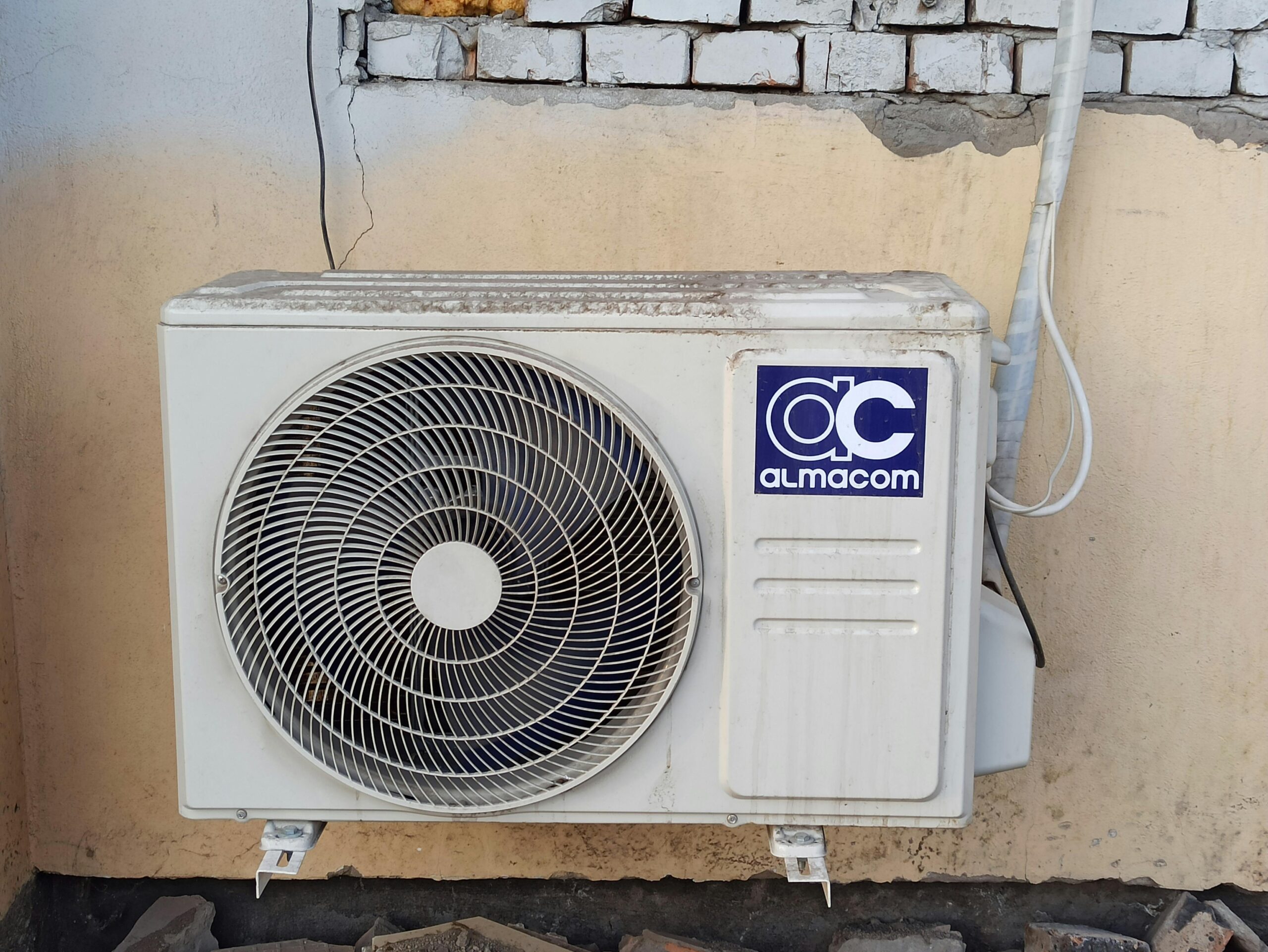
Water harvested from atmospheric sources offers a sustainable solution for communities worldwide, but ensuring its purity requires careful attention to collection, filtration, and storage practices.

🌧️ Understanding the Fundamentals of Harvested Moisture
Atmospheric water harvesting represents one of humanity’s oldest and most innovative approaches to securing fresh water supplies. From ancient civilizations collecting dew to modern atmospheric water generators, the principle remains constant: extracting moisture from air and condensation sources to meet daily hydration needs. However, the journey from collection to consumption demands rigorous quality control measures that many practitioners overlook.
The purity of harvested moisture depends heavily on environmental factors, collection methodology, and post-harvest treatment protocols. Unlike municipal water systems with standardized treatment facilities, harvested water quality varies significantly based on geographic location, air pollution levels, collection surface materials, and storage conditions. Understanding these variables forms the foundation for developing effective water quality management strategies.
Rainwater, fog collection, dew harvesting, and atmospheric water generation each present unique contamination risks and purification challenges. The source determines initial water quality, but subsequent handling practices ultimately determine whether the harvested moisture meets safe drinking water standards established by organizations like the World Health Organization and Environmental Protection Agency.
🔬 Identifying Common Contaminants in Atmospheric Water
Harvested atmospheric moisture begins relatively pure compared to surface water sources, yet it accumulates contaminants during collection and storage. Recognizing these pollutants helps implement targeted treatment strategies that address specific quality concerns rather than applying generic filtration approaches.
Biological Contaminants
Microorganisms represent the most immediate health threat in harvested water systems. Bacteria, viruses, protozoa, and algae colonize collection surfaces, storage tanks, and distribution pipes when conditions favor microbial growth. Bird droppings on collection roofs, insect debris, and airborne pathogens introduce biological contamination that multiplies rapidly in warm, stagnant water.
Biofilm formation on interior tank surfaces creates protected environments where harmful bacteria like E. coli, Legionella, and Salmonella thrive despite periodic cleaning efforts. These microbial communities resist standard disinfection protocols and require aggressive treatment approaches to eliminate completely.
Chemical Pollutants
Airborne industrial emissions, agricultural pesticides, and vehicle exhaust deposit chemical contaminants into atmospheric moisture before it reaches collection systems. Heavy metals including lead, mercury, and cadmium concentrate through atmospheric processes, particularly in urban and industrial areas where air quality remains compromised.
Collection surface materials contribute additional chemical contamination when roofing compounds, paints, sealants, and metal components leach substances into flowing water. Asphalt shingles release petroleum derivatives, copper roofing oxidizes and dissolves into runoff, and painted surfaces shed toxic compounds that accumulate in storage vessels.
Physical Impurities
Particulate matter ranging from dust and pollen to larger debris like leaves, insects, and animal waste enters harvested water systems through inadequate filtration at collection points. These physical contaminants reduce water clarity, harbor microorganisms, and compromise taste and odor characteristics that affect consumer acceptance.
💧 Implementing Pre-Collection Quality Measures
Preventing contamination proves more effective and economical than treating polluted water after collection. Strategic design choices and maintenance practices dramatically improve initial water quality before moisture enters storage systems.
Collection surface selection significantly impacts water purity levels. Metal roofing materials like stainless steel or aluminum provide non-porous surfaces that resist microbial colonization and minimize chemical leaching compared to asphalt shingles or wooden structures. Ceramic tiles offer excellent collection properties but require proper sealing to prevent contaminant absorption.
Regular cleaning schedules remove accumulated debris, biological growth, and chemical residues from collection surfaces before precipitation events. Quarterly inspections identify damaged areas where contaminants concentrate, allowing repairs that maintain system integrity and water quality standards.
First-flush diversion systems automatically discard initial rainfall that washes accumulated pollutants from collection surfaces. These devices redirect the first several gallons of each precipitation event away from storage tanks, significantly reducing contaminant loads entering the system. Properly calibrated first-flush mechanisms eliminate up to eighty percent of potential pollutants with minimal water waste.
🛡️ Selecting Appropriate Filtration Technologies
Multi-barrier filtration approaches provide comprehensive protection against diverse contaminant categories threatening harvested water quality. Combining mechanical, chemical, and biological treatment methods ensures redundancy when individual barriers underperform or fail.
Mechanical Filtration Systems
Sediment filters remove particulate matter through physical screening processes that trap particles larger than specified micron ratings. Progressively finer filtration stages beginning with coarse screens and advancing through fine mesh filters eliminate visible debris before water undergoes advanced treatment.
Cartridge filters containing pleated media capture particles down to one micron, removing most suspended solids, algae, and protozoan cysts. Regular replacement schedules prevent filter breakthrough where accumulated debris overwhelms filtration capacity and allows contaminants into treated water supplies.
Chemical Treatment Methods
Activated carbon filtration addresses chemical contaminants and organic compounds through adsorption processes that bind pollutants to porous carbon surfaces. Granular activated carbon effectively removes chlorine, pesticides, volatile organic compounds, and taste and odor causing substances that compromise water acceptability.
Ion exchange systems target specific dissolved minerals and heavy metals by substituting harmful ions with harmless alternatives. Water softening applications remove calcium and magnesium, while specialized resins extract lead, mercury, and arsenic from contaminated supplies.
Advanced Purification Technologies
Reverse osmosis systems force water through semi-permeable membranes that reject dissolved solids, microorganisms, and chemical contaminants while allowing pure water molecules to pass. These comprehensive treatment units remove up to ninety-nine percent of potential pollutants but generate significant wastewater and require pressurized delivery systems.
Ultraviolet disinfection exposes flowing water to germicidal wavelengths that destroy bacterial and viral pathogens without introducing chemical additives. UV systems provide final barrier protection immediately before consumption points, ensuring microbiological safety despite upstream contamination risks.
🧪 Establishing Water Testing Protocols
Regular water quality testing validates treatment effectiveness and identifies emerging contamination issues before they threaten consumer health. Comprehensive testing programs balance analytical costs against risk management priorities and regulatory compliance requirements.
Baseline testing establishes initial water quality parameters during system commissioning. Complete analyses measuring microbiological indicators, chemical constituents, and physical properties create reference points for tracking quality trends over time. Annual comprehensive testing verifies continued treatment effectiveness and detects gradual degradation requiring intervention.
Routine monitoring focuses on critical parameters indicating immediate health risks. Monthly bacterial testing for coliform organisms provides early warning of fecal contamination requiring immediate remediation. Quarterly pH, turbidity, and chlorine residual measurements verify treatment system functionality between comprehensive analyses.
Field test kits enable rapid assessment of key water quality indicators without laboratory analysis delays. Portable meters measuring pH, conductivity, and dissolved oxygen provide instant feedback on treatment performance. Colorimetric test strips detect chlorine, nitrates, and hardness levels using simple visual comparisons.
⚙️ Maintaining Storage System Integrity
Storage tanks concentrate harvested moisture for extended periods, creating conditions where initial water quality deteriorates without proper management practices. Tank design, materials, and maintenance procedures directly influence whether stored water remains safe for intended applications.
Opaque storage vessels prevent light penetration that stimulates algae growth and accelerates chemical degradation processes. Dark colored tanks or buried cisterns maintain water quality better than translucent containers exposed to sunlight. Proper tank sizing balances capacity needs against turnover rates, preventing stagnation that encourages microbial proliferation.
Food-grade materials approved for potable water contact prevent chemical leaching that contaminates stored supplies. Polyethylene, fiberglass, and stainless steel tanks meet safety standards when properly manufactured and maintained. Concrete cisterns require food-grade sealants that prevent lime dissolution and create smooth surfaces resisting biofilm formation.
Overflow and ventilation systems allow displacement air movement while excluding insects, small animals, and debris that introduce contamination. Screened vents with fine mesh prevent entry points for mosquitoes and other vectors while maintaining atmospheric pressure equilibrium. Overflow pipes with air gaps prevent backflow contamination from drainage systems.
Implementing Cleaning and Disinfection Schedules
Annual tank cleaning removes accumulated sediment, biofilm, and debris that degrade water quality despite continuous treatment. Complete drainage followed by mechanical scrubbing and high-pressure washing eliminates contaminant reservoirs before refilling with fresh harvested moisture.
Disinfection protocols using chlorine solutions or hydrogen peroxide sanitize tank interiors after cleaning. Properly dosed disinfectants achieve contact concentrations sufficient to destroy remaining microorganisms without creating harmful residuals in stored water. Thorough rinsing removes chemical residues before returning tanks to service.
🌡️ Monitoring Environmental Factors Affecting Quality
External environmental conditions influence harvested water quality through atmospheric deposition, temperature variations, and seasonal contamination patterns. Understanding these relationships enables proactive management strategies that maintain quality despite changing conditions.
Air quality monitoring reveals pollution episodes that compromise atmospheric moisture purity. Industrial emissions, wildfire smoke, and agricultural burning introduce elevated contaminant levels requiring enhanced treatment or temporary collection suspension during severe events. Local air quality indices provide guidance for operational decisions balancing water needs against contamination risks.
Temperature fluctuations affect microbial growth rates, chemical reaction kinetics, and physical property changes in stored water. Summer heat accelerates biological activity requiring increased disinfection vigilance, while winter freezing threatens system integrity and treatment effectiveness. Climate-appropriate designs and seasonal management adjustments maintain quality across temperature extremes.
Seasonal contamination patterns reflect agricultural activities, wildlife migrations, and weather phenomena introducing periodic quality challenges. Spring pollen increases particulate loads, autumn leaf fall overwhelms pre-filters, and winter ice formation concentrates dissolved constituents in remaining liquid water. Anticipating these cycles allows preventive measures that minimize quality impacts.
📊 Documenting Quality Management Activities
Systematic record keeping demonstrates regulatory compliance, tracks performance trends, and guides continuous improvement efforts. Comprehensive documentation provides evidence supporting water safety claims and identifies patterns requiring management attention.
| Documentation Category | Frequency | Key Information |
|---|---|---|
| Water Testing Results | Per Testing Schedule | Test dates, parameters measured, results, laboratory certifications |
| System Maintenance | Each Activity | Date, tasks completed, materials used, personnel responsible |
| Treatment Operations | Daily | Flow rates, treatment chemical doses, equipment status, observations |
| Inspection Reports | Monthly | Visual observations, damage noted, repairs needed, compliance issues |
Digital management systems streamline documentation processes and enable sophisticated analysis of historical data. Cloud-based platforms provide secure storage, automated reminders for scheduled activities, and reporting tools generating compliance documentation. Mobile applications facilitate field data collection, ensuring accurate real-time records without transcription delays.
🏆 Achieving Long-Term Water Quality Excellence
Sustained water quality requires organizational commitment extending beyond initial system installation. Developing competency through training, maintaining adequate resources, and fostering quality-focused culture ensures harvested moisture consistently meets safety standards and user expectations.
Operator training programs build technical knowledge and practical skills necessary for effective system management. Understanding water chemistry fundamentals, recognizing quality indicators, and applying troubleshooting methodologies empower personnel to identify and resolve emerging issues before they escalate into serious problems. Continuing education keeps operators current with evolving technologies and regulatory requirements.
Budget allocation for quality management activities demonstrates organizational prioritization of water safety. Adequate funding for testing, maintenance supplies, equipment replacement, and professional services prevents deferred maintenance and treatment shortcuts that compromise quality. Long-term financial planning anticipates major component replacements and system upgrades necessary for sustained performance.
Emergency response procedures prepare organizations for contamination events threatening water safety. Predefined action plans specify notification protocols, alternative water sources, remediation steps, and resumption criteria that minimize health risks during quality failures. Regular drills verify procedure effectiveness and personnel readiness for actual emergency scenarios.
🌍 Embracing Innovation in Harvested Water Management
Emerging technologies and management approaches continue advancing harvested water quality capabilities. Smart monitoring systems, novel treatment materials, and data-driven optimization strategies offer opportunities for enhanced performance and operational efficiency.
Real-time water quality sensors provide continuous monitoring of critical parameters, alerting operators to quality deviations requiring immediate attention. Automated systems adjust treatment chemical doses, activate backup disinfection units, or divert contaminated water based on sensor inputs. Machine learning algorithms identify subtle quality trends predicting equipment failures or contamination events before conventional monitoring detects problems.
Advanced materials including graphene filters, photocatalytic disinfection surfaces, and antimicrobial tank coatings enhance contamination resistance and treatment effectiveness. These innovations reduce chemical treatment requirements, extend maintenance intervals, and improve overall system sustainability while maintaining superior water quality.
Community knowledge sharing through professional networks, online forums, and regional associations accelerates collective learning and problem solving. Practitioners benefit from shared experiences identifying effective practices, avoiding common pitfalls, and adapting solutions across diverse operating environments. Collaborative approaches elevate industry standards and promote universal access to safe harvested water.

💪 Your Path to Pure Harvested Water
Achieving optimal water quality from harvested atmospheric moisture combines sound technical practices with vigilant operational management and continuous improvement mindsets. Every component from collection surface selection through final consumption point protection contributes to comprehensive quality assurance.
Begin your quality journey by assessing current practices against established best practices and regulatory requirements. Identify gaps requiring attention and prioritize improvements based on health risk reduction potential. Implement changes systematically, validating effectiveness through testing before advancing to subsequent enhancements.
Remember that water quality management represents ongoing commitment rather than one-time achievement. Environmental conditions change, equipment ages, and contaminant sources evolve, requiring adaptive management approaches that maintain safety despite dynamic challenges. Regular evaluation and adjustment ensure harvested moisture continues meeting your purity needs throughout system lifecycle.
The investment in proper water quality management returns dividends through protected health, regulatory compliance confidence, and sustainable resource utilization. Pure harvested water becomes achievable reality when technical knowledge combines with operational discipline and unwavering commitment to excellence. Your dedication to quality principles ensures every drop of harvested moisture meets the highest purity standards, supporting community wellbeing and environmental stewardship for generations ahead.