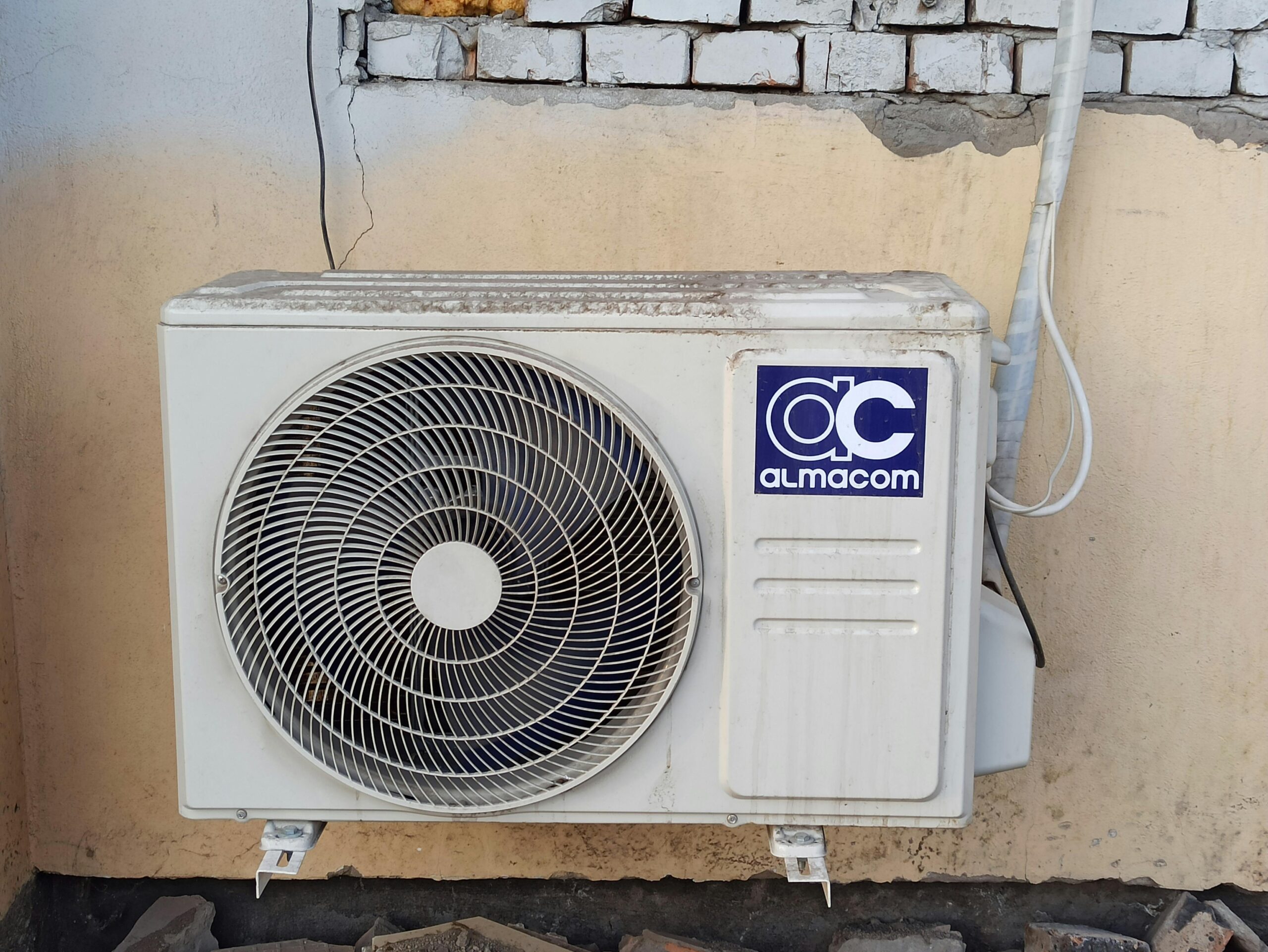
Integrating Atmospheric Water Harvesting (AWH) technology with existing water infrastructure represents a breakthrough opportunity for municipalities, industries, and communities seeking sustainable water solutions in an era of increasing scarcity.

🌊 Understanding the Water Challenge We Face Today
Water scarcity has emerged as one of the most pressing challenges of the 21st century. With climate change intensifying droughts, growing populations straining resources, and aging infrastructure failing to meet demand, traditional water supply systems are reaching their limits. The World Health Organization estimates that by 2025, half of the world’s population will be living in water-stressed areas.
Atmospheric Water Harvesting presents an innovative solution by extracting moisture directly from the air, transforming humidity into potable water. Rather than replacing existing infrastructure, AWH technology works best when strategically integrated into current water management systems, creating a hybrid approach that maximizes efficiency and resilience.
What Makes AWH Integration a Game-Changer
The true power of AWH lies not in its standalone capabilities but in how seamlessly it complements traditional water sources. When properly integrated, AWH systems function as a supplementary water generation method that reduces strain on conventional infrastructure while providing emergency backup during shortages or contamination events.
Modern AWH technologies utilize advanced condensation principles, thermoelectric cooling, or desiccant materials to capture water vapor from ambient air. These systems can operate independently of ground or surface water sources, making them particularly valuable in regions where traditional water supplies are unreliable or depleted.
The Technical Advantages of Hybrid Water Systems
Integrating AWH with existing infrastructure creates multiple technical benefits. First, it diversifies water sources, reducing dependency on any single supply method. Second, it provides decentralized water generation that minimizes distribution losses and reduces energy consumption associated with long-distance water transportation.
AWH systems can be scaled according to specific needs, from small residential units producing 20-30 liters daily to industrial installations generating thousands of liters. This scalability allows for strategic placement throughout existing water networks, addressing localized demand spikes without overhauling entire systems.
💡 Strategic Integration Points Within Current Infrastructure
Successful AWH integration requires identifying optimal connection points within existing water management systems. Distribution networks, storage facilities, and treatment plants each offer unique opportunities for incorporating atmospheric water generation.
Distribution Network Enhancement
Installing AWH units at strategic points throughout distribution networks creates localized water generation that supplements main supply lines. This approach reduces pressure on aging pipes, minimizes leakage losses, and ensures continued service during main line failures or maintenance periods.
Municipal water managers can position AWH systems in neighborhoods experiencing frequent low-pressure issues or at the periphery of service areas where pipe extensions would be prohibitively expensive. The generated water integrates directly into local distribution loops, improving service quality without massive infrastructure investments.
Storage and Buffering Capacity
AWH systems paired with existing storage tanks create dynamic buffering capacity that responds to demand fluctuations. During low-demand periods, AWH units continuously generate water that fills reserve tanks. When demand peaks, these reserves supplement primary sources, preventing shortages and maintaining consistent pressure.
This integration approach proves particularly valuable for facilities like hospitals, schools, and emergency services that require guaranteed water availability. AWH-enhanced storage ensures continuity even when main supplies face disruptions.
Economic Benefits That Transform Water Management Budgets
While initial AWH investment requires capital expenditure, the long-term economic benefits of integration substantially outweigh costs. Reduced infrastructure expansion needs, lower energy consumption, and decreased water purchasing expenses create compelling financial arguments for hybrid systems.
Avoiding Expensive Infrastructure Expansion
Traditional approaches to increased water demand typically require expanding treatment plants, drilling new wells, or constructing additional pipelines—projects costing millions. AWH integration provides incremental capacity increases at fraction of these costs, allowing utilities to defer or avoid major capital projects.
For growing communities, this means accommodating population increases without the financial burden of traditional expansion. The modular nature of AWH technology enables capacity additions that precisely match demand growth, eliminating the waste associated with overbuilt infrastructure.
Energy Efficiency Through Distributed Generation
Centralized water systems consume enormous energy pumping water across long distances and to elevated areas. AWH units placed near points of use eliminate these transportation energy requirements. When powered by renewable energy sources like solar panels, AWH systems approach carbon-neutral operation.
Studies demonstrate that hybrid systems incorporating local AWH generation can reduce overall water utility energy consumption by 15-30%, translating to significant operational cost savings and reduced carbon footprints.
🔧 Technical Implementation Strategies for Seamless Integration
Successful AWH integration requires careful planning, proper equipment selection, and strategic implementation approaches that minimize disruption while maximizing benefits.
Assessment and Planning Phase
Begin with comprehensive assessment of existing infrastructure, identifying capacity constraints, maintenance challenges, and areas of highest demand. Water quality testing, pressure monitoring, and consumption pattern analysis provide baseline data for determining optimal AWH placement and sizing.
Climate data review is equally critical, as AWH efficiency varies with humidity levels, temperature, and atmospheric conditions. Regions with moderate to high humidity offer ideal conditions, while arid areas may require supplementary technologies or hybrid approaches combining AWH with other alternative sources.
Equipment Selection and Sizing
AWH technologies range from small-scale residential units to industrial systems capable of producing thousands of gallons daily. Selecting appropriate equipment requires matching generation capacity to local demand while considering space constraints, energy availability, and integration points with existing infrastructure.
Modern AWH systems offer various technologies including refrigeration-based condensation, thermoelectric cooling, and advanced desiccant materials. Each approach presents distinct advantages depending on climate conditions, energy costs, and water quality requirements.
Water Quality and Treatment Considerations
AWH-generated water typically exhibits high purity, as the condensation process naturally filters out many contaminants present in ground or surface sources. However, proper integration requires ensuring water quality consistency across all sources feeding into distribution systems.
Blending and Quality Management
Mixing AWH-generated water with traditional sources requires monitoring mineral content, pH levels, and dissolved solids to maintain consistent quality throughout the distribution network. Treatment systems can adjust AWH water chemistry to match existing supply characteristics, ensuring seamless integration that meets all regulatory standards.
In some applications, the superior purity of AWH water provides opportunities to improve overall system quality, particularly in areas where traditional sources contain elevated contaminant levels or require extensive treatment.
🌍 Environmental Impact and Sustainability Advantages
Beyond operational benefits, AWH integration delivers substantial environmental advantages that align with sustainability goals and climate action commitments.
Reducing Ground and Surface Water Extraction
Every liter generated through AWH represents water that doesn’t need extraction from aquifers, rivers, or lakes. This reduction helps preserve ecosystems, maintain aquifer levels, and protect water bodies from over-exploitation. In water-stressed regions, even modest AWH contributions significantly impact ecological preservation.
Environmental impact assessments consistently show that hybrid systems incorporating AWH reduce stress on natural water sources by 10-40%, depending on AWH penetration levels and local conditions.
Climate Resilience and Adaptation
As climate change intensifies weather variability, water infrastructure faces increasing vulnerability to droughts, floods, and contamination events. AWH integration builds resilience by diversifying supply sources and providing alternatives when traditional sources face climate-related disruptions.
Communities with integrated AWH systems demonstrate greater capacity to maintain water service during extended droughts, as atmospheric moisture remains available even when surface and ground sources diminish.
Real-World Applications Demonstrating Success
Numerous municipalities, industrial facilities, and community projects worldwide have successfully integrated AWH technology, providing valuable lessons and demonstrating achievable benefits.
Municipal Integration Examples
Several forward-thinking cities have incorporated AWH into public water systems. These projects typically begin with pilot installations at critical facilities like fire stations, schools, or community centers, demonstrating feasibility before broader deployment.
Data from these implementations shows average cost reductions of 20-35% compared to traditional capacity expansion approaches, with additional benefits including improved service reliability and enhanced emergency preparedness.
Industrial and Commercial Applications
Manufacturing facilities, hotels, and commercial complexes increasingly adopt AWH integration to reduce municipal water consumption, lower costs, and enhance sustainability profiles. These applications often achieve return on investment within 3-7 years through reduced water purchasing, lower wastewater fees, and operational efficiency gains.
⚙️ Overcoming Implementation Challenges
Despite clear benefits, AWH integration faces certain challenges requiring proactive management and strategic solutions.
Initial Investment and Financing
Capital costs for AWH systems represent the primary implementation barrier. However, innovative financing approaches including green bonds, utility incentive programs, and public-private partnerships increasingly provide accessible funding mechanisms.
Life-cycle cost analysis consistently demonstrates positive returns when considering avoided infrastructure expansion, reduced operational expenses, and environmental benefits. Many jurisdictions now offer grants or low-interest loans specifically supporting alternative water technology adoption.
Regulatory and Permitting Considerations
Water quality regulations and building codes may not explicitly address AWH technology, creating potential permitting uncertainties. Proactive engagement with regulatory authorities, providing comprehensive water quality data, and demonstrating compliance with existing standards facilitates approval processes.
Industry associations and technology providers increasingly offer guidance documents and regulatory support resources that streamline permitting and ensure installations meet all applicable requirements.
Future Developments Enhancing Integration Potential
AWH technology continues advancing rapidly, with innovations improving efficiency, reducing costs, and expanding applicability across diverse climates and applications.
Next-Generation Technologies
Emerging AWH systems incorporate artificial intelligence for optimized operation, advanced materials improving water capture efficiency, and hybrid designs combining multiple extraction methods for maximum output across varying conditions.
Research developments promise 30-50% efficiency improvements within the next five years, making AWH integration economically viable across broader geographic areas and climate zones.
Smart Grid Integration
Future AWH systems will integrate with smart water grids, automatically adjusting production based on real-time demand, energy pricing, and atmospheric conditions. This intelligent operation maximizes efficiency while minimizing costs and environmental impact.
🚀 Taking the First Steps Toward Integration
Organizations interested in AWH integration should begin with pilot projects that demonstrate feasibility while building expertise and stakeholder confidence.
Start by conducting feasibility studies assessing climate conditions, infrastructure characteristics, and potential integration points. Engage stakeholders including utility managers, engineers, regulators, and community members early in the planning process to address concerns and build support.
Consider phased implementation beginning with non-critical applications, allowing operational experience development before expanding to essential services. This approach minimizes risk while demonstrating value that justifies broader deployment.

Building a Water-Secure Future Through Innovation
The integration of AWH technology with existing water infrastructure represents more than technological advancement—it embodies a fundamental shift toward resilient, sustainable water management that protects communities against increasing uncertainty.
As water challenges intensify globally, hybrid approaches combining traditional infrastructure with innovative generation methods like AWH will become standard practice rather than experimental alternatives. Early adopters position themselves advantageously, developing expertise and infrastructure that provides long-term competitive and operational advantages.
The question facing water managers today is not whether to integrate alternative technologies, but how quickly and strategically to implement solutions that ensure reliable, sustainable water supplies for generations to come. AWH integration offers a proven pathway toward that future, delivering economic, environmental, and social benefits that transform water management from reactive problem-solving to proactive resilience building.
Organizations embracing this integration opportunity today will lead the water sector tomorrow, demonstrating that innovation and pragmatism combine to create systems that serve communities reliably while protecting the precious resources upon which all life depends.