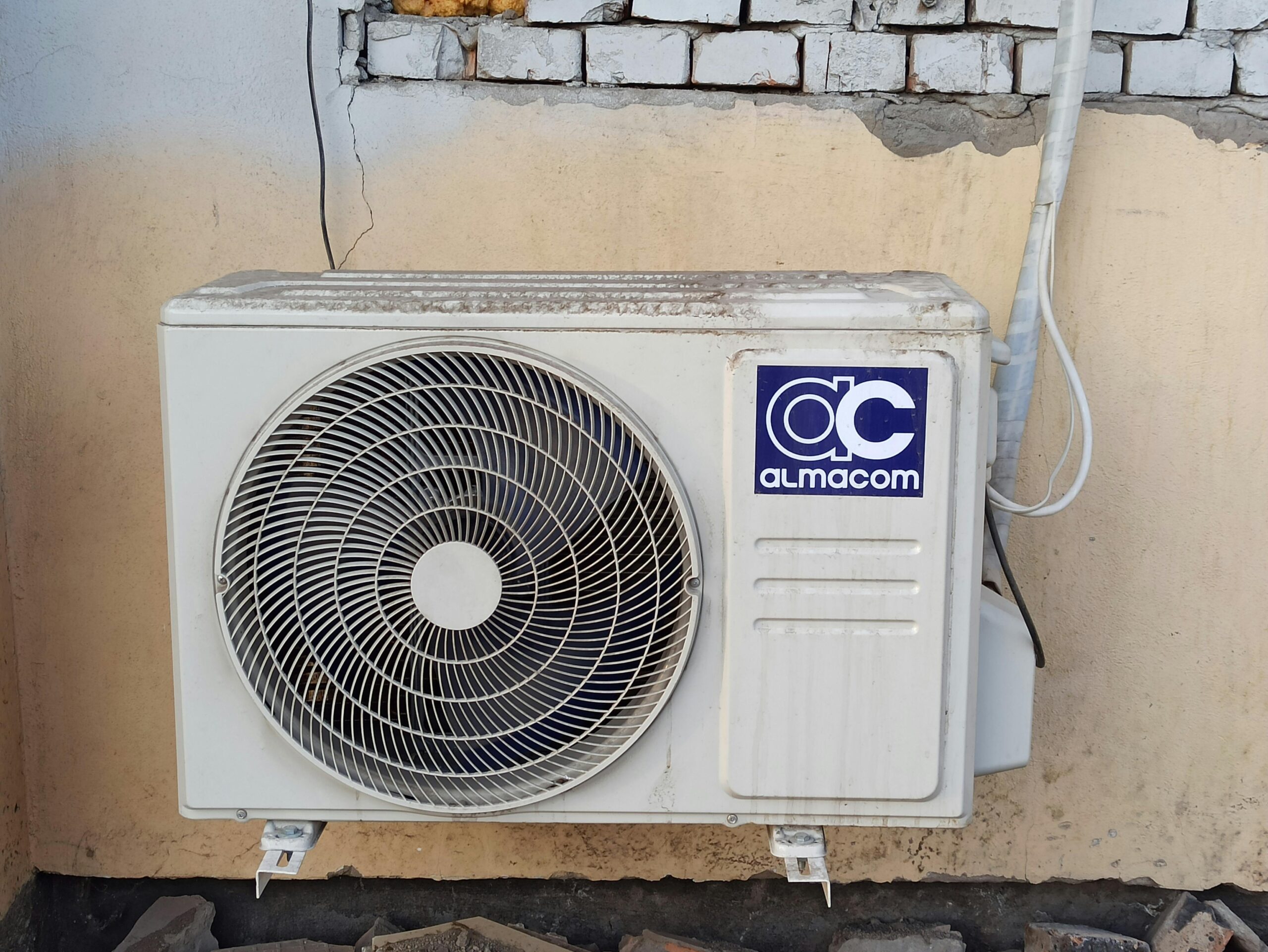
Selecting the right refrigerant is crucial for maintaining safe, efficient, and environmentally responsible condensation systems in modern HVAC applications.

🌡️ Understanding the Critical Role of Refrigerants in Condensation Systems
Refrigerants serve as the lifeblood of condensation systems, transferring heat from one location to another through continuous phase changes. These specialized fluids absorb heat during evaporation and release it during condensation, making climate control possible in residential, commercial, and industrial settings. The choice of refrigerant directly impacts system performance, energy consumption, maintenance requirements, and environmental footprint.
Modern condensation systems face unprecedented challenges as regulatory bodies worldwide phase out harmful substances that deplete the ozone layer or contribute significantly to global warming. Engineers, technicians, and facility managers must navigate complex decisions balancing performance requirements with environmental responsibilities and budget constraints.
The refrigerant selection process extends far beyond simple technical specifications. It encompasses long-term operational costs, safety considerations for building occupants and maintenance personnel, compliance with evolving regulations, and compatibility with existing infrastructure. Understanding these multifaceted considerations ensures optimal system performance throughout its operational lifetime.
The Evolution of Refrigerant Technology Over Decades
Refrigerant development has progressed through distinct generations, each responding to technological advances and environmental awareness. Chlorofluorocarbons (CFCs) dominated early systems until scientists discovered their devastating impact on stratospheric ozone. The Montreal Protocol initiated a global phase-out that reshaped the entire industry.
Hydrochlorofluorocarbons (HCFCs) emerged as transitional solutions, offering reduced ozone depletion potential while maintaining acceptable performance characteristics. However, their significant global warming potential prompted further regulatory action, leading to accelerated phase-down schedules across most developed nations.
Hydrofluorocarbons (HFCs) became the industry standard for decades, eliminating ozone depletion concerns while delivering reliable performance. Despite their environmental advantages over predecessors, HFCs possess high global warming potential, triggering the Kigali Amendment and spurring development of fourth-generation alternatives.
⚡ Key Performance Characteristics That Define Refrigerant Effectiveness
Thermodynamic properties determine how efficiently a refrigerant transfers heat within condensation systems. Optimal refrigerants exhibit favorable pressure-temperature relationships, high latent heat of vaporization, and appropriate boiling points for intended applications. These characteristics directly influence compressor size, energy consumption, and overall system efficiency.
Volumetric cooling capacity affects equipment sizing and capital costs. Refrigerants with higher volumetric capacity require smaller compressors and heat exchangers, reducing initial investment and installation complexity. However, this must be balanced against other performance factors and safety considerations.
Energy efficiency ratio (EER) and seasonal energy efficiency ratio (SEER) measurements quantify operational efficiency across different refrigerants. Higher values indicate better performance, translating to reduced electricity consumption and lower operating costs over the system’s lifespan. These metrics become increasingly important as energy prices rise and sustainability goals tighten.
Pressure-Temperature Relationships and System Design
The correlation between pressure and temperature fundamentally shapes system design parameters. Low-pressure refrigerants simplify component selection and reduce leak risks but may require larger equipment. High-pressure refrigerants enable compact designs but demand robust components rated for elevated stress levels, increasing costs and potential safety concerns.
Operating pressures influence leak detection strategies, containment requirements, and maintenance protocols. Systems using high-pressure refrigerants require more frequent inspections and specialized detection equipment to identify leaks before significant losses occur. This ongoing vigilance adds to operational expenses but prevents costly refrigerant replacement and environmental releases.
🛡️ Safety Considerations for Different Refrigerant Classes
ASHRAE Standard 34 classifies refrigerants according to toxicity and flammability characteristics, providing essential guidance for safe application. Class A refrigerants exhibit lower toxicity, while Class B substances require additional precautions. Flammability ratings range from 1 (no flame propagation) to 3 (higher flammability), with intermediate classifications denoting varying ignition risks.
Flammable refrigerants demand comprehensive safety measures including enhanced ventilation, ignition source elimination, specialized leak detection systems, and personnel training. While these natural refrigerants offer environmental benefits, their flammability characteristics limit suitable applications and increase installation complexity.
Toxicity concerns arise primarily with ammonia and certain hydrocarbon refrigerants. Ammonia’s pungent odor provides inherent leak detection but requires immediate evacuation at elevated concentrations. Proper ventilation design, emergency response protocols, and personal protective equipment become critical in facilities using potentially hazardous refrigerants.
Occupancy and Application-Specific Safety Requirements
Building codes and safety standards impose varying restrictions based on occupancy type and refrigerant quantity. Residential applications face stricter limitations on flammable refrigerants compared to industrial facilities with trained personnel and enhanced safety infrastructure. Understanding these regulatory requirements prevents costly compliance issues and protects building occupants.
Mechanical room placement, refrigerant charge limits, and detection system requirements vary significantly across jurisdictions. Local authorities having jurisdiction (AHJ) interpret national codes differently, necessitating early consultation during system design. This proactive approach identifies potential obstacles before equipment procurement and installation commence.
Environmental Impact and Regulatory Landscape 🌍
Global Warming Potential (GWP) quantifies a refrigerant’s contribution to climate change relative to carbon dioxide over a specified timeframe. Lower GWP refrigerants minimize environmental impact, aligning with international climate commitments and increasingly stringent regulations. This metric has become the primary driver of refrigerant selection in recent years.
Ozone Depletion Potential (ODP) measures stratospheric ozone layer damage, though modern refrigerants typically possess zero ODP. Legacy systems still circulating CFCs and HCFCs require careful management during servicing and eventual replacement to prevent atmospheric releases of these harmful substances.
The Kigali Amendment to the Montreal Protocol establishes binding phase-down schedules for HFCs across signatory nations. These progressive reductions create market pressure favoring low-GWP alternatives while gradually restricting availability of high-GWP refrigerants. Compliance requires forward-thinking refrigerant strategies that anticipate future restrictions.
Regional Regulatory Variations and Compliance Strategies
European F-Gas regulations impose aggressive HFC reduction targets, driving rapid adoption of natural refrigerants and synthetic alternatives with GWP below 150. These stringent requirements exceed global baselines, creating technology disparities across regions and influencing international equipment availability.
North American regulations follow different timelines and approaches, with variations between the United States, Canada, and Mexico. The EPA’s SNAP program evaluates refrigerant alternatives for specific applications, periodically updating acceptable options as new substances undergo safety and environmental assessment.
Developing nations receive extended compliance deadlines under differentiated responsibilities provisions, though many voluntarily accelerate transitions to access climate financing and technology transfer programs. This creates diverse global markets with varying refrigerant availability and pricing structures.
💡 Comparing Popular Refrigerant Options for Condensation Systems
R-410A became the dominant residential and light commercial refrigerant following R-22 phase-out, offering improved efficiency and zero ozone depletion. However, its GWP of 2,088 positions it for eventual replacement under evolving regulations. Existing R-410A systems continue operating effectively, but new installations increasingly favor lower-GWP alternatives.
R-32 emerges as a promising successor with GWP of 675, representing a 68% reduction compared to R-410A while maintaining comparable performance characteristics. Its mild flammability (A2L classification) requires modified safety protocols but remains manageable in most applications. Growing adoption across Asia and Europe demonstrates market acceptance.
R-454B and R-452B represent non-flammable and low-flammability blends respectively, designed as near drop-in replacements for R-410A systems. These transitional refrigerants enable equipment manufacturers to meet intermediate regulatory targets while continuing development of ultra-low-GWP solutions.
Natural Refrigerants Gaining Market Momentum
Ammonia (R-717) offers zero GWP, excellent thermodynamic properties, and widespread industrial application despite toxicity and flammability concerns. Large-scale cold storage, food processing, and industrial refrigeration leverage ammonia’s efficiency advantages, supported by decades of accumulated safety expertise and established handling protocols.
Carbon dioxide (R-744) transcends applications in heat pump systems, particularly for water heating and cold climate space conditioning. Its very low GWP (1) and non-toxic, non-flammable characteristics make CO2 attractive despite high operating pressures requiring specialized components. Transcritical CO2 systems demonstrate impressive efficiency in appropriate climates.
Hydrocarbon refrigerants including propane (R-290) and isobutane (R-600a) deliver exceptional environmental profiles with negligible GWP. Their flammability restricts charge quantities in certain applications, though innovative system designs with reduced refrigerant volumes expand feasibility. European markets embrace hydrocarbons more readily than North American counterparts.
🔧 Retrofit and Replacement Considerations
Existing systems approaching end-of-life require careful evaluation of refrigerant options when planning replacements. While continuing operation with original refrigerants remains viable during equipment lifespan, eventual replacement provides opportunities to adopt more sustainable technologies aligned with long-term regulatory trajectories.
Drop-in and retrofit refrigerants claim compatibility with existing equipment, potentially extending system life without complete replacement. However, these solutions often compromise performance, require lubricant changes, and may void manufacturer warranties. Thorough analysis comparing retrofit costs against new equipment benefits informs economically sound decisions.
Reclaimed and recycled refrigerants support circular economy principles while reducing environmental impact. Proper recovery during system decommissioning prevents atmospheric releases and supplies material for continued service of legacy equipment. As virgin production declines for phased-out substances, reclaimed refrigerant markets gain importance.
Cost-Benefit Analysis for System Upgrades
Refrigerant costs fluctuate based on regulatory phase-downs, production capacity, and market demand. High-GWP refrigerants facing restrictions experience price volatility and potential supply constraints. Forward-looking financial analyses account for these trends when evaluating long-term operating expenses.
Energy efficiency improvements in newer equipment often justify replacement beyond refrigerant considerations. Condensation systems incorporating advanced controls, variable-speed compressors, and optimized heat exchangers deliver substantial energy savings that offset higher initial costs through reduced electricity consumption.
Total cost of ownership encompasses purchase price, installation expenses, energy consumption, maintenance requirements, and eventual disposal. Comprehensive evaluation over expected equipment lifespan reveals true economic implications of different refrigerant choices, sometimes contradicting assumptions based solely on initial acquisition costs.
🎯 Matching Refrigerants to Specific Applications
Residential air conditioning prioritizes safety, efficiency, and cost-effectiveness within compact equipment packages. R-32 and low-GWP blends gain traction as manufacturers redesign platforms accommodating A2L refrigerants while maintaining familiar installation practices. Consumer acceptance depends on demonstrated reliability and uncompromising comfort delivery.
Commercial refrigeration demands diverse solutions across different temperature ranges and display configurations. Centralized systems increasingly adopt natural refrigerants like CO2 and ammonia, while distributed architectures explore hydrocarbon and HFO options. Food safety requirements mandate reliable temperature maintenance regardless of refrigerant selection.
Industrial process cooling applications evaluate refrigerants based on specific temperature requirements, load characteristics, and integration with broader facility systems. Large capacities favor efficient refrigerants with proven reliability, even if environmental profiles lag emerging alternatives. Operational continuity often outweighs other considerations in critical manufacturing processes.
Climate-Specific Performance Optimization
Ambient temperature ranges dramatically affect refrigerant performance and appropriate selection. Hot climates demand refrigerants maintaining efficiency at elevated condensing temperatures, while cold environments require substances with adequate pressure ratios during heating mode operation. Regional climate patterns influence optimal choices.
Humidity levels impact latent cooling loads and dehumidification requirements, affecting refrigerant circuit design and control strategies. Coastal and tropical locations face different operational challenges than arid regions, necessitating tailored approaches that account for local environmental conditions throughout annual cycles.
Future-Proofing Your Condensation System Investment 🚀
Anticipating regulatory evolution guides refrigerant selection toward sustainable long-term solutions. Equipment installed today operates for 15-25 years, spanning multiple regulatory phases and potential refrigerant transitions. Choosing refrigerants aligned with long-term policy directions minimizes obsolescence risks and future retrofit requirements.
Emerging refrigerant technologies continue advancing, with ongoing development of ultra-low-GWP substances possessing improved safety profiles. Monitoring industry research and pilot programs reveals promising alternatives that may eventually supplant current solutions. Staying informed enables timely adoption as technologies mature and gain regulatory approval.
Equipment manufacturers invest heavily in next-generation platforms optimized for sustainable refrigerants. Understanding their product roadmaps and technology strategies helps align facility upgrade cycles with equipment availability. Partnerships with forward-thinking manufacturers provide access to cutting-edge solutions and technical support during transitions.
Making Your Final Refrigerant Selection Decision 🎓
Successful refrigerant selection balances immediate performance requirements with long-term sustainability goals, safety obligations, and financial constraints. No universal solution exists; optimal choices depend on specific application parameters, local regulations, organizational priorities, and risk tolerance. Comprehensive evaluation frameworks considering all relevant factors guide sound decisions.
Engaging qualified professionals with expertise in modern refrigerants and system design ensures proper implementation. HVAC contractors familiar with alternative refrigerants, updated safety protocols, and evolving codes deliver installations meeting technical and regulatory requirements. Their experience navigates complexities that inexperienced practitioners might overlook.
Documentation and record-keeping establish accountability and support future maintenance. Recording refrigerant type, charge quantities, installation dates, and service history creates valuable information for building operators and subsequent technicians. This diligence facilitates efficient troubleshooting and informed decision-making throughout system lifespan.
The refrigerant landscape continues evolving as technology advances and environmental awareness deepens. Today’s careful selection establishes a foundation for reliable, efficient, and responsible condensation system operation well into the future. Investing time in thorough evaluation and expert consultation pays dividends through optimized performance, regulatory compliance, and minimized environmental impact across decades of service.