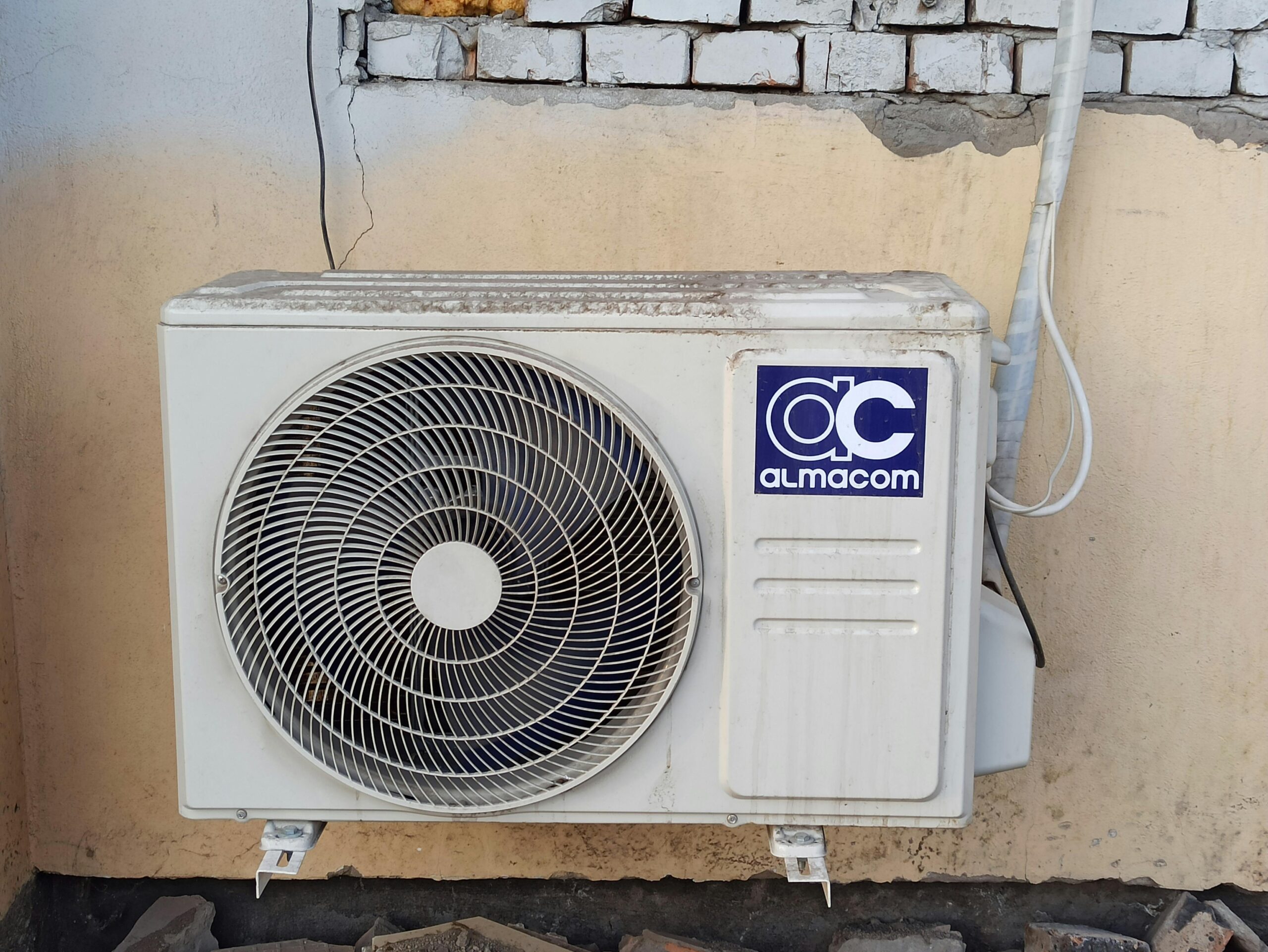
The condenser revolution is reshaping how we think about energy efficiency, water management, and sustainable living across residential, commercial, and community scales worldwide.

🌍 Understanding the Condenser Revolution
Condensers have evolved dramatically from simple mechanical devices into sophisticated systems that capture, convert, and redistribute resources with unprecedented efficiency. This transformation represents more than technological advancement—it’s a fundamental shift in how communities approach resource management and sustainability.
Traditional condenser systems operated in isolation, serving individual buildings or small facilities. Today’s revolution encompasses integrated networks that serve entire neighborhoods, industrial parks, and even cities. The scale and scope of modern condenser technology have expanded exponentially, driven by climate concerns, resource scarcity, and innovations in materials science.
The efficiency gains from this revolution are staggering. Where older systems might operate at 60-70% efficiency, modern community-scale condensers regularly achieve 90% or higher. This leap forward translates directly into reduced energy consumption, lower operating costs, and significantly diminished environmental impact.
⚙️ Small-Scale Systems: The Foundation of Innovation
Small-scale condenser systems remain the testing ground for breakthrough technologies. Residential units, compact commercial installations, and portable devices continue pushing the boundaries of what’s possible in condensation technology.
Modern residential condensers integrate seamlessly with smart home systems, adjusting operation based on occupancy, weather patterns, and energy pricing. These intelligent units learn household patterns, optimizing performance while minimizing energy draw. The result is comfort and efficiency that would have seemed impossible just a decade ago.
Key Advantages of Small-Scale Systems
- Lower initial investment costs making adoption accessible
- Easier installation and maintenance procedures
- Rapid technological updates and upgrades
- Customizable to specific household or business needs
- Ideal for testing new efficiency protocols
- Perfect for remote or off-grid applications
The portability of small-scale systems has opened entirely new applications. Emergency response teams deploy mobile condensers for disaster relief. Agricultural operations use compact units for irrigation optimization. Remote research stations rely on miniaturized condensers for water generation in extreme environments.
🏘️ Community-Scale Integration: The Game Changer
The true revolution emerges when individual systems connect into community networks. These integrated installations create synergies impossible with isolated units, multiplying efficiency gains through intelligent coordination and resource sharing.
Community condenser systems operate on principles similar to district heating and cooling, but with far greater sophistication. Central processing facilities work in concert with distributed collection points, creating a resilient network that adapts to changing demands and conditions in real-time.
These networks leverage the diversity of community needs to optimize overall performance. When one building requires cooling, another might need heating. The condenser network facilitates heat transfer between facilities, capturing energy that would otherwise be wasted and redirecting it where needed most.
Economic Benefits of Community Systems
The economics of community-scale condensers are compelling. Shared infrastructure dramatically reduces per-unit costs. Maintenance becomes centralized and more efficient. Bulk energy purchasing provides additional savings. The investment payback period for community systems typically ranges from 5-8 years, with operational lifespans exceeding 30 years.
| System Scale | Initial Cost per Unit | Operating Efficiency | Maintenance Cost | Payback Period |
|---|---|---|---|---|
| Single Residential | $3,000-$8,000 | 75-85% | High | 8-12 years |
| Small Commercial | $15,000-$40,000 | 80-88% | Medium-High | 6-10 years |
| Community Network | $2,000-$5,000 | 88-95% | Low-Medium | 5-8 years |
💧 Water Generation and Management Applications
One of the most transformative applications of condenser technology addresses global water scarcity. Atmospheric water generators use advanced condensation principles to extract moisture from air, producing clean drinking water without traditional water sources.
Community-scale atmospheric water generation systems are revolutionizing water security in arid regions. These installations can produce thousands of liters daily, providing reliable water supplies independent of rainfall, groundwater, or municipal infrastructure.
The quality of condenser-generated water often exceeds that of traditional sources. The condensation process naturally filters contaminants, producing pure water that requires minimal additional treatment. This inherent purification reduces chemical usage and simplifies water management protocols.
Humidity Management and Climate Control
Beyond water generation, condensers play crucial roles in humidity control and climate management. Industrial facilities use precision condensers to maintain optimal conditions for manufacturing processes. Agricultural applications regulate greenhouse environments, maximizing crop yields while minimizing water consumption.
Data centers represent another critical application area. These facilities generate enormous heat loads requiring constant cooling. Advanced condenser systems capture waste heat while managing humidity, dramatically improving energy efficiency in an industry facing increasing scrutiny over environmental impact.
🔋 Energy Recovery and Thermal Management
The condenser revolution intersects powerfully with broader energy efficiency movements. Modern systems don’t merely move heat—they harvest it, store it, and redistribute it intelligently across networks.
Thermal energy storage integrated with condenser systems allows communities to shift energy usage patterns, storing excess capacity during off-peak hours and deploying it during periods of high demand. This load balancing reduces strain on electrical grids while lowering costs for end users.
Industrial applications showcase the most dramatic energy recovery potential. Manufacturing processes generate substantial waste heat. Advanced condenser networks capture this thermal energy, converting it for use in district heating, hot water systems, or even electricity generation through thermoelectric conversion.
Integration with Renewable Energy Systems
Condenser systems complement renewable energy installations beautifully. Solar thermal collectors work in tandem with condensers to maximize energy capture. Wind farms utilize condenser technology for equipment cooling. Geothermal installations employ specialized condensers to optimize heat exchange efficiency.
This synergy extends to energy storage. Thermal batteries using phase-change materials rely on precise condensation control. These storage systems offer advantages over chemical batteries, including longer lifespans, greater capacity, and zero degradation over charge cycles.
🌡️ Smart Technology and IoT Integration
The intelligence embedded in modern condenser systems elevates them from passive hardware to active network participants. Sensors monitor temperature, humidity, pressure, and flow rates constantly. Machine learning algorithms analyze patterns, predict maintenance needs, and optimize performance parameters automatically.
IoT connectivity enables system-wide coordination impossible with standalone units. A community condenser network functions as a distributed computing system, with individual units communicating constantly to balance loads, respond to weather changes, and adapt to shifting demand patterns.
Predictive maintenance represents one of the most valuable smart features. Systems detect anomalies before failures occur, scheduling interventions during convenient times rather than responding to emergency breakdowns. This proactive approach reduces downtime, extends equipment lifespans, and lowers overall maintenance costs.
User Control and Transparency
Smart condenser systems provide unprecedented transparency to users. Mobile applications display real-time energy consumption, efficiency metrics, and cost breakdowns. Users adjust settings remotely, set schedules, and receive alerts about system performance or maintenance requirements.
This transparency drives behavioral changes that compound efficiency gains. When users see direct correlations between actions and costs, they make more informed decisions. Community dashboards foster friendly competition, encouraging neighborhoods to reduce consumption and improve sustainability metrics collectively.
🏗️ Implementation Challenges and Solutions
Despite compelling advantages, community condenser systems face implementation hurdles. Initial capital requirements, though ultimately cost-effective, present barriers for communities with limited resources. Regulatory frameworks often lag technological capabilities, creating bureaucratic obstacles.
Infrastructure integration poses technical challenges, particularly in existing communities. Retrofitting established neighborhoods requires careful planning to minimize disruption while maximizing coverage. Coordination among multiple stakeholders—residents, businesses, utilities, and municipalities—demands sophisticated project management.
Financing innovations are addressing cost barriers. Energy service agreements allow communities to implement systems without upfront capital expenditure, paying instead through guaranteed savings over time. Green bonds and sustainability-focused investment funds provide additional capital sources specifically for efficiency projects.
Policy and Regulatory Evolution
Progressive jurisdictions are updating building codes and zoning regulations to facilitate community condenser installations. Incentive programs offer tax credits, rebates, and accelerated permitting for qualifying projects. Net metering policies allow systems to sell excess thermal or electrical capacity back to utilities.
International standards organizations are developing common protocols for condenser networks, ensuring interoperability and safety across manufacturers and applications. These standards reduce implementation risks while fostering competitive markets that drive continued innovation and cost reduction.
🌱 Environmental Impact and Sustainability Metrics
The environmental case for condenser revolution is overwhelming. Community-scale systems can reduce energy consumption by 40-60% compared to traditional individual installations. This translates directly into reduced greenhouse gas emissions, with typical community implementations preventing hundreds of tons of CO2 annually.
Water conservation benefits extend beyond atmospheric generation. Efficient condensers in industrial processes dramatically reduce water consumption. Cooling tower operations become far more efficient, lowering evaporative losses. Wastewater heat recovery systems extract value from resources previously discharged as waste.
Life cycle assessments demonstrate that community condenser systems offer superior environmental profiles across all metrics—embodied energy, operational emissions, resource consumption, and end-of-life recycling potential. The materials used in modern systems increasingly incorporate recycled content and are designed for eventual recovery and reuse.
🚀 Future Trajectories and Emerging Technologies
The condenser revolution continues accelerating. Nanotechnology promises condensing surfaces orders of magnitude more efficient than current materials. Quantum sensing enables precision control previously impossible. Artificial intelligence will soon manage entire city-scale networks with minimal human intervention.
Emerging applications expand the definition of condensation itself. Atmospheric carbon capture systems use condenser principles to extract CO2 directly from air. Advanced refrigeration eliminates harmful chemicals entirely, using only natural refrigerants and magnetic cooling principles.
Modular, scalable designs will make community systems accessible to even the smallest settlements. Standardized components reduce costs while simplifying installation and maintenance. Plug-and-play expansion allows communities to grow their networks organically as needs and resources evolve.
The Path Forward for Communities
Communities considering condenser implementation should begin with comprehensive energy audits identifying current inefficiencies and opportunities. Pilot projects demonstrate benefits while building stakeholder confidence. Gradual expansion allows systems to prove value before large-scale investment.
Education initiatives ensure residents understand and support implementations. Transparent communication about costs, benefits, and timelines builds trust. Demonstration projects showcasing working systems in similar communities provide compelling evidence of viability.
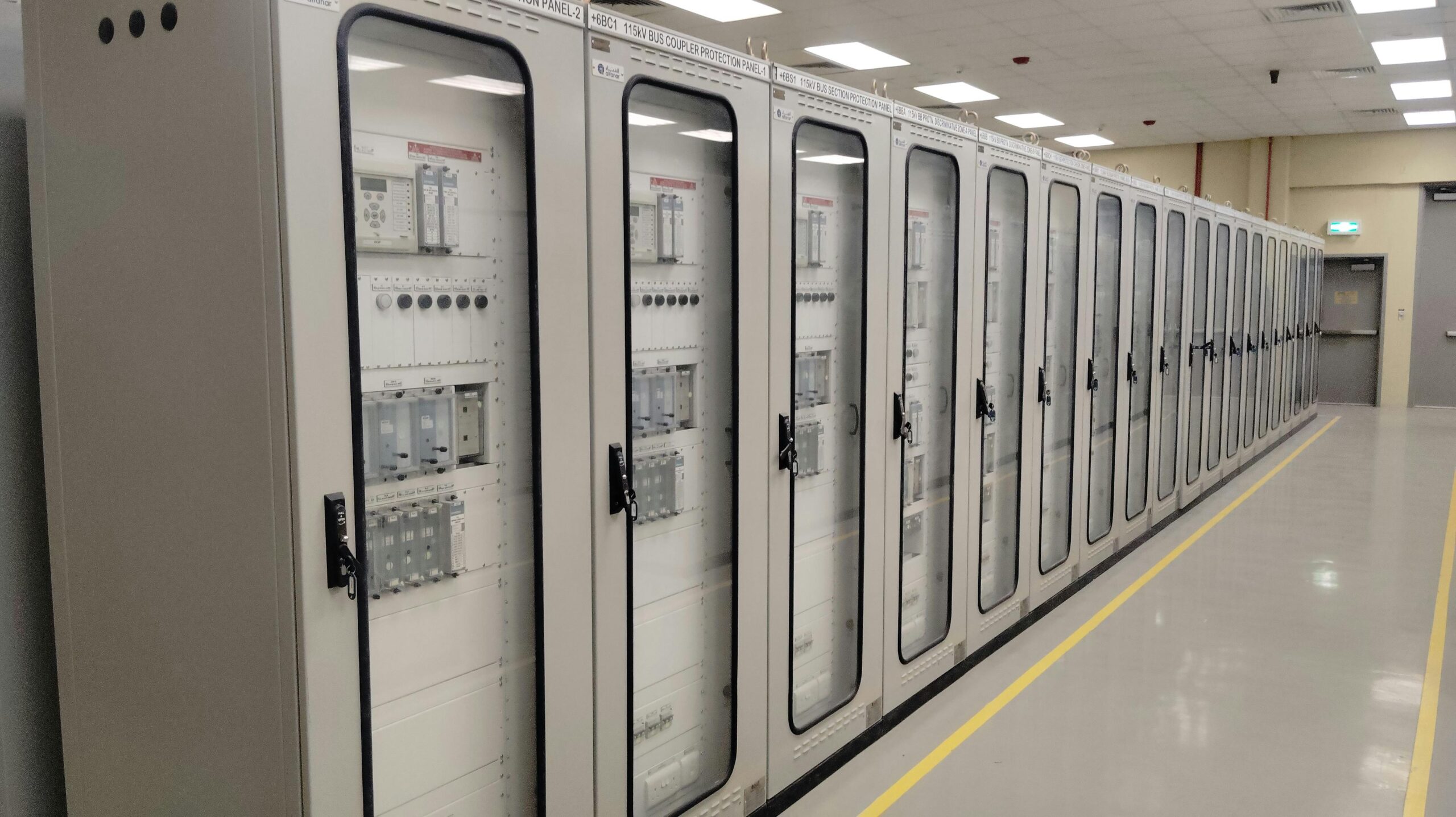
💡 Maximizing Efficiency Through Integrated Design
The ultimate efficiency gains emerge when condenser systems are considered from project inception rather than retrofitted afterward. Integrated design processes bring together architects, engineers, and condenser specialists early in planning, optimizing building orientation, materials, and systems for maximum synergy.
District-level planning amplifies these benefits further. Mixed-use developments with diverse thermal loads create ideal conditions for condenser networks. Industrial parks adjacent to residential areas enable waste heat utilization. Strategic placement of facilities maximizes network efficiency while minimizing infrastructure costs.
The condenser revolution represents far more than incremental improvement—it’s a paradigm shift in how we generate, distribute, and consume energy and water. From compact residential units to vast community networks, these systems demonstrate that sustainability and efficiency are not aspirations but achievable realities transforming how we live, work, and build our future. 🌟