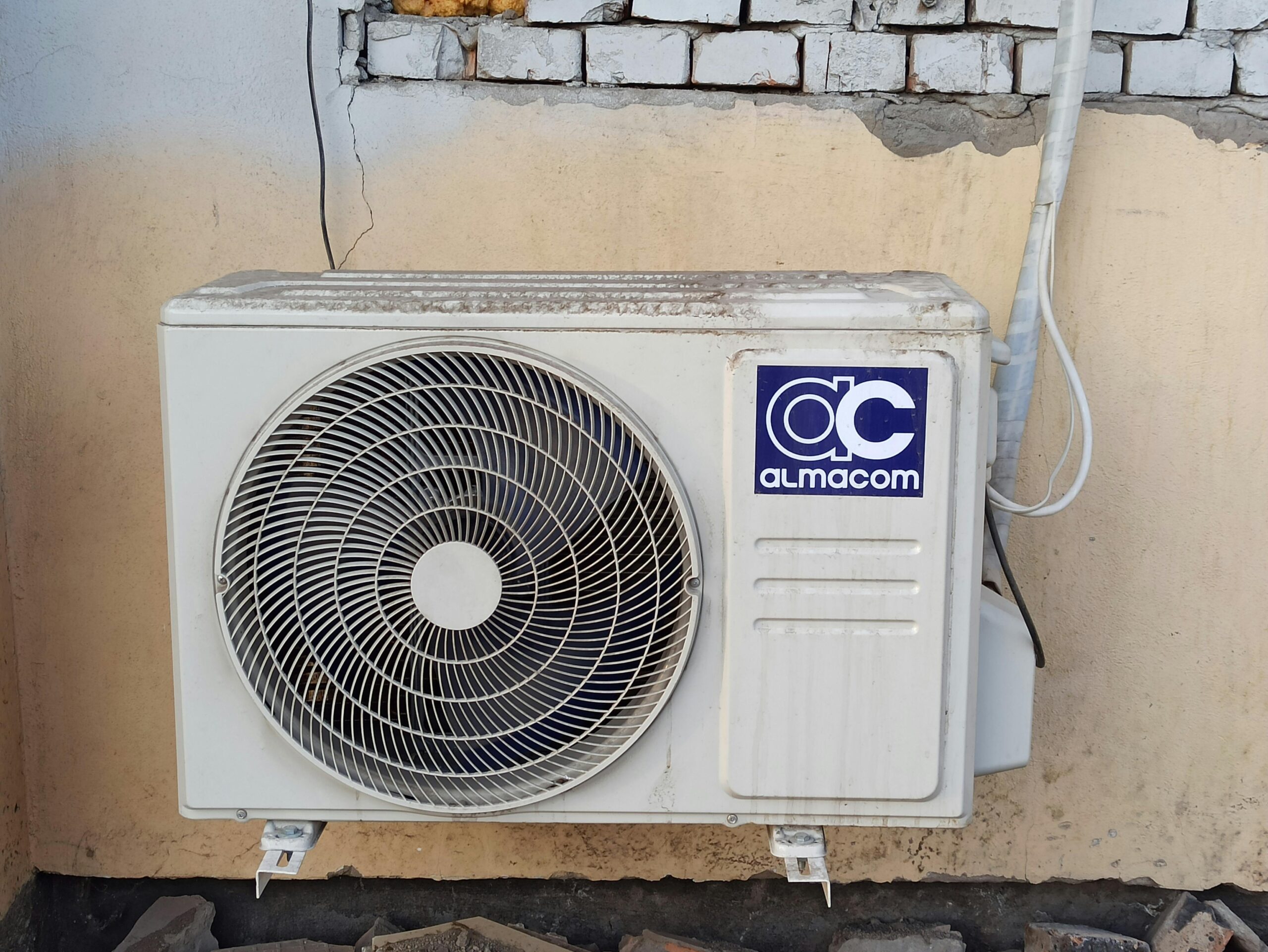
Water scarcity affects billions worldwide, yet innovative atmospheric water harvesting technologies using pre-cooled air streams are revolutionizing how we capture and conserve this precious resource efficiently.

🌍 The Global Water Crisis Demands Innovative Solutions
Our planet faces an unprecedented water crisis. According to recent studies, over 2 billion people live in countries experiencing high water stress, and this number continues to grow as climate change intensifies and populations expand. Traditional water sources like rivers, lakes, and underground aquifers are depleting at alarming rates, forcing communities and industries to explore alternative methods for securing freshwater supplies.
Atmospheric water harvesting has emerged as a promising solution, extracting moisture directly from the air we breathe. However, conventional systems often struggle with efficiency, particularly in warmer climates where water demand is highest. This is where pre-cooling technology enters the picture, transforming the entire water capture landscape.
💧 Understanding Atmospheric Water Generation Technology
Before diving into the revolutionary impact of pre-cooled air streams, it’s essential to understand the basic principles of atmospheric water generation (AWG). These systems extract water vapor from ambient air through condensation, similar to how your air conditioner produces water as a byproduct.
Traditional AWG systems pull in air, cool it below the dew point temperature, causing water vapor to condense on cold surfaces. The collected water then drips into collection reservoirs, where it undergoes filtration and mineralization to become potable water.
The Efficiency Challenge in Standard Systems
Conventional atmospheric water generators face several efficiency barriers. High ambient temperatures require more energy to cool air sufficiently for condensation. Humidity levels fluctuate throughout the day, affecting water yield. Energy consumption often makes these systems economically unviable for large-scale applications, and maintenance costs can be prohibitively expensive.
These limitations have historically prevented widespread adoption of atmospheric water harvesting, particularly in arid regions where the technology would be most beneficial. Enter pre-cooling technology—a game-changing innovation that addresses these fundamental challenges.
🔬 How Pre-Cooled Air Streams Transform Water Capture
Pre-cooling represents a paradigm shift in atmospheric water generation. Rather than immediately condensing water from ambient air, these advanced systems first reduce the air temperature through innovative heat exchange mechanisms before the primary condensation stage.
The process begins with ambient air entering a pre-cooling chamber where initial thermal energy is removed through various methods including evaporative cooling, geothermal heat exchange, or regenerative cooling cycles. This pre-cooled air then moves to the condensation unit, requiring significantly less additional cooling to reach the dew point temperature.
The Science Behind Superior Performance
The efficiency gains from pre-cooling are rooted in thermodynamics. Cooling air from 95°F to 75°F and then to 55°F requires less total energy than cooling directly from 95°F to 55°F in a single stage. This counterintuitive fact stems from the non-linear relationship between temperature change and energy consumption in refrigeration systems.
Additionally, pre-cooled air contains more retained moisture in a more accessible state for extraction. The gradual temperature reduction prevents moisture from escaping back into the atmosphere, maximizing capture efficiency at each stage of the process.
⚡ Quantifying the Efficiency Improvements
The performance improvements from pre-cooling technology are substantial and measurable across multiple metrics. Research and field testing have demonstrated remarkable advantages that make these systems commercially viable even in challenging environments.
| Performance Metric | Standard AWG Systems | Pre-Cooled AWG Systems | Improvement |
|---|---|---|---|
| Energy Consumption per Liter | 0.8-1.2 kWh | 0.3-0.5 kWh | 60-70% reduction |
| Water Yield (liters/day) | 20-30L | 45-70L | 125-133% increase |
| Operating Temperature Range | 60-95°F optimal | 50-110°F optimal | Expanded range |
| Minimum Humidity Required | 40% | 25% | Lower threshold |
These improvements translate directly into cost savings, environmental benefits, and expanded applicability across diverse geographical regions and climate conditions.
🏗️ Real-World Applications Transforming Communities
Pre-cooled atmospheric water generation systems are already making tangible impacts across various sectors and environments worldwide. From residential applications to industrial-scale installations, this technology is proving its versatility and effectiveness.
Agricultural Revolution in Arid Regions
Farmers in water-stressed areas are installing pre-cooled AWG systems to irrigate crops without depleting groundwater reserves. A cooperative in southern Spain reported reducing their water costs by 45% while maintaining crop yields, demonstrating the economic viability of this approach for agricultural applications.
These systems operate continuously, generating water during both day and night cycles. The consistent water supply allows farmers to implement precision irrigation strategies, further optimizing water use and improving crop quality.
Remote Communities Gaining Water Independence
Island communities and remote settlements previously dependent on expensive water shipments are achieving water independence through pre-cooled AWG technology. A village in the Maldives installed a centralized system producing 5,000 liters daily, eliminating the need for diesel-powered desalination and imported bottled water.
The system pays for itself within 3-5 years through eliminated transportation costs and reduced infrastructure maintenance. Beyond economics, water security provides psychological benefits and enables community development previously impossible under water scarcity constraints.
Industrial and Commercial Applications
Manufacturing facilities, data centers, and commercial buildings are integrating pre-cooled AWG systems to reduce municipal water dependency and lower operational costs. A technology campus in California generates 30% of its water needs through atmospheric harvesting, significantly reducing strain on local water infrastructure.
🌱 Environmental Benefits Beyond Water Conservation
The environmental advantages of pre-cooled atmospheric water generation extend far beyond simply conserving water resources. These systems contribute to sustainability across multiple dimensions, creating cascading positive effects for ecosystems and communities.
Reduced Carbon Footprint
The improved energy efficiency directly translates to lower carbon emissions. When powered by renewable energy sources like solar or wind, pre-cooled AWG systems achieve near-zero carbon water production. This contrasts sharply with traditional water supply methods involving pumping, treatment, and distribution infrastructure.
A lifecycle analysis comparing pre-cooled AWG to conventional water supply found CO2 emissions reduced by 60-80% per liter produced, depending on the local energy grid composition and distribution distances eliminated.
Ecosystem Preservation
By reducing reliance on surface water extraction and groundwater pumping, these systems help preserve aquatic ecosystems and prevent land subsidence. Rivers maintain ecological flows supporting biodiversity, and aquifers retain sufficient pressure to prevent saltwater intrusion in coastal areas.
- Reduced stress on natural water sources allows ecosystem recovery
- Elimination of water transportation reduces infrastructure footprint
- Lower energy consumption decreases overall environmental impact
- Decentralized water production reduces distribution losses
- No chemical discharge or brine production unlike desalination
💰 Economic Viability and Return on Investment
While innovative technology often carries premium pricing, pre-cooled AWG systems demonstrate compelling economics that make adoption financially sensible for diverse stakeholders. The total cost of ownership comparison reveals advantages that become more pronounced over time.
Initial capital costs for residential-scale systems range from $2,000 to $8,000 depending on capacity and features. Commercial and industrial systems scale accordingly, with costs per liter of daily capacity decreasing as system size increases.
Calculating Your Water Independence Timeline
The payback period depends on several factors including local water costs, energy prices, system capacity, and climate conditions. In regions with expensive municipal water or poor water quality requiring bottled water purchases, payback periods can be remarkably short.
A typical household system producing 30 liters daily in an area with $0.005 per liter water cost would save approximately $55 monthly. When factoring in improved water quality eliminating bottled water purchases ($0.50-2.00 per liter), savings accelerate dramatically, achieving payback in 2-4 years.
Industrial applications often see even faster returns. A manufacturing facility producing 10,000 liters daily achieved payback in 18 months through eliminated municipal water fees, reduced wastewater discharge costs, and improved process water quality reducing equipment maintenance.
🔧 Implementation Considerations and Best Practices
Successfully deploying pre-cooled atmospheric water generation requires careful planning and consideration of site-specific factors. Understanding these elements ensures optimal performance and maximizes return on investment.
Site Assessment and System Sizing
Proper system sizing begins with accurate assessment of water needs, local climate conditions, and available space. Average humidity levels throughout the year significantly impact system performance, with higher humidity enabling smaller, more efficient systems.
Temperature patterns also matter. Locations with large diurnal temperature swings may benefit from thermal storage integration, capturing excess capacity during optimal conditions for use during less favorable periods.
Integration with Existing Infrastructure
Pre-cooled AWG systems can supplement or replace existing water sources depending on capacity and requirements. Hybrid approaches often prove most practical, with atmospheric water generation handling baseline needs while maintaining backup connections to conventional sources for peak demand or maintenance periods.
Water storage capacity should accommodate 2-3 days of consumption, providing buffer against weather variations affecting production rates. Properly sized storage also enables systems to operate primarily during off-peak electricity hours when renewable energy is abundant or utility rates are lowest.
🚀 Future Innovations on the Horizon
The field of atmospheric water generation continues evolving rapidly, with researchers and engineers developing next-generation technologies that promise even greater efficiency and accessibility. These emerging innovations will further democratize access to clean water globally.
Artificial Intelligence Optimization
Machine learning algorithms are being integrated to predict optimal operating parameters based on weather forecasts, historical performance data, and usage patterns. These intelligent systems adjust cooling stages, airflow rates, and condensation temperatures dynamically, extracting maximum water yield while minimizing energy consumption.
Predictive maintenance capabilities identify component degradation before failures occur, reducing downtime and extending system lifespan. AI-enabled systems demonstrate 15-25% better performance than static control strategies.
Advanced Materials and Nanotechnology
Novel materials including metal-organic frameworks (MOFs) and graphene-based condensation surfaces dramatically improve water capture efficiency. These materials exhibit exceptional water affinity and thermal conductivity, enabling condensation at higher temperatures with less energy input.
Research prototypes using advanced materials achieve water production with 90% less energy than first-generation systems, suggesting future consumer systems will operate on solar power alone without battery storage.
🎯 Making the Transition to Water Independence
For individuals, communities, and organizations considering atmospheric water generation, the path forward has never been clearer. Pre-cooled systems have matured from experimental technology to proven solutions with established track records across diverse applications and environments.
Start by assessing your specific water needs and local conditions. Consult with qualified professionals who can evaluate your situation and recommend appropriately sized systems. Many manufacturers offer performance guarantees based on your local climate data, providing confidence in expected results.
Consider pilot programs or smaller-scale installations before committing to large infrastructure investments. Hands-on experience with the technology builds understanding and confidence while demonstrating value to stakeholders.
Building Water Resilience for Future Generations
Adopting pre-cooled atmospheric water generation represents more than implementing new technology—it’s investing in long-term water security and environmental sustainability. As climate change increases water stress globally, communities with diversified water sources including atmospheric harvesting will demonstrate greater resilience and stability.
The technology empowers individuals and communities to take control of their water destiny rather than remaining dependent on increasingly strained centralized infrastructure. This decentralization creates redundancy and security that will prove invaluable as water challenges intensify.

🌟 Embracing the Water Revolution Today
Pre-cooled atmospheric water generation stands as one of the most promising solutions to our global water crisis. The technology has evolved from interesting concept to practical implementation, delivering measurable benefits across efficiency, economics, and environmental impact.
Every liter of water captured from the atmosphere reduces pressure on depleted aquifers and stressed surface water sources. Every kilowatt-hour saved through improved efficiency reduces carbon emissions and environmental impact. Every community achieving water independence through this technology demonstrates what’s possible when innovation meets necessity.
The question is no longer whether atmospheric water generation works, but rather how quickly we can scale deployment to address water scarcity affecting billions worldwide. With pre-cooling technology maximizing efficiency and viability, the tools exist today to build a water-secure future.
Whether you’re a homeowner seeking independence from municipal systems, a farmer looking to sustainably irrigate crops, or a community leader planning for long-term water security, pre-cooled atmospheric water generation offers a proven path forward. The water revolution is here—it’s time to capture it.