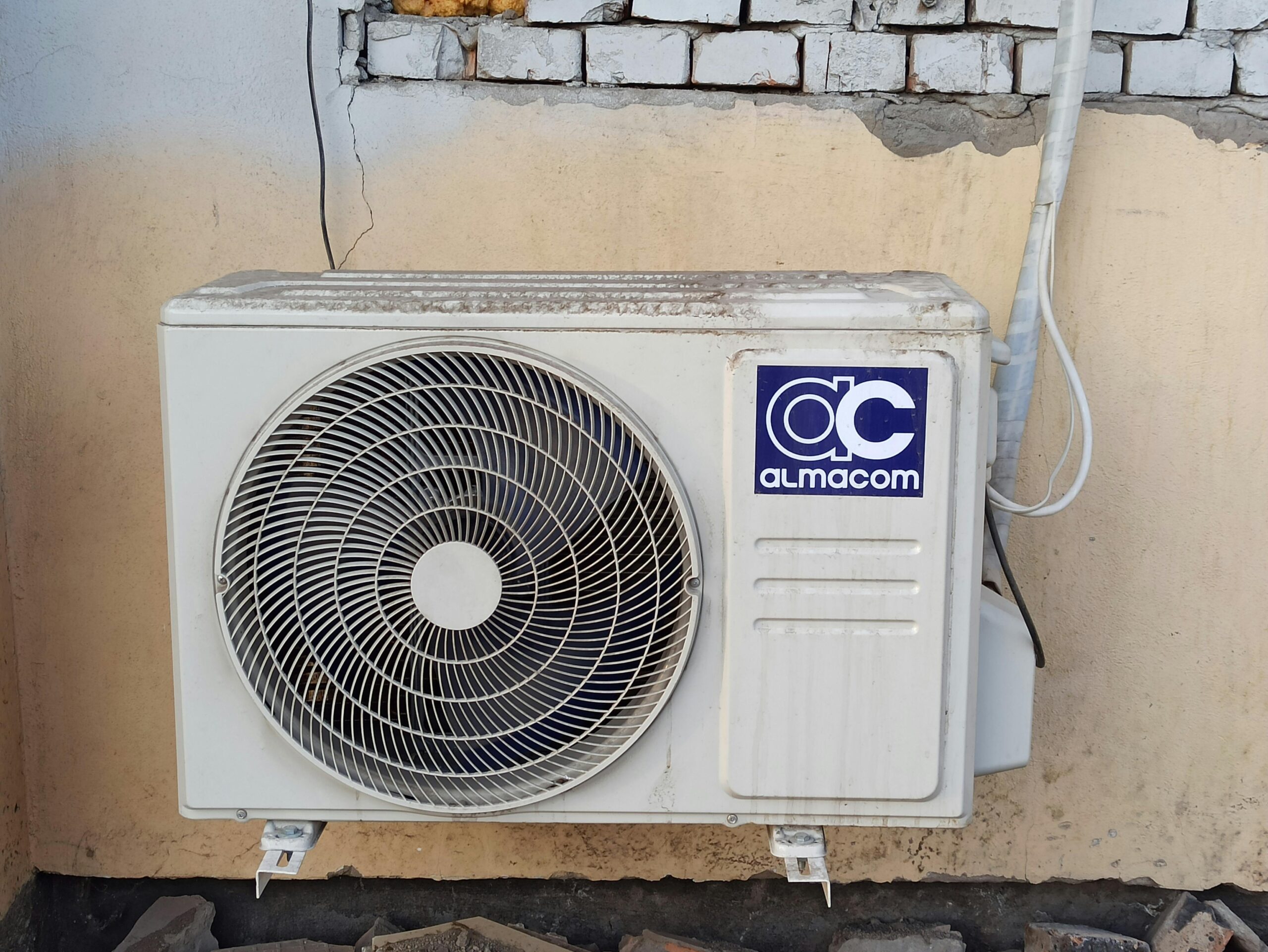
The integration of IoT sensors into industrial condensation cycle control systems is transforming how facilities manage energy consumption, operational efficiency, and predictive maintenance in real-time environments.

🌐 The Digital Transformation of Condensation Management
Industrial refrigeration and HVAC systems have long relied on condensation cycles to maintain optimal performance. Traditional control methods depended on manual monitoring, periodic inspections, and reactive maintenance strategies that often resulted in inefficiencies and unexpected downtime. The advent of Internet of Things (IoT) technology has fundamentally altered this landscape, introducing unprecedented levels of precision, automation, and data-driven decision-making.
Modern IoT sensors can monitor temperature fluctuations, pressure variations, humidity levels, and flow rates with remarkable accuracy. These devices communicate continuously with centralized control systems, creating a comprehensive network of real-time data that enables facility managers to optimize condensation cycles with minimal human intervention. This technological evolution represents more than just incremental improvement—it signifies a paradigm shift in industrial process management.
📊 Understanding Condensation Cycle Fundamentals
Before exploring how IoT sensors enhance efficiency, it’s essential to understand the condensation cycle itself. In refrigeration and cooling systems, the condensation process involves converting refrigerant vapor into liquid form by removing heat. This cycle consists of four primary stages: compression, condensation, expansion, and evaporation.
Each stage requires precise control to maximize energy efficiency and system performance. Temperature and pressure must be maintained within specific parameters to ensure optimal heat transfer. Even minor deviations can result in significant energy waste, increased operational costs, and accelerated equipment degradation.
Traditional control systems relied on set-point adjustments and periodic calibration, often failing to account for dynamic environmental conditions or real-time load variations. This limitation created inherent inefficiencies that IoT sensor technology now effectively addresses.
⚙️ How IoT Sensors Transform Operational Intelligence
IoT sensors deployed throughout condensation systems provide continuous monitoring capabilities that were previously impossible to achieve. Temperature sensors track refrigerant conditions at multiple points, pressure transducers measure system dynamics, and flow meters monitor circulation rates with precision.
These devices transmit data wirelessly to cloud-based platforms or edge computing systems that analyze information in real-time. Advanced algorithms identify patterns, detect anomalies, and automatically adjust system parameters to maintain optimal performance. This closed-loop control system responds to changing conditions faster than any human operator could, eliminating the lag time that traditionally compromised efficiency.
The granularity of data collection enables facility managers to understand system behavior at an unprecedented level. Rather than relying on periodic snapshots, operators now have access to continuous performance metrics that reveal subtle inefficiencies and optimization opportunities.
💡 Key Benefits of IoT-Enabled Condensation Control
Energy Consumption Reduction
The most immediate and measurable benefit of IoT sensor integration is reduced energy consumption. By continuously optimizing condensation temperatures and pressures based on actual load requirements, systems avoid the energy waste associated with over-cooling or excessive compression.
Studies have demonstrated that IoT-optimized condensation systems can reduce energy consumption by 15-30% compared to traditional control methods. This translates to substantial cost savings, particularly in large industrial facilities where refrigeration and HVAC systems account for significant portions of total energy usage.
Predictive Maintenance Capabilities
IoT sensors enable predictive maintenance strategies that prevent unexpected failures and extend equipment lifespan. By monitoring vibration patterns, temperature anomalies, and performance degradation trends, systems can identify potential issues before they result in costly breakdowns.
This proactive approach replaces reactive maintenance models, reducing downtime and maintenance costs while improving overall system reliability. Facility managers receive automated alerts when sensor data indicates developing problems, allowing for planned interventions during scheduled maintenance windows rather than emergency repairs.
Enhanced System Adaptability
IoT-enabled condensation systems adapt automatically to changing environmental conditions and operational demands. When outdoor temperatures fluctuate, internal load requirements shift, or production schedules vary, sensor networks detect these changes and adjust system parameters accordingly.
This adaptive capability ensures consistent performance across diverse operating conditions without manual intervention. The system learns from historical data patterns, continuously refining its control algorithms to improve efficiency over time through machine learning applications.
🔧 Implementation Considerations for Industrial Facilities
Successfully integrating IoT sensors into existing condensation cycle infrastructure requires careful planning and strategic implementation. Facilities must consider several critical factors to maximize return on investment and ensure seamless operation.
Sensor Selection and Placement
Choosing appropriate sensor types and determining optimal placement locations are fundamental to system effectiveness. Temperature sensors must be positioned at critical measurement points throughout the condensation cycle, while pressure transducers should monitor both high-pressure and low-pressure sides of the system.
Flow meters provide valuable insights into refrigerant circulation rates, and humidity sensors in air-cooled condensers help optimize fan operation. The specific sensor configuration depends on system architecture, operational requirements, and performance optimization goals.
Communication Infrastructure
Robust wireless communication networks form the backbone of IoT sensor systems. Facilities must establish reliable connectivity that ensures continuous data transmission without interference or signal loss. Options include Wi-Fi networks, dedicated industrial wireless protocols, cellular connections, or hybrid approaches combining multiple technologies.
Network security represents a critical consideration, as IoT devices create potential vulnerabilities that malicious actors could exploit. Implementing encryption protocols, network segmentation, and regular security audits protects sensitive operational data and prevents unauthorized system access.
Data Management and Analytics Platforms
The volume of data generated by IoT sensor networks requires sophisticated management and analysis capabilities. Cloud-based platforms offer scalable storage and processing power, while edge computing solutions provide local data processing that reduces latency and bandwidth requirements.
Analytics software transforms raw sensor data into actionable insights through visualization dashboards, automated reporting, and predictive modeling. Integration with existing building management systems or industrial control platforms ensures seamless workflow and unified operational oversight.
📈 Real-World Applications and Success Stories
Numerous industrial facilities have already realized substantial benefits from IoT sensor integration in condensation cycle control. Food processing plants have reduced refrigeration energy costs while maintaining stricter temperature control for product quality. Pharmaceutical manufacturers have achieved more precise environmental control in temperature-sensitive production areas.
A major cold storage facility in the Midwest United States reported 22% energy reduction within six months of implementing IoT-enabled condensation control. The system automatically adjusted condenser fan speeds based on ambient conditions and real-time cooling load, eliminating the constant-speed operation that previously wasted energy during periods of reduced demand.
Similarly, a chemical processing plant in Europe integrated IoT sensors throughout its refrigeration infrastructure, achieving both energy savings and improved process stability. Continuous monitoring detected a gradual refrigerant leak that traditional inspection methods had missed, preventing what would have been a costly system failure and environmental incident.
🚀 Emerging Technologies and Future Developments
The evolution of IoT sensor technology continues to accelerate, with emerging innovations promising even greater efficiency gains. Next-generation sensors incorporate artificial intelligence directly at the device level, enabling more sophisticated local processing and decision-making capabilities.
Digital Twin Technology
Digital twin platforms create virtual replicas of physical condensation systems, using IoT sensor data to simulate performance under various conditions. These models enable operators to test optimization strategies virtually before implementing changes in actual systems, reducing risk and accelerating improvement initiatives.
Digital twins also facilitate training programs, allowing personnel to develop operational expertise in simulated environments that mirror real-world system behavior without risking production disruptions or equipment damage.
Advanced Machine Learning Algorithms
Machine learning applications are becoming increasingly sophisticated in their ability to optimize condensation cycle control. These algorithms identify complex patterns in historical data, predicting future performance trends and recommending proactive adjustments that human operators might overlook.
Reinforcement learning techniques enable systems to discover novel optimization strategies through trial-and-error experimentation in simulation environments, continuously improving control logic without human programming intervention.
Integration with Renewable Energy Systems
IoT sensor networks facilitate seamless integration between condensation systems and renewable energy sources. Solar panel output monitoring, battery storage management, and grid demand response capabilities work together to minimize energy costs and environmental impact.
When solar generation peaks during midday hours, intelligent control systems can shift condensation loads to capitalize on abundant renewable energy availability, reducing reliance on grid power during expensive demand periods.
🛡️ Addressing Implementation Challenges
Despite compelling benefits, IoT sensor implementation presents challenges that facilities must address proactively. Initial capital investment requirements can be substantial, particularly for comprehensive retrofits of existing infrastructure. However, energy savings and operational improvements typically generate positive return on investment within 2-4 years.
Technical expertise requirements represent another consideration. Facility personnel need training to maintain, troubleshoot, and optimize IoT sensor networks effectively. Partnering with experienced technology providers and investing in workforce development programs helps bridge knowledge gaps.
Compatibility with legacy equipment occasionally creates integration difficulties. Older condensation systems may require interface devices or control system upgrades to communicate with modern IoT sensor networks. Phased implementation approaches allow facilities to modernize incrementally while maintaining operational continuity.
🌍 Environmental Impact and Sustainability Benefits
Beyond operational efficiency and cost savings, IoT-optimized condensation cycle control delivers significant environmental benefits. Reduced energy consumption directly decreases greenhouse gas emissions associated with electricity generation, supporting corporate sustainability goals and regulatory compliance requirements.
Improved refrigerant management through leak detection and optimized charge levels minimizes releases of high-global-warming-potential substances. Many modern refrigerants have climate impacts thousands of times greater than carbon dioxide, making even small leak prevention efforts environmentally significant.
The enhanced system efficiency enabled by IoT sensors extends equipment lifespan, reducing the environmental burden associated with manufacturing replacement components and disposing of end-of-life equipment. This circular economy approach aligns with broader sustainability initiatives across industrial sectors.
🎯 Strategic Implementation Roadmap
Facilities considering IoT sensor integration should follow a structured implementation approach to maximize success probability and minimize disruption. Begin with comprehensive system audits that identify current performance baselines, inefficiency sources, and optimization opportunities.
Pilot projects in limited system sections allow organizations to validate technology effectiveness and develop operational expertise before full-scale deployment. These controlled implementations provide valuable lessons that inform broader rollout strategies and prevent costly mistakes.
Establish clear performance metrics and monitoring protocols to quantify benefits and demonstrate return on investment. Document energy consumption changes, maintenance cost variations, and system reliability improvements to build organizational support for continued technology investment.
💼 The Business Case for IoT Sensor Investment
Financial justification for IoT sensor implementation extends beyond direct energy savings. Reduced maintenance costs, extended equipment lifespan, decreased downtime, and improved product quality contribute to total value proposition.
Many utility companies and government agencies offer incentive programs that offset initial implementation costs for energy efficiency technologies. These financial incentives can significantly improve project economics and accelerate payback periods.
Competitive advantages in sustainability performance increasingly influence customer preferences and business relationships. Companies demonstrating leadership in environmental stewardship through technologies like IoT-optimized condensation control enhance brand reputation and market positioning.
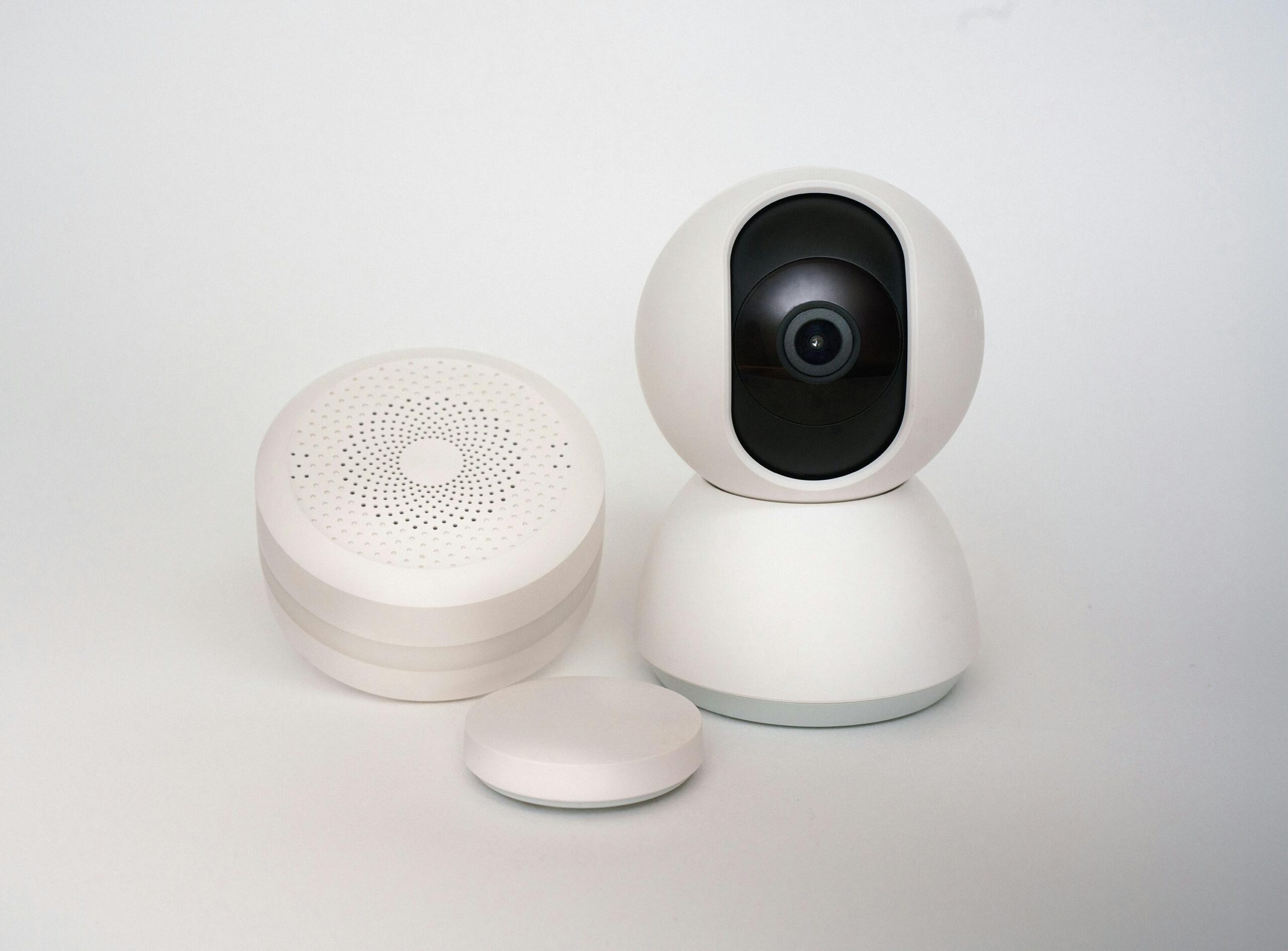
🔮 Preparing for the Connected Industrial Future
The integration of IoT sensors into condensation cycle control represents just one aspect of broader industrial digital transformation. Facilities that establish robust IoT infrastructure today position themselves advantageously for future technological innovations in automation, artificial intelligence, and predictive analytics.
As sensor costs continue decreasing and capabilities expand, comprehensive monitoring will become standard practice across industrial operations. Early adopters gain competitive advantages through operational excellence, while developing organizational capabilities that enable rapid adoption of emerging technologies.
The convergence of IoT, artificial intelligence, and cloud computing creates unprecedented opportunities for efficiency optimization. Condensation cycle control serves as an ideal starting point for facilities beginning digital transformation journeys, delivering tangible benefits while building foundational capabilities for more extensive automation initiatives.
The revolution in condensation cycle control through IoT sensor technology demonstrates how digital innovation transforms traditional industrial processes. By providing real-time visibility, enabling predictive maintenance, and facilitating automated optimization, these systems deliver efficiency improvements that were previously unattainable. As technology continues evolving and implementation costs decline, IoT-enabled condensation control will transition from competitive advantage to operational necessity across industrial sectors worldwide.