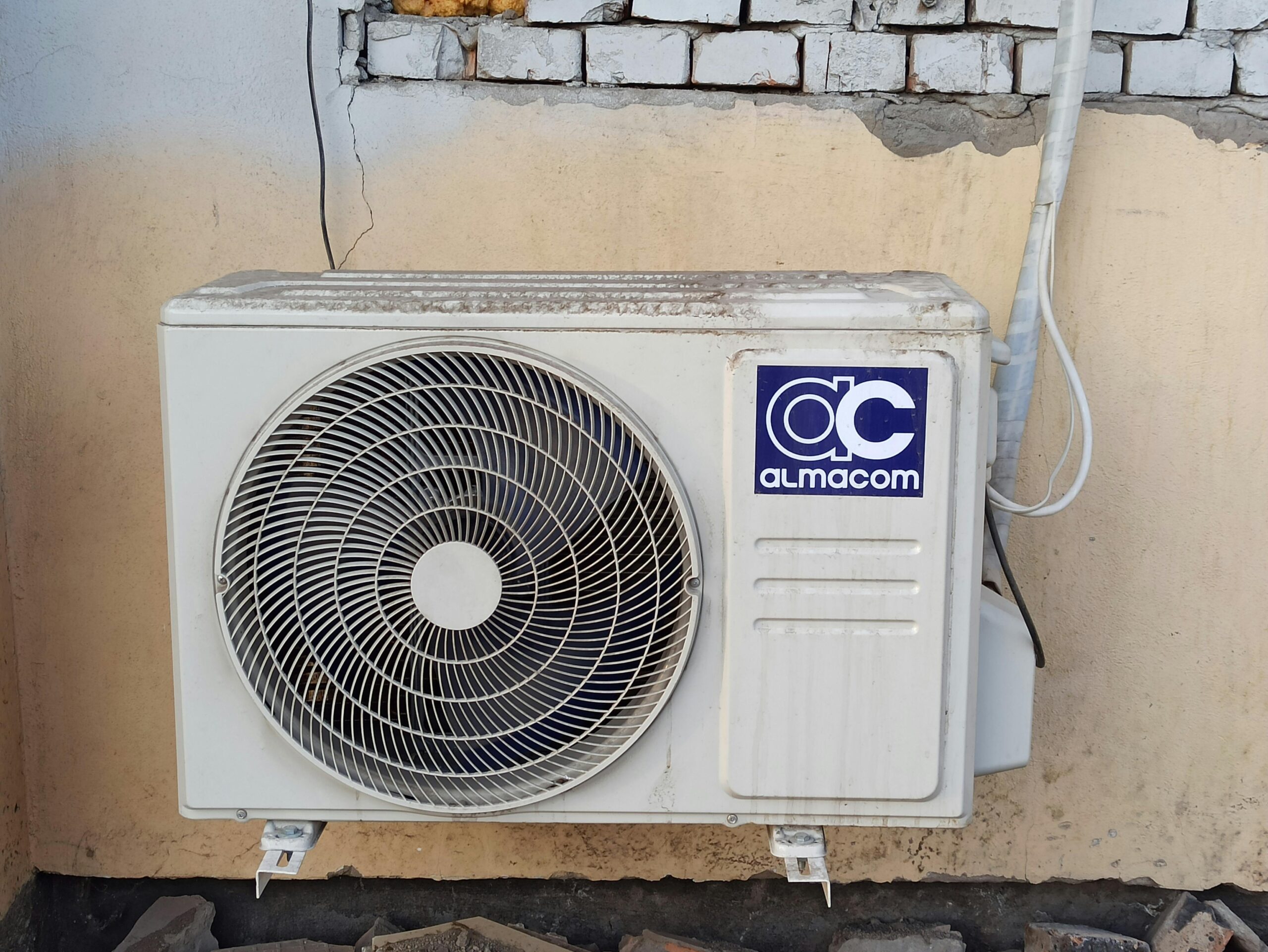
Energy metrics in condensation cycles represent a critical frontier for industries seeking to optimize thermal processes and reduce operational costs while maintaining environmental sustainability. ⚡

Understanding the Foundation of Condensation Cycle Efficiency
Condensation cycles form the backbone of numerous industrial processes, from power generation to refrigeration systems. At their core, these cycles involve the transformation of vapor into liquid state, releasing latent heat that can be harnessed for various applications. The efficiency of these systems directly impacts energy consumption, operational expenses, and environmental footprint.
Modern industrial facilities face increasing pressure to maximize energy utilization while minimizing waste. Condensation cycles present unique opportunities for optimization because they involve phase changes that inherently contain substantial energy potential. Understanding how to measure, monitor, and manipulate these energy metrics can unlock significant improvements in overall system performance.
The fundamental principle behind condensation cycle efficiency lies in the relationship between heat transfer, pressure differentials, and mass flow rates. When vapor condenses, it releases energy that was previously used for vaporization. Capturing and redirecting this energy efficiently requires sophisticated monitoring systems and strategic process design.
Key Energy Metrics That Drive Performance Optimization 📊
Identifying the right energy metrics is essential for meaningful performance improvements. Several critical parameters deserve continuous monitoring and analysis in condensation cycle operations.
Coefficient of Performance and Heat Transfer Rates
The Coefficient of Performance (COP) serves as a primary indicator of condensation cycle efficiency. This dimensionless value represents the ratio of useful heat transfer to the energy input required to drive the cycle. Higher COP values indicate more efficient energy utilization, making this metric invaluable for comparative analysis and optimization efforts.
Heat transfer rates within condensers determine how quickly energy can be extracted from the vapor phase. These rates depend on multiple factors including surface area, temperature differential, flow characteristics, and the thermal properties of the working fluid. Monitoring these rates in real-time enables operators to identify degradation in performance before it becomes critical.
Pressure Drop and Thermodynamic Efficiency
Pressure drop across condensation equipment represents lost energy that cannot be recovered for useful work. Excessive pressure drops indicate flow restrictions, fouling, or design inefficiencies that directly reduce overall cycle performance. Strategic measurement of pressure at multiple points throughout the system provides insights into where optimization efforts should focus.
Thermodynamic efficiency calculations compare actual cycle performance against theoretical maximum efficiency based on operating temperatures and pressures. This metric highlights the gap between ideal and real-world performance, guiding engineers toward specific improvements that yield the greatest returns.
Advanced Monitoring Technologies for Real-Time Optimization
The evolution of sensor technology and data analytics has transformed how industries approach condensation cycle management. Modern monitoring systems provide unprecedented visibility into energy flows and system behavior.
Wireless sensor networks deployed throughout condensation systems continuously collect temperature, pressure, flow rate, and composition data. These distributed measurement points create comprehensive energy profiles that reveal patterns invisible to conventional monitoring approaches. The granular data enables predictive maintenance strategies that prevent efficiency losses before they occur.
Thermal imaging cameras provide non-invasive assessment of heat distribution across condenser surfaces. Hot spots indicate areas where heat transfer is impeded, often due to fouling or flow maldistribution. Regular thermal surveys combined with performance metrics create a complete picture of system health and efficiency potential.
Integration of IoT and Machine Learning Algorithms
Internet of Things (IoT) platforms aggregate data from multiple sensors and systems, creating centralized dashboards that present energy metrics in actionable formats. These platforms enable remote monitoring and control, allowing operators to respond quickly to efficiency deviations regardless of physical location.
Machine learning algorithms trained on historical performance data can identify subtle patterns that precede efficiency losses. These predictive models alert operators to developing issues days or weeks before traditional monitoring would detect problems, enabling proactive interventions that maintain optimal performance.
Practical Strategies for Maximizing Condensation Efficiency 🔧
Understanding energy metrics provides the foundation, but translating that knowledge into operational improvements requires systematic implementation strategies.
Optimizing Operating Conditions
Condensation efficiency is highly sensitive to operating temperature and pressure. Small adjustments in cooling water temperature or system pressure can yield significant changes in energy consumption. Establishing optimal setpoints requires careful analysis of the trade-offs between different operational parameters.
Seasonal variations in ambient conditions offer opportunities for dynamic optimization. During cooler months, lower cooling water temperatures naturally improve condenser performance, potentially allowing reduced pump speeds or flow rates that save auxiliary power consumption.
Enhanced Surface Design and Materials
Condenser surface characteristics profoundly impact heat transfer efficiency. Enhanced tube geometries with internal fins or surface treatments increase the effective heat transfer area without proportionally increasing pressure drop. Modern materials with superior thermal conductivity further boost performance while resisting corrosion and fouling.
Regular cleaning protocols maintain design performance levels by removing deposits that insulate surfaces and impede heat transfer. The frequency and method of cleaning should be guided by monitoring data that tracks heat transfer coefficient degradation over time.
Economic Impact of Energy Metric Optimization
The financial benefits of optimizing condensation cycle efficiency extend beyond reduced energy consumption. A comprehensive economic analysis reveals multiple value streams that justify investment in monitoring and optimization technologies.
Direct energy savings typically constitute the largest economic benefit. For facilities with significant condensation operations, even modest percentage improvements in efficiency translate to substantial annual cost reductions. In energy-intensive industries, these savings can reach millions of dollars annually at a single facility.
Improved efficiency often enables increased throughput within existing equipment capacity constraints. By operating closer to theoretical maximum efficiency, systems can handle higher loads without requiring capital investment in additional equipment. This hidden benefit amplifies the economic return on optimization initiatives.
Maintenance Cost Reduction Through Predictive Insights
Energy metrics provide early warning signals for equipment degradation, enabling condition-based maintenance strategies that reduce both planned and unplanned downtime. Replacing components based on actual performance data rather than fixed schedules optimizes maintenance spending while ensuring reliability.
Extended equipment lifespan results from operating systems within optimal parameter ranges. Avoiding extreme conditions and rapid cycling reduces thermal and mechanical stress on components, postponing major capital replacement expenditures.
Environmental Benefits and Sustainability Considerations 🌍
Beyond economic advantages, enhanced condensation cycle efficiency contributes significantly to environmental sustainability goals. Reduced energy consumption directly translates to lower greenhouse gas emissions, particularly in facilities powered by fossil fuel-based electricity.
Water conservation represents another critical environmental benefit. More efficient condensers require less cooling water flow to achieve the same heat rejection, reducing both water consumption and thermal discharge to receiving waters. This benefit grows increasingly important as water scarcity becomes a global concern.
Optimized condensation cycles often enable the use of environmentally preferable working fluids. Higher efficiency systems can achieve required performance with refrigerants or working fluids that have lower global warming potential, supporting transitions away from high-impact substances.
Overcoming Implementation Challenges
Despite clear benefits, organizations face several obstacles when implementing comprehensive energy metric programs for condensation cycles. Recognizing and addressing these challenges increases the likelihood of successful deployment.
Data Integration and System Compatibility
Legacy equipment often lacks built-in measurement capabilities or uses proprietary communication protocols that resist integration with modern monitoring systems. Retrofitting older systems with contemporary sensors and data acquisition equipment requires careful planning to ensure compatibility and reliability.
Establishing common data standards across different equipment types and manufacturers simplifies analysis and enables enterprise-wide optimization. Investing in middleware platforms that translate between different protocols creates a unified data environment despite heterogeneous equipment populations.
Building Internal Expertise and Buy-In
Successfully leveraging energy metrics requires personnel who understand both the thermodynamic principles and the data analysis techniques. Training programs that develop these hybrid skill sets ensure that collected data translates into actionable insights rather than overwhelming information noise.
Organizational change management proves equally important as technical implementation. Operators and maintenance personnel must embrace data-driven decision making and continuous optimization mindsets. Demonstrating early wins builds credibility and momentum for broader adoption.
Future Trends Shaping Condensation Cycle Optimization
The landscape of energy management continues to evolve rapidly, with emerging technologies promising even greater optimization potential for condensation cycles.
Digital twin technology creates virtual replicas of physical systems that enable risk-free experimentation with optimization strategies. Engineers can test proposed changes in the digital environment, predicting outcomes before implementing modifications to actual equipment. This capability accelerates innovation while minimizing operational risks.
Advanced materials science is developing next-generation heat transfer surfaces with nanoscale enhancements that dramatically improve condensation performance. Hydrophobic coatings promote dropwise condensation rather than film condensation, increasing heat transfer coefficients by orders of magnitude.
Artificial Intelligence Driving Autonomous Optimization
Artificial intelligence systems are progressing toward autonomous operation where algorithms continuously adjust system parameters to maintain optimal efficiency despite changing conditions. These self-optimizing systems respond faster than human operators and identify complex multivariate optimization opportunities that exceed human cognitive capacity.
Blockchain technology may enable new business models where energy efficiency data is verified and monetized through carbon credit markets or performance-based service contracts. Immutable records of efficiency improvements support transparent reporting and value capture.
Creating a Roadmap for Implementation Success 🗺️
Organizations embarking on condensation cycle optimization initiatives benefit from structured implementation approaches that build capability progressively while delivering tangible results.
Begin with comprehensive baseline assessment that documents current performance across all relevant energy metrics. This baseline establishes the starting point against which improvements will be measured and provides data for prioritizing optimization opportunities based on potential impact.
Pilot projects targeting specific equipment or processes allow teams to develop expertise and demonstrate value before committing to enterprise-wide deployment. Selecting pilot locations with good existing instrumentation and engaged personnel increases the probability of early success.
Establish clear governance structures that define roles, responsibilities, and decision-making authority for energy optimization initiatives. Regular review cycles ensure that optimization remains a management priority rather than a one-time project.

Transforming Data Into Competitive Advantage
The true power of energy metrics lies not in the measurements themselves but in the insights they enable and the actions they inspire. Organizations that master the art and science of condensation cycle optimization create sustainable competitive advantages in their industries.
Lower operating costs provide pricing flexibility in competitive markets or enhanced profitability in regulated environments. Improved reliability reduces production interruptions that can be catastrophic in just-in-time manufacturing or continuous process industries.
Enhanced sustainability credentials increasingly influence customer preferences, investor decisions, and regulatory treatment. Documented efficiency improvements strengthen corporate reputations and support social license to operate.
The journey toward maximum condensation cycle efficiency is continuous rather than destination-oriented. As technologies advance and operational understanding deepens, new optimization opportunities continually emerge. Organizations that embed energy metric analysis into their operational culture position themselves to capture these opportunities systematically.
By focusing on the fundamental energy transformations occurring within condensation cycles and applying rigorous measurement and analysis, industries can unlock significant value that benefits both their bottom lines and broader environmental goals. The convergence of improved sensors, analytics capabilities, and thermal engineering knowledge creates unprecedented opportunities for those committed to maximizing efficiency in these critical systems. 💡