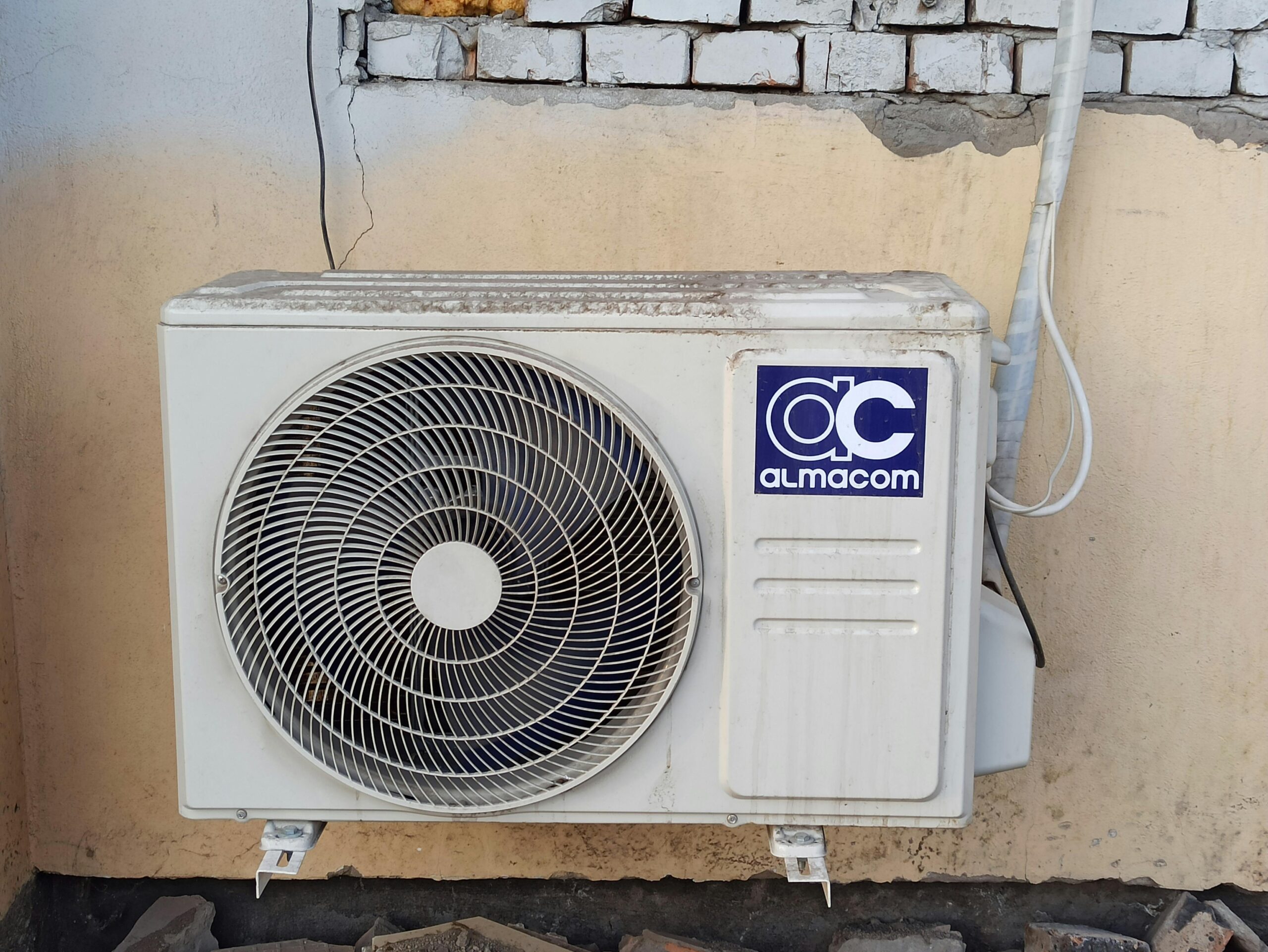
Water scarcity and climate extremes demand innovative solutions. Condensation cycles offer a promising path to harvest atmospheric moisture in both humid and arid regions, transforming invisible water vapor into precious liquid resources. 💧

Understanding the Science Behind Atmospheric Water Harvesting
Condensation represents one of nature’s most elegant water recycling mechanisms. When air temperature drops below its dew point, water vapor transitions from gaseous to liquid state, creating droplets on surfaces. This fundamental principle drives everything from morning dew on grass blades to industrial-scale atmospheric water generators.
The atmosphere holds approximately 12,900 cubic kilometers of water at any given moment—more than all rivers combined. This invisible reservoir remains largely untapped, yet accessible through strategic condensation management. Understanding how to maximize these cycles regardless of climate conditions has become increasingly critical as traditional water sources face unprecedented pressure.
Temperature differentials serve as the primary driver for condensation. When warm, moisture-laden air contacts cooler surfaces, thermodynamic principles force water molecules to surrender their kinetic energy and cluster together. The efficiency of this process depends on multiple variables: relative humidity, ambient temperature, surface temperature, airflow patterns, and material properties of condensing surfaces.
Humid Environments: Capturing Abundance Efficiently 🌴
Tropical and subtropical regions present unique opportunities for condensation harvesting. With relative humidity often exceeding 70%, these environments contain substantial atmospheric moisture. The challenge lies not in availability but in optimization—extracting maximum water while managing energy costs and preventing microbial contamination.
Passive Condensation Systems in High Humidity Zones
Passive systems leverage natural temperature fluctuations without requiring external energy inputs. Traditional fog nets, used successfully in coastal Peru and Chile, demonstrate this principle beautifully. These mesh structures capture microscopic water droplets from fog, channeling them into collection reservoirs with efficiency rates reaching 10 liters per square meter daily in optimal conditions.
Radiative cooling surfaces represent another breakthrough in humid climate applications. These specially engineered materials emit thermal radiation in specific wavelengths that pass through atmospheric windows, achieving surface temperatures below ambient air even in direct sunlight. When combined with hydrophobic-hydrophilic patterns, they create self-cleaning condensation panels that maximize water collection while minimizing maintenance.
Building design in humid climates increasingly incorporates condensation management into architectural elements. Green roofs, strategic ventilation systems, and thermal mass integration work synergistically to create consistent dew point convergence zones where atmospheric moisture naturally condenses.
Active Systems: Powered Solutions for Maximum Yield
Atmospheric water generators (AWGs) employ refrigeration cycles or desiccant materials to force condensation regardless of natural conditions. These systems prove particularly valuable where passive methods underperform or where water quality requirements demand controlled production environments.
Modern AWG technology has evolved considerably, with coefficient of performance (COP) ratings improving dramatically. High-efficiency units now produce one liter of water per 0.3-0.5 kWh in humid conditions—economically viable when compared to desalination or long-distance water transport costs.
- Compressor-based systems: Utilize standard refrigeration cycles with optimized heat exchangers
- Thermoelectric cooling: Employ Peltier effect for smaller-scale, silent operation
- Desiccant-based harvest: Use hygroscopic materials with thermal regeneration cycles
- Hybrid approaches: Combine multiple technologies for enhanced efficiency across varying conditions
Arid Environments: Extracting Water from Apparent Scarcity 🏜️
Desert regions challenge conventional thinking about atmospheric water harvesting. With relative humidity sometimes below 20%, many assume condensation becomes impractical. However, innovative approaches demonstrate that even arid environments contain harvestable moisture—the key lies in understanding microclimates, diurnal temperature swings, and specialized collection strategies.
Exploiting Desert Temperature Differentials
Deserts experience dramatic day-night temperature variations, sometimes exceeding 30°C difference. This characteristic creates predictable condensation windows during pre-dawn hours when temperatures plummet and relative humidity temporarily rises. Strategic systems designed around these daily cycles can harvest surprising volumes despite overall aridity.
The Namib Desert beetle provides biological inspiration for arid-climate water harvesting. Its shell features microscopic bumps with hydrophilic peaks and hydrophobic valleys, channeling morning fog droplets directly to its mouth. Biomimetic surfaces replicating this geometry have achieved collection rates of 1-3 liters per square meter in desert conditions previously considered too dry for condensation harvesting.
Subsurface Cooling and Underground Condensation
Below-ground thermal stability offers remarkable advantages in arid regions. At depths exceeding two meters, soil temperatures remain relatively constant year-round, typically 5-10°C cooler than surface air during hot seasons. This natural cooling reservoir enables condensation systems that draw ambient air through underground chambers where moisture condenses on cooled surfaces.
Ancient qanat systems in Iran and similar technologies worldwide demonstrate humanity’s long history with underground water management. Modern interpretations enhance these principles with engineered surfaces, optimized airflow, and material science advances that dramatically improve efficiency.
Material Science: The Foundation of Efficient Condensation ⚗️
Surface characteristics fundamentally determine condensation efficiency. Recent materials research has produced remarkable innovations that maximize water collection while minimizing energy requirements and maintenance challenges.
Superhydrophobic and Superhydrophilic Surfaces
Water contact angle—the degree to which droplets bead or spread on surfaces—directly impacts collection efficiency. Superhydrophobic coatings (contact angles exceeding 150°) cause droplets to form perfect spheres that roll off surfaces with minimal adhesion, rapidly clearing space for new condensation. Conversely, superhydrophilic surfaces (contact angles below 10°) spread water into thin films that absorb more efficiently but require different drainage strategies.
Pattern integration combining both properties creates optimal harvesting surfaces. Water nucleates on hydrophilic zones, grows until reaching hydrophobic channels, then rapidly drains to collection points. This biomimetic approach, inspired by desert plants and insects, increases collection rates by 50-200% compared to uniform surfaces.
Metal-Organic Frameworks and Hygroscopic Materials
MOFs represent a revolutionary material class for water harvesting in extreme aridity. These crystalline compounds feature extraordinary internal surface areas—some exceeding 7,000 square meters per gram—with precisely engineered pore geometries that capture water molecules even at relative humidity below 10%.
Zirconium-based MOF-801 demonstrates particular promise, absorbing significant water at night from desert air, then releasing it under mild solar heating during daytime. Systems incorporating these materials require no electrical input, operating entirely on natural temperature cycles while producing potable water in environments previously considered impossible for atmospheric extraction.
Optimizing Condensation Through Smart Technology 📱
Sensor integration and artificial intelligence now enable condensation systems to adapt dynamically to changing conditions. Real-time monitoring of temperature, humidity, wind speed, and solar radiation allows predictive optimization that maximizes water production while minimizing energy consumption.
Machine learning algorithms analyze historical weather patterns alongside current sensor data to anticipate optimal collection windows. These systems pre-cool surfaces during low-energy periods, adjust airflow rates based on moisture content, and schedule maintenance cycles to prevent efficiency losses.
Smart controllers can integrate with existing climate control systems in buildings, harvesting condensate from air conditioning units while optimizing overall energy usage. In commercial applications, this dual-purpose approach generates water as a valuable byproduct of necessary cooling operations, improving economic viability substantially.
Scaling Solutions: From Household to Community Implementation 🏘️
Condensation water harvesting operates effectively across remarkably diverse scales. Individual households can implement small passive systems producing 5-20 liters daily, while community-scale installations generate thousands of liters, supporting entire villages.
| Scale | Daily Production | Technology Type | Best Applications |
|---|---|---|---|
| Personal/Household | 5-50 liters | Passive panels, small AWG | Drinking water, cooking |
| Building/Complex | 50-500 liters | Integrated HVAC, rooftop systems | Irrigation, non-potable uses |
| Community | 500-5,000 liters | Hybrid arrays, underground chambers | Multiple households, agriculture |
| Municipal | 5,000+ liters | Industrial AWG farms, fog forests | Water security, drought resilience |
Economic Considerations and Return on Investment
Cost-effectiveness varies dramatically based on location, energy prices, water scarcity, and system type. In regions where municipal water costs exceed $2 per cubic meter or where infrastructure remains undeveloped, condensation harvesting often achieves payback periods under five years.
Passive systems require minimal maintenance and zero operating costs beyond occasional cleaning, making them particularly attractive for remote or off-grid applications. Active systems demand higher initial investment but provide consistent output regardless of ideal conditions, offering reliability that justifies costs in critical applications.
Government incentives, carbon credits for reduced water transport emissions, and integration with renewable energy systems further improve economic viability. Solar-powered AWG units eliminate grid dependency while capitalizing on the correlation between sunshine and peak water demand.
Environmental Impact and Sustainability Benefits 🌍
Condensation harvesting presents remarkable environmental advantages compared to traditional water sourcing methods. Unlike groundwater extraction, it creates zero aquifer depletion. Compared to desalination, energy requirements drop by 80-95%, with no brine disposal challenges. Against long-distance water transport, it eliminates massive infrastructure needs and transportation emissions.
Distributed water production enhances community resilience against climate disruptions. When centralized systems fail during disasters, localized condensation harvesters continue operating, providing emergency water security. This redundancy proves invaluable as extreme weather events increase in frequency and severity.
Ecological restoration benefits emerge when condensation systems support reforestation or agricultural projects in marginal lands. By providing consistent irrigation without depleting natural water sources, these technologies enable vegetation establishment that gradually improves local microclimates, creating positive feedback loops of increasing humidity and enhanced condensation potential.
Overcoming Implementation Challenges and Future Innovations
Despite tremendous potential, condensation water harvesting faces adoption barriers including awareness gaps, initial cost concerns, regulatory uncertainties, and technical knowledge requirements. Addressing these challenges requires coordinated efforts across multiple sectors.
Education and Demonstration Projects
Successful pilot installations serve as powerful advocacy tools. When communities witness functioning systems producing clean water reliably, skepticism transforms into enthusiasm. NGOs and government agencies increasingly prioritize demonstration projects that combine water production with educational programming about atmospheric resources and climate adaptation.
Technical training programs ensure local capacity for installation, maintenance, and troubleshooting. Empowering communities with relevant expertise transforms imported technology into sustainable local infrastructure that continues functioning long after initial implementers depart.
Emerging Technologies on the Horizon
Research laboratories worldwide pursue breakthrough innovations that promise step-change improvements in condensation efficiency. Graphene-based coatings may enable ultra-low-energy water harvesting. Photonic materials that simultaneously generate electricity while cooling collection surfaces could achieve energy-positive water production. Biotechnology approaches exploring engineered organisms or protein-based collectors might unlock entirely new paradigms.
Nanotechnology applications continue revealing possibilities at molecular scales. Precisely structured surfaces at nanometer dimensions can manipulate water molecule behavior with unprecedented control, potentially enabling efficient condensation even in extreme aridity previously thought impossible.
Integrating Condensation Harvesting Into Water Security Strategies 💡
No single solution addresses global water challenges comprehensively. Condensation harvesting functions most effectively as one component within diversified water portfolios that include conservation, efficiency improvements, rainwater collection, recycling, and traditional sources.
Urban planners increasingly recognize atmospheric water as a legitimate resource category deserving integration into water management frameworks. Building codes in water-stressed regions now incentivize or mandate condensation capture from HVAC systems. Agricultural policies explore subsidies for irrigation systems incorporating atmospheric water generators powered by renewable energy.
Climate adaptation strategies benefit enormously from condensation technologies’ unique characteristics—particularly their inverse relationship with some climate impacts. As temperatures rise, atmospheric moisture-holding capacity increases, potentially enhancing condensation harvesting productivity even as other water sources diminish. This counterintuitive advantage positions these technologies as increasingly valuable in warming world scenarios.
Practical Steps Toward Implementation Success
For individuals, communities, or organizations considering condensation water harvesting, systematic assessment ensures optimal outcomes. Begin with thorough climate data analysis covering temperature ranges, humidity patterns, and seasonal variations. This baseline informs appropriate technology selection and realistic production expectations.
Evaluate water quality requirements carefully. Drinking water demands higher purity standards requiring filtration and potential mineralization, while irrigation or industrial applications may accept condensate with minimal treatment. Matching system design to actual needs prevents over-engineering and unnecessary costs.
Consider energy sources strategically. Grid-connected locations may justify active systems during off-peak electricity periods. Remote areas benefit from solar-powered or entirely passive approaches. Hybrid configurations often provide optimal resilience and efficiency across varying conditions.
Engage stakeholders throughout planning processes. Community buy-in proves essential for long-term success, particularly where cultural factors influence water sourcing preferences. Transparency about capabilities, limitations, and maintenance requirements builds trust and realistic expectations.

Harnessing Invisible Resources for Tangible Impact
Atmospheric water represents Earth’s most underutilized freshwater resource. Whether in humid tropical regions or seemingly barren deserts, innovative condensation technologies now make this invisible reservoir accessible. As climate pressures intensify and conventional water sources face mounting challenges, the ability to harvest moisture from air itself transitions from interesting novelty to critical necessity.
Success requires matching appropriate technologies to specific environments, integrating smart controls for optimization, and viewing condensation harvesting within comprehensive water strategies rather than as isolated solutions. The physics remains constant across climates—only implementation details vary between humid and arid contexts.
Moving forward, continued material science advances, cost reductions through scale, and growing recognition of atmospheric water’s strategic value will accelerate adoption. Communities worldwide are discovering that water security need not depend solely on distant reservoirs or depleting aquifers. Sometimes the most abundant resources hide in plain sight, waiting only for human ingenuity to transform invisible vapor into life-sustaining liquid. The condensation revolution has begun—the question is no longer whether atmospheric water harvesting works, but how quickly we can scale solutions to match urgent global needs. 🌊