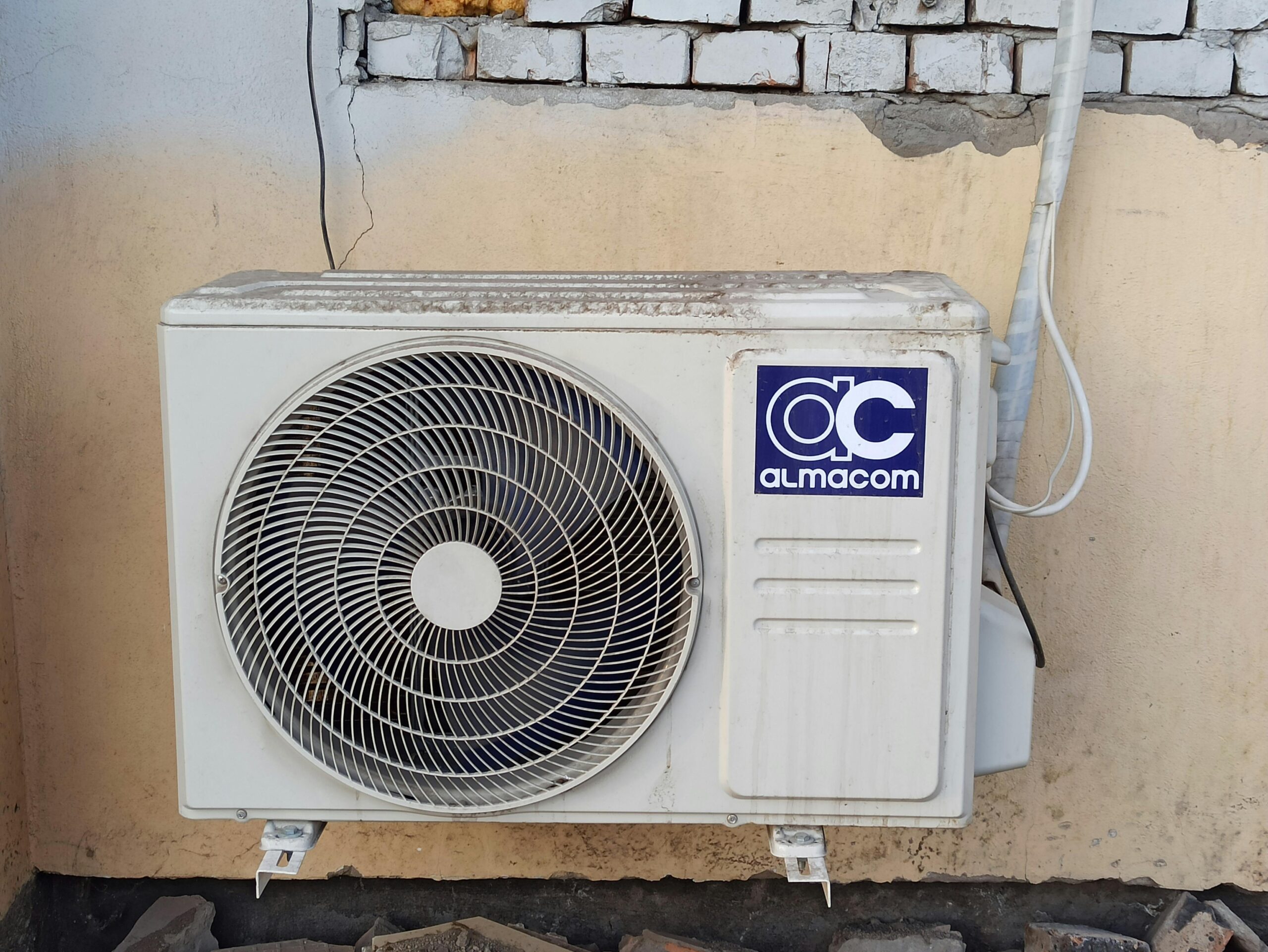
Water scarcity affects billions worldwide, yet the atmosphere holds trillions of gallons of moisture waiting to be harvested through atmospheric water generation technology.

The concept of extracting drinking water from air may sound like science fiction, but it’s becoming an increasingly viable solution to global water challenges. At the heart of this revolutionary technology lies a critical meteorological principle: the dew point. Understanding how dew point works isn’t just academic curiosity—it’s the fundamental key to unlocking efficient, sustainable water production from the atmosphere around us.
Water-from-air devices, also known as atmospheric water generators (AWGs), rely on manipulating temperature and humidity relationships to condense water vapor into liquid form. Whether you’re considering implementing this technology for emergency preparedness, off-grid living, or addressing water scarcity in arid regions, mastering dew point fundamentals will dramatically improve your understanding of when, where, and how these systems perform optimally.
🌡️ Demystifying the Dew Point: What It Really Means
The dew point represents the temperature at which air becomes saturated with water vapor and condensation begins to form. When air temperature drops to the dew point, the invisible water vapor transforms into visible liquid droplets—the same phenomenon you observe on a cold glass of water on a humid summer day or as morning dew on grass.
This meteorological measurement differs fundamentally from relative humidity, though the two concepts are intimately connected. While relative humidity expresses the percentage of moisture in the air relative to what it could hold at current temperature, dew point provides an absolute measure of atmospheric moisture content regardless of temperature fluctuations.
For atmospheric water generation, the dew point serves as the critical threshold temperature. Any surface cooled below the ambient dew point will collect condensation, making it the operational target for water-from-air technology. The higher the dew point, the more moisture available in the atmosphere, and consequently, the more efficiently these devices can produce water.
The Physics Behind Atmospheric Water Harvesting
Water-from-air devices exploit fundamental thermodynamic principles to extract moisture from atmospheric air. The process begins by drawing ambient air across cooling elements—typically refrigeration coils, thermoelectric cooling plates, or desiccant materials—that reduce the air temperature below its dew point.
As air contacts these cooled surfaces, water vapor condenses into liquid droplets that collect on the cooling elements. Gravity then channels this condensed water into collection reservoirs where filtration and purification systems ensure the water meets drinking standards. The now-dried air is expelled back into the environment, while the cycle continues with fresh humid air intake.
The efficiency of this process depends critically on the relationship between ambient temperature, dew point, and the energy required to achieve the temperature differential. A higher dew point means less cooling is needed to reach condensation temperature, resulting in significantly lower energy consumption and higher water production rates.
Calculating Water Production Potential From Dew Point Data 💧
Understanding the mathematical relationship between dew point and potential water yield helps optimize atmospheric water generator deployment and performance expectations. The amount of water that can theoretically be extracted from air depends on absolute humidity, which correlates directly with dew point temperature.
At a dew point of 10°C (50°F), air contains approximately 7.6 grams of water per cubic meter. When the dew point rises to 20°C (68°F), this nearly doubles to about 14.7 grams per cubic meter. At a tropical dew point of 25°C (77°F), the moisture content reaches approximately 20 grams per cubic meter—more than 2.5 times the water available at the lower dew point.
| Dew Point Temperature | Water Content (g/m³) | Production Efficiency |
|---|---|---|
| 5°C (41°F) | 5.4 g/m³ | Poor |
| 10°C (50°F) | 7.6 g/m³ | Low |
| 15°C (59°F) | 10.7 g/m³ | Moderate |
| 20°C (68°F) | 14.7 g/m³ | Good |
| 25°C (77°F) | 20.0 g/m³ | Excellent |
These figures represent maximum theoretical extraction, but real-world efficiency typically captures 30-60% of available moisture depending on system design, energy input, and operational conditions. A device processing 1000 cubic meters of air per day in a climate with a 20°C dew point could theoretically produce 4.4-8.8 liters of water daily.
Optimal Climate Conditions for Water-From-Air Technology
Geographic location dramatically influences atmospheric water generator performance, with dew point serving as the primary predictor of viability. Coastal regions, tropical environments, and temperate zones during warmer months typically offer ideal conditions with consistent dew points above 15°C.
Regions with dew points consistently above 18°C (64°F) provide excellent conditions for water harvesting. These areas include coastal tropical zones, subtropical regions during summer months, and equatorial climates. The abundant atmospheric moisture in these environments allows AWG systems to operate at peak efficiency with favorable energy-to-water production ratios.
Conversely, arid desert regions often present challenging conditions despite high daytime temperatures. The crucial factor isn’t temperature itself but rather dew point, which remains low in desert climates due to minimal atmospheric moisture. A desert location might reach 40°C (104°F) with only a 5°C (41°F) dew point, yielding minimal water production despite the temperature extreme.
Temperate climates experience significant seasonal variation in water production potential. Summer months with higher dew points enable substantial water generation, while winter conditions with lower dew points may render atmospheric water harvesting economically impractical without advanced, energy-intensive systems.
Energy Efficiency: The Dew Point Connection ⚡
The energy required to produce water from air correlates inversely with dew point temperature. Higher dew points mean less temperature differential needed between ambient air and cooling surfaces, directly translating to reduced energy consumption per liter of water produced.
In optimal conditions with dew points around 25°C, modern refrigerant-based AWG systems can produce water using approximately 0.3-0.5 kWh per liter. However, when dew points drop to 10°C, energy requirements may triple or quadruple to 1.2-2.0 kWh per liter for comparable production volumes.
This exponential relationship between dew point and energy efficiency explains why atmospheric water generation proves most economically viable in humid climates. The technology competes favorably with desalination and long-distance water transport in regions maintaining consistently high dew points, but becomes prohibitively expensive in drier environments.
Emerging technologies incorporating renewable energy sources—solar panels, wind turbines, and advanced battery storage—help offset operational costs in suitable climates. Pairing AWG systems with clean energy generation creates truly sustainable water production infrastructure independent of traditional water supply networks.
Monitoring Dew Point for Optimal Device Performance
Successfully operating water-from-air devices requires continuous monitoring of atmospheric conditions, with dew point tracking being paramount. Many modern AWG systems incorporate built-in sensors that automatically adjust operation based on real-time dew point measurements, optimizing water production while minimizing energy waste.
Understanding daily and seasonal dew point patterns enables strategic operational scheduling. In many climates, dew points peak during nighttime and early morning hours when temperatures drop and relative humidity rises. Programming AWG devices to run primarily during these high-dew-point windows maximizes water production efficiency.
Weather forecasting tools and meteorological data services provide valuable planning information for AWG operators. Historical dew point data helps predict seasonal production capacity, while short-term forecasts enable proactive operational adjustments to capitalize on optimal conditions or conserve energy during poor harvesting periods.
🔧 Engineering Considerations for Maximum Water Extraction
The design of atmospheric water generators must account for dew point physics to maximize condensation efficiency. Key engineering factors include cooling surface area, temperature differential maintenance, airflow optimization, and condensate collection efficiency.
Larger cooling surface areas contact more air volume, increasing condensation potential. However, this must be balanced against energy requirements to maintain surfaces below dew point temperature. Advanced systems employ multi-stage cooling with progressive temperature reduction to optimize this balance.
Airflow design significantly impacts water production. Too little airflow limits the volume of humid air contacting cooling surfaces, while excessive airflow may prevent adequate cooling for condensation. Computational fluid dynamics modeling helps engineers design optimal air circulation patterns that maximize moisture-laden air contact with cooled surfaces.
Condensate collection systems must efficiently capture and channel water droplets before they re-evaporate. Hydrophobic coatings on cooling surfaces promote droplet formation and rapid drainage into collection reservoirs, preventing moisture loss back into the air stream.
Water Quality From Atmospheric Sources
Water produced through atmospheric condensation begins remarkably pure, essentially distilled through natural evaporation-condensation cycles. However, the extraction process can introduce contaminants from air pollutants, dust particles, biological organisms, and materials within the AWG system itself.
Comprehensive filtration and purification stages are essential components of quality water-from-air systems. Multi-stage filtration typically includes particle filters to remove dust and debris, activated carbon filters to eliminate organic compounds and odors, and ultraviolet sterilization or ozone treatment to neutralize biological contaminants.
Regular maintenance and filter replacement ensure consistent water quality. The condensation process concentrates any airborne pollutants present in intake air, making pre-filtration especially critical in urban or industrial environments where atmospheric contamination levels are elevated.
Mineralization represents the final step in many AWG systems. Pure condensed water lacks the mineral content naturally present in groundwater sources. Adding essential minerals like calcium, magnesium, and potassium not only improves taste but also provides nutritional benefits and stabilizes water chemistry for long-term storage.
Real-World Applications and Success Stories 🌍
Atmospheric water generation technology has moved beyond experimental stages into practical deployment across diverse applications worldwide. Remote communities in suitable climates now supplement traditional water sources with AWG systems, reducing dependence on infrastructure-intensive supply networks.
Military and humanitarian organizations utilize portable AWG units in disaster response scenarios where traditional water infrastructure has failed. These deployable systems provide emergency drinking water supplies independent of local conditions, though effectiveness varies with regional dew point conditions.
Agricultural applications represent an emerging frontier for water-from-air technology. Greenhouse operations in coastal regions harvest atmospheric moisture for irrigation, while livestock operations in suitable climates supplement animal drinking water with AWG production, reducing groundwater extraction.
Commercial and residential adoption continues expanding in water-stressed regions with favorable dew point profiles. Hotels, office buildings, and households in tropical and subtropical zones install AWG systems to reduce municipal water dependence, lower costs, and enhance sustainability credentials.
Future Innovations in Atmospheric Water Harvesting
Emerging technologies promise to expand the viable operational range of water-from-air devices beyond current dew point limitations. Advanced desiccant materials demonstrate water capture potential in lower humidity conditions previously considered impractical for atmospheric water generation.
Metal-organic frameworks (MOFs) represent breakthrough materials capable of capturing moisture at extremely low humidity levels. These porous crystalline structures adsorb water molecules from air even in arid conditions, then release captured water when heated—potentially by solar energy—creating water harvesting opportunities in desert environments.
Biomimetic designs inspired by desert-dwelling organisms offer ingenious approaches to moisture capture. The Namib Desert beetle, fog-harvesting cacti, and moisture-collecting spiderwebs inform engineering solutions that passively condense atmospheric water with minimal energy input.
Artificial intelligence and machine learning integration optimizes AWG operation by predicting atmospheric conditions, adjusting system parameters in real-time, and scheduling operation during peak efficiency windows. These intelligent systems maximize water production per energy unit consumed while extending equipment lifespan through optimized operational cycling.
Making Informed Decisions About AWG Technology 💡
Evaluating whether atmospheric water generation suits your specific situation requires careful analysis of local climate data, particularly historical dew point patterns. Regions with annual average dew points above 15°C generally support economically viable AWG operation, while areas with lower dew points may require subsidized energy or specialized circumstances to justify implementation.
Cost-benefit analysis must consider initial equipment investment, ongoing energy expenses, maintenance requirements, and the value of water independence versus alternatives like municipal supply, well drilling, or water delivery services. In optimal climates, AWG systems can achieve payback periods of 3-7 years for residential installations and shorter timelines for commercial applications.
Sizing considerations depend on water consumption needs and local atmospheric conditions. Residential systems typically produce 20-50 liters daily in favorable conditions, while commercial units can generate hundreds or thousands of liters. Accurate sizing requires matching production capacity to consumption patterns while accounting for seasonal dew point variation.
Harnessing Tomorrow’s Water Today
The atmosphere contains an almost inexhaustible reservoir of fresh water continuously replenished through the planet’s hydrological cycle. Mastering dew point fundamentals unlocks the potential to tap this atmospheric reservoir sustainably and efficiently, transforming invisible humidity into tangible drinking water.
As climate change intensifies water scarcity challenges and traditional sources face increasing stress, atmospheric water generation offers a complementary solution particularly suited to coastal and humid regions. The technology won’t replace conventional water infrastructure entirely, but it provides valuable diversification of supply sources and resilience against disruption.
Understanding the intimate relationship between dew point temperature and water production capacity empowers informed decision-making about when, where, and how to implement this technology effectively. Whether you’re an engineer designing next-generation systems, a sustainability professional evaluating water solutions, or simply someone fascinated by innovative technology, dew point mastery opens the door to pure water harvested from the air itself.
The future of water security may well be written in the moisture content of the air around us, with dew point serving as the key that unlocks atmospheric abundance for human benefit. As technology advances and costs decline, water-from-air devices will increasingly supplement traditional sources, providing clean drinking water harvested from the sky above rather than extracted from the ground below.