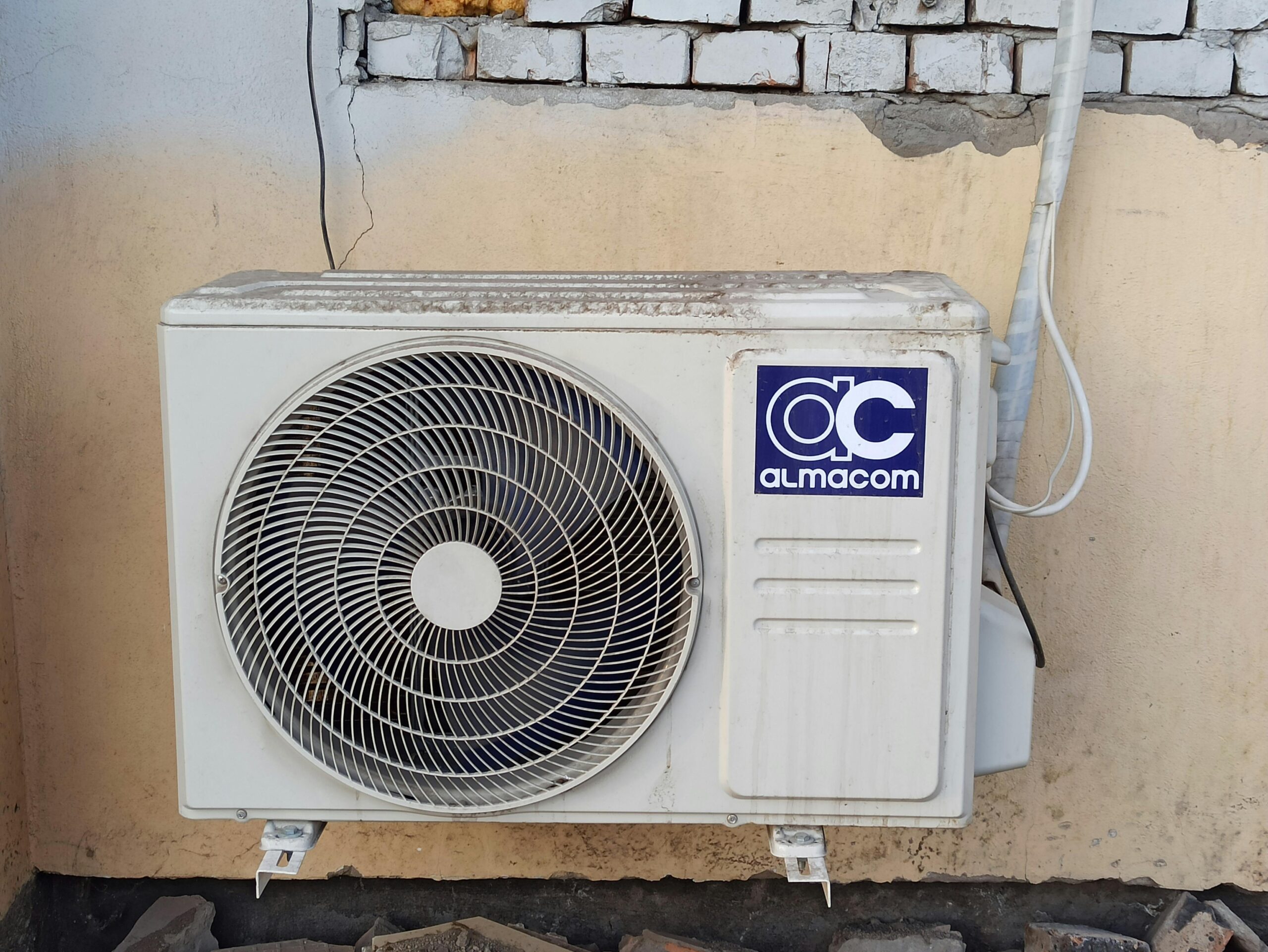
Understanding condensation cycle designs is crucial for anyone seeking peak performance in thermal management systems, from HVAC engineers to industrial equipment designers.

🔄 Decoding the Fundamentals of Condensation Cycles
Condensation cycles form the backbone of modern refrigeration and air conditioning systems. These thermodynamic processes involve the phase change of refrigerants from vapor to liquid, releasing heat in the process. The efficiency of this cycle directly impacts energy consumption, operational costs, and environmental footprint.
At its core, every condensation system must accomplish the same goal: effectively transfer thermal energy from one location to another. However, the methodology employed—whether passive or active—creates significant differences in performance characteristics, maintenance requirements, and overall system efficiency.
The choice between passive and active condensation designs represents more than a technical preference. It influences capital investment, long-term operational expenses, system reliability, and environmental compliance. Understanding these distinctions empowers stakeholders to make informed decisions aligned with their specific operational contexts.
⚡ Active Condensation Cycle Designs: Power and Precision
Active condensation systems leverage mechanical components to force refrigerant circulation and enhance heat transfer rates. These designs typically incorporate compressors, pumps, or fans that actively move fluids through the system, enabling precise control over condensation processes.
The Mechanical Advantage of Active Systems
Active condensation cycles excel in situations demanding high heat rejection rates within compact spaces. By mechanically forcing air or liquid across condenser surfaces, these systems achieve superior heat transfer coefficients compared to their passive counterparts. This capability proves invaluable in high-density applications where spatial constraints limit natural convection opportunities.
The controlled nature of active systems enables real-time adjustment to varying load conditions. Variable-speed fans and pumps can modulate their output based on instantaneous cooling demands, maintaining optimal operating temperatures across diverse operational scenarios. This adaptability translates to consistent performance regardless of external environmental fluctuations.
Energy Consumption Considerations
While active systems deliver impressive performance metrics, they inherently consume additional electrical energy to power their mechanical components. Compressors, circulation pumps, and forced-draft fans all draw power continuously during operation. This parasitic load must be factored into overall efficiency calculations and operational cost projections.
Modern active designs increasingly incorporate intelligent controls and variable-frequency drives to minimize unnecessary energy expenditure. These technological enhancements allow systems to operate at reduced capacity during periods of lower demand, significantly improving part-load efficiency—a critical consideration since most systems spend considerable time operating below maximum capacity.
Maintenance Requirements and System Complexity
Active condensation systems introduce additional components that require periodic maintenance and eventual replacement. Motors, bearings, belts, and electronic controls all have finite service lives. Scheduled maintenance protocols become essential to prevent unexpected failures and maintain design efficiency levels.
The complexity of active systems also demands more sophisticated monitoring and diagnostic capabilities. Temperature sensors, pressure transducers, and control algorithms work in concert to optimize performance, but this technological sophistication requires knowledgeable technicians capable of troubleshooting multifaceted issues.
🌊 Passive Condensation Cycle Designs: Elegance in Simplicity
Passive condensation systems harness natural physical phenomena—primarily natural convection and radiation—to accomplish heat rejection without mechanical assistance. These designs represent the epitome of simplicity, relying on fundamental thermodynamic principles rather than energy-consuming machinery.
Natural Convection and Heat Transfer Mechanisms
Passive systems depend on density differences created by temperature gradients to drive fluid circulation. As heated refrigerant vapor rises and releases thermal energy to cooler surroundings, it condenses and descends, creating a continuous circulation loop without requiring pumps or compressors for fluid movement within the condensation phase.
The heat transfer surfaces in passive designs must be substantially larger than those in active systems to compensate for lower heat transfer coefficients. Extended fin arrays, increased tube lengths, and strategically positioned heat exchangers maximize the surface area exposed to ambient conditions, facilitating adequate heat rejection through natural means.
Zero Parasitic Power Consumption
The most compelling advantage of passive condensation systems lies in their complete elimination of parasitic mechanical loads during the condensation phase. Without fans, pumps, or other powered components in the condenser circuit, these systems consume zero electrical energy for heat rejection, yielding impressive efficiency gains in appropriate applications.
This characteristic makes passive designs particularly attractive for off-grid applications, remote locations, or situations where electrical infrastructure proves unreliable or cost-prohibitive. Solar-powered refrigeration systems and thermosyphon-based heat pipes exemplify successful implementations of passive condensation principles.
Limitations and Environmental Dependencies
Passive systems face inherent limitations dictated by prevailing environmental conditions. Condensation effectiveness depends directly on ambient temperature differentials and air movement patterns. During hot weather or in poorly ventilated spaces, passive systems may struggle to achieve adequate heat rejection rates.
The spatial requirements of passive designs often exceed those of active systems significantly. Larger heat exchanger surfaces and strategic positioning requirements can pose challenges in space-constrained installations. Architectural integration must be considered early in the design phase to accommodate these dimensional demands.
📊 Performance Metrics: A Comparative Analysis
Evaluating condensation cycle designs requires examining multiple performance indicators beyond simple efficiency calculations. Coefficient of Performance (COP), Energy Efficiency Ratio (EER), and total lifecycle costs all contribute to comprehensive system assessment.
| Performance Aspect | Active Systems | Passive Systems |
|---|---|---|
| Heat Rejection Rate | High (per unit area) | Moderate (requires larger area) |
| Electrical Consumption | Higher (includes parasitic loads) | Lower (condenser phase only) |
| Initial Capital Cost | Moderate to High | Low to Moderate |
| Maintenance Requirements | Regular, technical | Minimal |
| Operational Reliability | Good (with maintenance) | Excellent |
| Environmental Adaptability | Excellent | Limited by conditions |
Real-World Efficiency Under Variable Conditions
Laboratory performance specifications rarely reflect actual operational efficiency. Active systems maintain relatively consistent performance across varying ambient conditions, while passive designs experience significant efficiency fluctuations based on environmental factors.
Seasonal variations present particular challenges for passive systems. Winter operations may yield exceptional efficiency as cold ambient air enhances natural convection, while summer conditions can severely degrade performance. Active systems mitigate these fluctuations through adjustable mechanical assistance, maintaining more uniform year-round performance.
💰 Economic Considerations and Total Cost of Ownership
Initial purchase price represents only a fraction of total system costs over operational lifespans typically spanning 15-25 years. Comprehensive economic analysis must account for energy consumption, maintenance expenses, component replacements, and potential downtime costs.
Lifecycle Cost Modeling
Active systems generally command higher upfront capital expenditures due to mechanical components, control systems, and installation complexity. However, their superior performance in challenging conditions may justify premium pricing in applications where consistent operation proves critical.
Passive systems offer lower initial investments and dramatically reduced maintenance expenses. The absence of mechanical components eliminates entire categories of potential failures and associated repair costs. For applications with suitable environmental conditions and space availability, passive designs frequently demonstrate superior return on investment.
Energy Cost Projections
Rising electricity rates amplify the long-term cost advantages of passive condensation designs. As utility expenses increase over system lifespans, the cumulative savings from eliminated parasitic loads become increasingly significant. Financial modeling should incorporate projected energy price escalation to accurately reflect future operational costs.
Conversely, active systems may achieve better overall efficiency in their primary refrigeration cycle, potentially offsetting condenser fan power consumption through improved compressor performance. Whole-system analysis proves essential rather than isolated component evaluation.
🌍 Environmental Impact and Sustainability Factors
Contemporary system design cannot ignore environmental considerations. Carbon footprint, refrigerant selection, and overall resource consumption increasingly influence design decisions alongside traditional performance metrics.
Carbon Emissions and Green Building Standards
Passive systems inherently generate fewer carbon emissions during operation due to reduced electricity consumption. This characteristic aligns well with green building certifications like LEED, BREEAM, and various national energy codes promoting sustainable construction practices.
Active systems can still achieve favorable environmental profiles through strategic design choices. High-efficiency motors, optimized control algorithms, and integration with renewable energy sources help mitigate operational carbon footprints. When powered by solar or wind generation, active systems lose much of their environmental disadvantage.
Refrigerant Considerations
Both passive and active condensation designs must address refrigerant selection and containment. Modern low-GWP (Global Warming Potential) refrigerants perform differently than legacy compounds, potentially affecting the relative performance of various condensation strategies. System designers must evaluate refrigerant thermophysical properties within their specific condensation architecture.
🔧 Application-Specific Design Selection Strategies
Neither passive nor active condensation designs universally outperform the other across all applications. Optimal selection depends on carefully analyzing operational requirements, environmental conditions, spatial constraints, and economic priorities.
When Active Systems Excel
- High-density installations with severe spatial limitations
- Environments with poor natural ventilation or high ambient temperatures
- Applications requiring precise temperature control regardless of external conditions
- Situations where operational uptime justifies higher maintenance investments
- Commercial refrigeration with variable load profiles demanding responsive capacity modulation
Ideal Passive System Applications
- Off-grid installations lacking reliable electrical infrastructure
- Locations with favorable ambient conditions and adequate ventilation
- Applications prioritizing minimal maintenance and maximum reliability
- Situations with ample available space for larger heat exchanger surfaces
- Residential systems in moderate climates where environmental conditions remain favorable
🚀 Emerging Hybrid Technologies and Future Directions
Innovative engineering increasingly blurs traditional boundaries between passive and active designs. Hybrid systems incorporate elements of both approaches, leveraging mechanical assistance only when natural convection proves insufficient.
Intelligent Adaptive Systems
Modern hybrid designs employ sensors and controllers to engage mechanical assistance selectively. During periods of favorable ambient conditions, systems operate in purely passive mode, eliminating parasitic loads. When environmental factors degrade passive performance below acceptable thresholds, variable-speed fans activate incrementally, providing just enough assistance to maintain target temperatures.
This intelligent modulation maximizes efficiency by operating in the most economical mode possible given instantaneous conditions. Over annual cycles, hybrid systems frequently achieve superior performance compared to purely passive or active alternatives.
Advanced Materials and Enhanced Surfaces
Material science innovations continue expanding passive system capabilities. Enhanced boiling and condensation surfaces featuring micro-structured topographies dramatically improve heat transfer coefficients without mechanical assistance. Graphene-enhanced thermal interfaces and phase-change materials represent frontier technologies promising to narrow performance gaps between passive and active designs.

🎯 Making the Right Choice for Your Application
Selecting between passive and active condensation cycle designs requires holistic assessment of technical requirements, economic constraints, and operational priorities. Neither approach universally dominates; each excels within appropriate contexts.
Begin by thoroughly characterizing your operational environment, including ambient temperature ranges, ventilation conditions, and spatial availability. Quantify performance requirements across seasonal variations and anticipated load profiles. Develop comprehensive lifecycle cost models incorporating realistic energy price projections and maintenance expense estimates.
Consider hybrid solutions that combine passive and active elements to optimize performance across diverse operating conditions. Engage experienced thermal engineers familiar with both design philosophies to explore application-specific optimizations that may not be apparent from generic comparisons.
Ultimately, maximizing efficiency requires matching system characteristics to operational realities. The “ultimate showdown” between passive and active condensation designs doesn’t produce a single victor—instead, it reveals that thoughtful selection based on specific requirements yields optimal outcomes. By understanding the strengths, limitations, and appropriate applications of each approach, you can design or specify condensation systems that deliver superior performance, economic value, and environmental responsibility.