
Access to clean drinking water remains one of humanity’s greatest challenges, especially in remote regions where traditional infrastructure fails to reach. Combining renewable energy with desalination technology offers a revolutionary path forward.

🌊 The Global Water Crisis Meets Off-Grid Innovation
More than 2 billion people worldwide lack access to safely managed drinking water services. Coastal communities and island nations face a particular paradox: surrounded by water yet unable to drink it. Traditional desalination plants require massive amounts of electricity, making them economically unfeasible for remote locations. This is where renewable energy-powered desalination becomes a game-changer.
Off-grid desalination systems powered by solar and wind energy represent more than just technological innovation—they embody self-sufficiency and environmental responsibility. These systems eliminate dependence on fossil fuels while providing life-sustaining fresh water in areas where conventional solutions simply cannot operate.
Understanding Desalination Technology Basics
Desalination removes dissolved salts and minerals from seawater or brackish water, making it suitable for human consumption and agriculture. Two primary methods dominate the field: reverse osmosis (RO) and thermal distillation. Each approach has distinct energy requirements and operational characteristics that influence their compatibility with renewable power sources.
Reverse osmosis forces saltwater through semi-permeable membranes at high pressure, separating pure water from dissolved solids. This process requires significant electrical energy but operates efficiently at smaller scales, making it ideal for off-grid applications. Thermal desalination, conversely, heats water to produce steam, leaving salts behind—a process better suited for larger installations with consistent heat sources.
Why Renewable Energy and Desalination Are Perfect Partners
The marriage between renewable energy and desalination addresses two critical challenges simultaneously. Remote coastal areas often have abundant solar radiation and wind resources but lack electrical grid connections. Meanwhile, desalination’s energy intensity has historically limited its deployment to wealthy nations with robust power infrastructure.
Solar and wind resources frequently peak in water-scarce regions. The world’s most arid coastal zones receive intense sunlight, while island communities often experience steady ocean breezes. This natural alignment makes renewable-powered desalination not just viable but optimal for these locations.
☀️ Solar-Powered Desalination Systems
Solar energy offers two distinct pathways for desalination: photovoltaic (PV) systems that generate electricity for mechanical processes, and solar thermal systems that directly heat water. Each approach presents unique advantages depending on local conditions, water quality requirements, and available resources.
Photovoltaic Reverse Osmosis Systems
PV-powered reverse osmosis represents the most common off-grid desalination configuration. Solar panels convert sunlight into electricity, which powers high-pressure pumps that force seawater through RO membranes. Modern systems incorporate energy recovery devices that capture pressure from the brine waste stream, improving overall efficiency by 30-60%.
These systems scale remarkably well. Small household units producing 50-200 liters daily serve individual families, while community systems can generate thousands of liters for entire villages. Battery storage extends operation beyond daylight hours, though many installations operate only during peak solar hours when energy is most abundant and free.
Solar Thermal Distillation Methods
Solar stills use direct sunlight to evaporate water, leaving salts behind as vapor condenses into pure water. Simple basin stills have provided emergency water for centuries, but modern solar thermal desalination employs sophisticated multi-effect distillation (MED) and multi-stage flash (MSF) designs that dramatically increase efficiency.
These systems work particularly well in high-temperature environments with intense solar radiation. While typically producing less water per square meter than PV-RO systems, solar thermal desalination requires minimal maintenance and uses no electricity, making it exceptionally reliable for communities with limited technical expertise.
💨 Wind-Powered Water Purification Solutions
Wind energy provides consistent power generation in coastal regions where steady breezes are common. Wind turbines convert kinetic energy into electricity that drives desalination pumps, offering 24-hour operation potential that solar systems cannot match without expensive battery storage.
Wind-Driven Reverse Osmosis
Small to medium-sized wind turbines paired with RO systems have demonstrated remarkable success in island communities. These installations typically incorporate battery banks or ultracapacitors to smooth power fluctuations and maintain consistent pressure during variable wind conditions. Advanced control systems adjust pump speeds to match available power, maximizing water production while protecting sensitive membrane elements.
Wind desalination systems particularly excel in locations with regular trade winds or sea breezes. Island nations in the Caribbean, Pacific, and Mediterranean have deployed these technologies successfully, reducing diesel fuel consumption while securing water independence.
Hybrid Wind-Solar Configurations
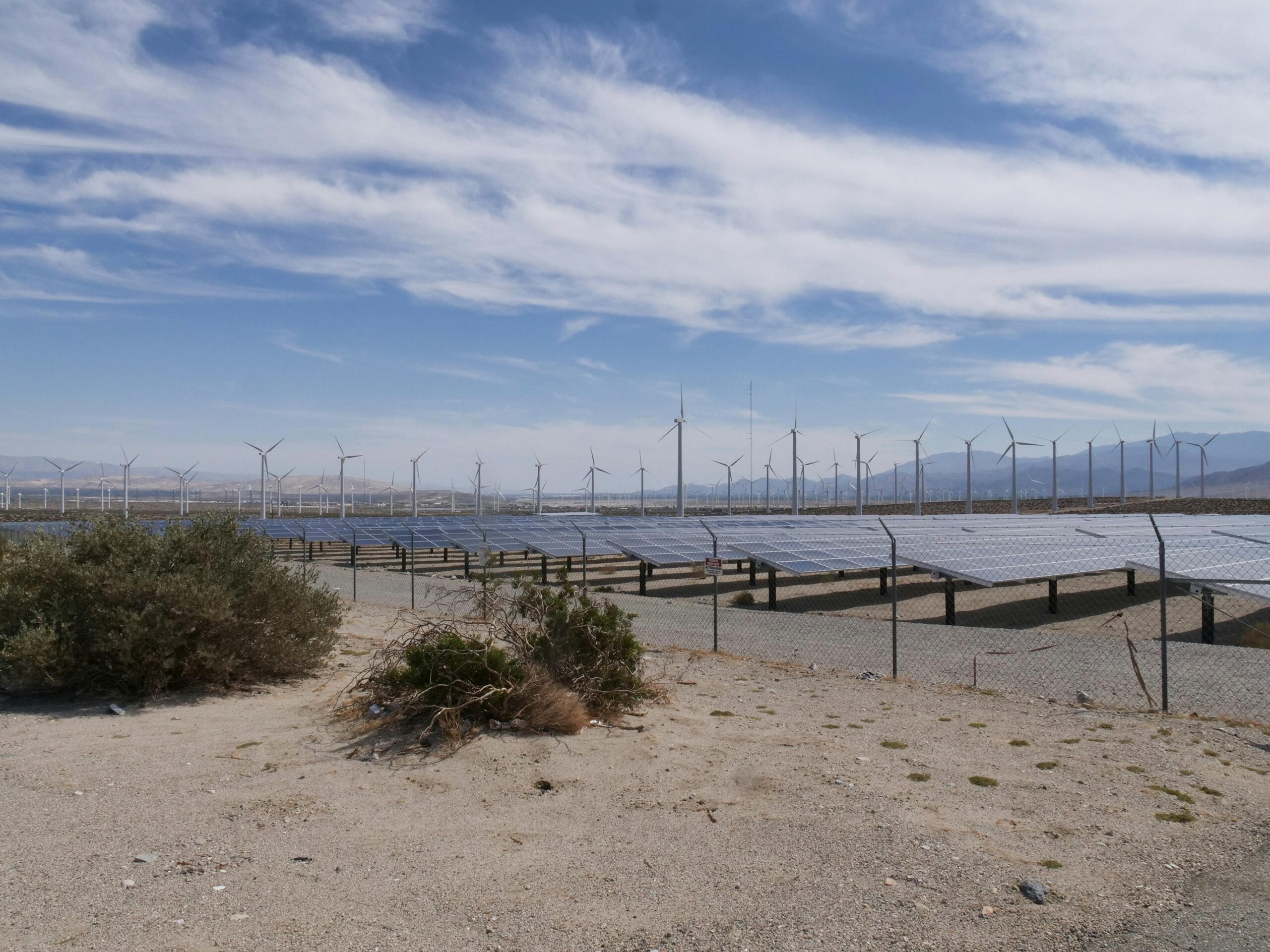
Combining wind and solar resources creates more reliable off-grid power systems. Solar production peaks during midday while coastal winds often strengthen during morning and evening hours, creating complementary generation patterns. This synergy reduces battery storage requirements and increases overall system uptime.
Hybrid systems also provide redundancy—if one energy source underperforms due to weather conditions, the other compensates. This reliability proves critical for communities depending entirely on desalinated water for survival.
🔧 Key Components of Off-Grid Desalination Systems
Successful off-grid desalination requires careful integration of multiple components. Understanding each element helps communities and organizations design systems matched to their specific needs and environmental conditions.
- Energy generation equipment: Solar panels, wind turbines, or hybrid configurations sized to meet desalination power demands
- Energy storage: Battery banks, ultracapacitors, or elevated water storage for gravitational potential energy
- Power conditioning: Inverters, charge controllers, and voltage regulators ensuring stable electricity supply
- Pre-treatment systems: Filtration and chemical treatment removing suspended solids and biological contaminants before desalination
- Desalination core: RO membranes with high-pressure pumps, or thermal distillation chambers
- Post-treatment: Remineralization and pH adjustment making water palatable and safe
- Storage facilities: Clean water tanks protecting purified water from recontamination
- Control systems: Automated monitoring adjusting operations based on available energy and water demand
Real-World Success Stories Around the Globe 🌍
Off-grid renewable desalination has moved from experimental concept to proven solution across diverse environments. These case studies demonstrate practical applications and lessons learned from pioneering communities.
Island Communities Leading the Way
The Greek island of Tilos installed a hybrid solar-wind desalination system serving 500 residents. This installation eliminated diesel-powered desalination, reducing carbon emissions by approximately 70 tons annually while cutting water production costs by 40%. The system includes battery storage ensuring 24-hour water availability regardless of weather conditions.
In the Maldives, resort islands have deployed solar-powered RO systems that produce up to 50,000 liters daily. These installations demonstrate that renewable desalination can meet even luxury accommodation standards, producing water that exceeds international drinking water quality guidelines.
Arid Coastal Regions Finding Relief
Remote Australian communities in Western Australia have implemented solar desalination systems serving indigenous populations. These installations provide reliable water access where trucking water over hundreds of kilometers was previously the only option. Solar-powered systems reduced water costs from $15-30 per cubic meter to $3-5, making agriculture and economic development newly viable.
Fishing villages along Chile’s northern coast have adopted small-scale wind desalination systems. These communities previously depended on unreliable deliveries over difficult terrain. Now, local water production supports both residential needs and fish processing operations, strengthening economic resilience.
💰 Economic Considerations and Cost-Effectiveness
Initial investment in renewable-powered desalination systems exceeds conventional diesel-powered alternatives. However, lifetime cost analysis consistently favors renewable systems due to eliminated fuel costs, reduced maintenance requirements, and extended operational lifespans.
Solar panel costs have declined by over 90% since 2010, making PV-powered desalination increasingly competitive. Wind turbine prices have similarly decreased while efficiency has improved. These trends continue accelerating renewable desalination adoption worldwide.
Calculating True Water Production Costs
Comprehensive cost analysis must consider multiple factors beyond initial equipment purchase. Fuel transportation to remote locations often doubles or triples delivered diesel costs. Maintenance technicians may require expensive travel to access isolated installations. Equipment replacement cycles favor renewable systems—solar panels typically last 25-30 years while diesel generators require replacement after 10,000-20,000 operating hours.
| System Type | Initial Cost (1000L/day) | Annual Operating Cost | 20-Year Total Cost |
|---|---|---|---|
| Diesel RO | $15,000-25,000 | $8,000-12,000 | $175,000-265,000 |
| Solar PV RO | $35,000-50,000 | $1,500-3,000 | $65,000-110,000 |
| Wind RO | $40,000-60,000 | $2,000-4,000 | $80,000-140,000 |
| Solar Thermal | $25,000-40,000 | $800-2,000 | $41,000-80,000 |
These figures demonstrate that renewable systems typically achieve payback within 5-10 years, after which water production costs decrease dramatically compared to fuel-dependent alternatives.
Environmental Benefits Beyond Carbon Reduction
Renewable-powered desalination delivers environmental advantages extending far beyond eliminated greenhouse gas emissions. Traditional diesel systems risk fuel spills contaminating precious coastal ecosystems. Noisy generators disturb wildlife and reduce quality of life in small communities. Renewable systems operate silently and cleanly, preserving environmental integrity.
Properly designed systems also minimize brine discharge impacts. Concentrated saltwater returned to the ocean requires careful management, but renewable-powered facilities often incorporate innovative brine management solutions. Some systems evaporate brine in solar ponds, producing salt for commercial sale. Others dilute concentrated streams before discharge, reducing salinity impacts on marine life.
🛠️ Installation and Maintenance Requirements
Successful off-grid desalination requires more than purchasing equipment—proper installation, community training, and ongoing maintenance determine long-term success. Many promising projects have failed due to inadequate attention to these critical factors.
Site Assessment and System Design
Thorough site evaluation identifies optimal configurations. Solar resource assessment measures available sunlight using pyranometers or historical meteorological data. Wind resource evaluation requires anemometer data collection, ideally for 12 months at the planned turbine height. Water quality analysis determines necessary pre-treatment and membrane selection.
System sizing balances water demand patterns against energy availability. Oversized systems waste capital while undersized installations fail to meet community needs. Professional designers use specialized software modeling energy generation and water production across seasonal variations.
Training Local Operators
Community ownership and capability determine sustainability. Training programs should cover daily operations, basic troubleshooting, routine maintenance tasks, and when to request outside technical support. Successful projects invest heavily in building local expertise rather than creating dependence on distant experts.
Documentation in local languages with clear visual guides helps operators maintain systems properly. Remote monitoring systems enable expert technicians to diagnose problems and guide local staff through repairs, reducing downtime and service costs.
Overcoming Technical Challenges and Limitations
Despite tremendous advantages, off-grid renewable desalination faces genuine challenges that require honest acknowledgment and creative solutions. Energy intermittency tops the list—clouds, calm days, and nighttime periods reduce or eliminate generation. Battery storage addresses this limitation but adds significant cost and maintenance complexity.
Membrane fouling remains problematic in systems processing seawater with high biological activity or suspended sediment loads. Effective pre-treatment removes most contaminants, but periodic membrane cleaning or replacement remains necessary. Remote locations may struggle accessing specialized chemicals and replacement membranes, requiring robust supply chains.
Innovations Addressing Current Limitations
Emerging technologies promise to overcome existing barriers. Advanced membrane materials resist fouling while operating at lower pressures, reducing energy requirements. Graphene-based membranes currently in development could potentially slash energy consumption by 60% compared to conventional polymeric membranes.
Machine learning algorithms optimize system performance by predicting energy availability and adjusting operations proactively. These intelligent control systems maximize water production while extending equipment life through gentle operation during marginal conditions.
🚀 Future Horizons for Renewable Desalination
The convergence of declining renewable energy costs, improving desalination efficiency, and increasing water scarcity positions this technology for explosive growth. Market analysts project the renewable desalination sector will expand at 15-20% annually through 2035, with off-grid applications leading growth.
Modular containerized systems are emerging that integrate all components into shipping container-sized packages. These plug-and-play solutions simplify deployment to remote locations, reducing installation time from months to days. Disaster relief organizations are already deploying these mobile units to areas struck by hurricanes, tsunamis, and other catastrophes.
Integration with Smart Agriculture
Forward-thinking projects combine water production with greenhouse agriculture, creating integrated food-water-energy systems. Desalinated water irrigates crops while waste heat from power systems warms greenhouses. These synergistic designs maximize resource efficiency while building community food security alongside water independence.
Making Clean Water Accessible to All
Renewable-powered off-grid desalination represents more than technological achievement—it embodies the possibility of universal water access. As systems become more affordable and reliable, communities worldwide can escape water poverty without sacrificing environmental health or economic sustainability.
Government policies supporting renewable desalination deployment accelerate adoption. Subsidies, tax incentives, and technical assistance programs help communities overcome initial cost barriers. International development organizations increasingly prioritize these sustainable solutions over temporary interventions that create long-term dependencies.
The path toward global water security runs through innovations like solar and wind-powered desalination. By harnessing freely available renewable energy to unlock the ocean’s vast water resources, humanity can finally ensure that clean water becomes a universal reality rather than a distant dream. The technology exists today—what remains is the collective will to deploy it wherever it’s needed most.