
Water scarcity threatens global food security, but desalination technology offers a groundbreaking solution to transform agricultural irrigation and unlock unprecedented crop productivity across arid regions worldwide.

🌊 Understanding Desalination’s Agricultural Revolution
The intersection of desalination technology and modern agriculture represents one of the most promising frontiers in sustainable farming. As freshwater resources continue to dwindle globally, agricultural sectors face mounting pressure to find innovative solutions that can sustain crop production without depleting precious aquifers or competing with municipal water demands. Desalination, once considered prohibitively expensive for farming applications, has evolved dramatically over recent decades.
Today’s desalination systems convert seawater and brackish groundwater into irrigation-grade water with remarkable efficiency. This transformation isn’t merely about removing salt—it’s about reimagining how we approach water management in agriculture. Countries like Israel, Saudi Arabia, and Australia have already demonstrated that desalinated water can successfully support thriving agricultural economies, even in regions where conventional farming would be impossible.
The technology has matured significantly, with reverse osmosis systems now achieving energy consumption rates below 3 kWh per cubic meter of water produced. When coupled with renewable energy sources such as solar or wind power, desalination creates a sustainable pathway for agricultural expansion that doesn’t compromise environmental integrity or drain fossil fuel reserves.
💧 The Science Behind Agricultural Desalination
Desalination for agriculture differs substantially from systems designed for drinking water. Agricultural applications can tolerate higher salinity levels—typically between 500 and 1,500 parts per million total dissolved solids—compared to the stringent requirements for potable water. This flexibility allows for more cost-effective treatment processes and reduced energy consumption.
Several desalination technologies serve agricultural purposes effectively. Reverse osmosis remains the most widely adopted method, forcing water through semi-permeable membranes that reject salt molecules while allowing water to pass through. Electrodialysis reversal offers advantages for brackish water treatment, using electric currents to separate ions from water molecules. Meanwhile, emerging technologies like forward osmosis and membrane distillation show promise for specific agricultural applications.
The critical factor determining desalination feasibility for irrigation lies in the total cost per cubic meter delivered to crops. This calculation encompasses capital expenditure on equipment, ongoing operational costs including energy and maintenance, and the infrastructure required to distribute treated water across farming operations. Advanced monitoring systems now enable farmers to optimize these parameters continuously.
Energy Efficiency Breakthroughs
Energy consumption historically represented the primary barrier to agricultural desalination adoption. However, recent technological advances have dramatically reduced power requirements. Energy recovery devices now recapture up to 98% of the pressure energy from concentrated brine streams, recycling it back into the system. Variable frequency drives optimize pump operations according to real-time demand, eliminating wasteful energy expenditure during low-usage periods.
Solar-powered desalination systems have emerged as particularly promising for agricultural applications. Photovoltaic arrays can be integrated directly into farm infrastructure, potentially installed above crop fields to provide dual benefits of power generation and shade for certain crop varieties. This integration creates synergistic systems where the same infrastructure serves multiple agricultural functions simultaneously.
🌱 Impact on Crop Yields and Quality
The quality of irrigation water profoundly influences both crop productivity and agricultural product quality. Desalinated water offers farmers unprecedented control over water chemistry, enabling precise adjustment of mineral content to match specific crop requirements. This precision agriculture approach optimizes plant nutrition while preventing the salt accumulation in soils that plagues conventional irrigation in arid regions.
Research conducted across multiple agricultural zones demonstrates that crops irrigated with properly treated desalinated water often exhibit superior growth characteristics compared to those receiving standard groundwater. Tomatoes, cucumbers, peppers, and leafy greens show particularly positive responses, with some studies documenting yield increases of 15-30% when transitioning from brackish groundwater to desalinated irrigation water.
The consistency of desalinated water quality provides another significant advantage. Unlike river water or groundwater sources that fluctuate seasonally in composition, desalinated supplies maintain stable characteristics year-round. This predictability allows farmers to develop refined irrigation protocols tailored to each growth stage, maximizing photosynthetic efficiency and resource utilization throughout the cultivation cycle.
Soil Health Preservation
Long-term soil sustainability represents perhaps the most compelling argument for agricultural desalination. Traditional irrigation with marginally saline water inevitably deposits salt in soil profiles, gradually degrading agricultural land productivity. This process, known as soil salinization, has rendered millions of hectares worldwide unsuitable for farming and continues to threaten productive agricultural regions.
Desalinated irrigation water reverses this trajectory. By providing salt-free water, farmers can actually leach existing salt deposits from soil profiles, rehabilitating previously degraded land. Combined with appropriate drainage systems and soil management practices, desalination-based irrigation creates regenerative agricultural systems that improve rather than deplete the resource base over time.
💰 Economic Considerations and Return on Investment
The economics of agricultural desalination have transformed dramatically over the past two decades. Technological improvements, economy of scale benefits, and declining renewable energy costs have collectively reduced the delivered cost of desalinated irrigation water to levels competitive with conventional sources in many contexts. A comprehensive economic analysis must consider multiple factors beyond simple water cost comparisons.
Capital investment requirements vary substantially based on system scale, water source salinity, and local conditions. Small-scale operations serving 10-50 hectares might install modular systems for $200,000-$500,000, while large agricultural enterprises may invest millions in centralized facilities. However, these expenditures must be evaluated against the value of reliable water supplies that enable consistent production regardless of rainfall variability or aquifer depletion.
Operating costs encompass energy consumption, membrane replacement, chemical inputs for pretreatment, and maintenance labor. Energy typically represents 40-60% of operational expenses, making the integration of renewable power sources particularly attractive. Membrane lifespans now regularly exceed 7-10 years with proper operation, reducing one of the historically significant recurring costs.
Financing Models and Incentives
Innovative financing approaches have emerged to make agricultural desalination accessible to diverse farming operations. Water-as-a-service models allow farmers to purchase treated water without capital investment in desalination infrastructure, with specialized companies owning and operating facilities. Government subsidies and agricultural development programs in many countries now specifically support desalination projects, recognizing their strategic importance for food security.
The return on investment calculation extends beyond direct crop revenue. Farmers gain insurance against drought conditions, the ability to expand cultivation into previously unsuitable areas, and increased land values reflecting reliable water availability. These factors often justify desalination investments even when simple cost-per-cubic-meter comparisons appear marginal.
🌍 Global Implementation Success Stories
Israel stands as the global pioneer in agricultural desalination, with approximately 80% of domestic water supply now sourced from desalination facilities. Israeli farmers have refined techniques for using desalinated water in sophisticated drip irrigation systems, achieving extraordinary productivity in desert environments. The country exports over $2 billion in agricultural products annually, despite having minimal rainfall and scarce freshwater resources.
Saudi Arabia has invested heavily in agricultural desalination as part of its food security strategy. Large-scale facilities supply water to extensive greenhouse operations producing tomatoes, cucumbers, and peppers for domestic consumption and export. The integration of desalination with controlled-environment agriculture creates highly efficient systems that minimize both water and energy consumption per kilogram of food produced.
Australia’s experience with agricultural desalination demonstrates adaptation to varied conditions. Following severe droughts in the early 2000s, numerous farms implemented small to medium-scale desalination systems treating brackish groundwater. Viticulture operations particularly benefited, with consistent water quality improving wine grape characteristics and enabling production expansion in marginal areas.
Emerging Markets and Opportunities
Countries across North Africa, the Middle East, and Central Asia increasingly recognize agricultural desalination’s potential. Morocco has announced ambitious plans to develop desalination capacity specifically for agricultural zones, aiming to reduce pressure on overexploited aquifers. Chile’s northern agricultural regions, facing both water scarcity and copper mining competition for resources, are implementing coastal desalination facilities to supply farming operations.
India represents a massive emerging market for agricultural desalination technology. With extensive coastlines, significant brackish groundwater resources, and urgent food security requirements for 1.4 billion people, the country offers tremendous scaling potential. Several pilot projects have demonstrated technical feasibility, and policy frameworks are evolving to support broader implementation.
🔬 Innovations Shaping the Future
Research institutions and technology companies worldwide are developing next-generation desalination solutions specifically optimized for agricultural applications. Graphene-based membranes promise dramatic efficiency improvements, potentially reducing energy requirements by 50% or more compared to current reverse osmosis systems. These advanced materials exhibit superior water permeability while maintaining excellent salt rejection characteristics.
Capacitive deionization represents an emerging technology particularly suited to brackish water treatment. This electrochemical process removes ions by attracting them to electrically charged electrodes, requiring minimal pressure and potentially lower energy inputs than membrane-based systems. The technology scales flexibly from small farm-level units to large centralized facilities.
Artificial intelligence and machine learning algorithms are revolutionizing desalination plant operations. Predictive maintenance systems analyze sensor data to forecast component failures before they occur, minimizing downtime and repair costs. Optimization algorithms continuously adjust operational parameters to minimize energy consumption while maintaining target water quality specifications.
Integration with Precision Agriculture
The convergence of desalination technology with precision agriculture platforms creates unprecedented opportunities for resource optimization. Soil moisture sensors, weather forecasting systems, and crop growth models integrate with desalination operations to produce exactly the water quantity and quality required at each moment. This integration eliminates waste and maximizes the economic value extracted from each cubic meter of desalinated water.
Blockchain technologies are emerging to create transparent water markets where farmers can trade desalinated water supplies, optimizing regional resource allocation. Smart contracts automatically execute transactions based on predefined parameters, creating liquid markets that efficiently direct water to its highest-value agricultural uses.
🌾 Addressing Environmental Considerations
Responsible implementation of agricultural desalination requires careful attention to environmental impacts, particularly brine disposal. Concentrate streams from desalination contain elevated salt concentrations that require appropriate management to prevent ecosystem damage. Progressive approaches include brine concentration to extract valuable minerals, integration with aquaculture operations that utilize moderate salinity water, and careful ocean discharge following dispersion protocols.
Energy consumption remains an environmental consideration, though renewable energy integration substantially mitigates this concern. Life-cycle assessments increasingly demonstrate that desalination-supported agriculture in arid regions can achieve lower overall environmental footprints than conventional farming in water-rich areas when transportation, land-use change, and other factors are comprehensively evaluated.
Marine intake systems require design considerations to minimize impacts on aquatic organisms. Advanced screening technologies, velocity caps, and strategic intake placement reduce entrainment and impingement of marine life. These protective measures add modest costs but ensure sustainable coexistence between desalination operations and marine ecosystems.
🚀 Implementation Strategies for Modern Farms
Farmers considering desalination adoption should begin with comprehensive water quality testing of available sources, including seawater or brackish groundwater. This analysis determines appropriate treatment technologies and provides the foundation for accurate cost projections. Pilot-scale testing before full implementation allows validation of assumptions and refinement of operational protocols.
System sizing requires careful evaluation of crop water requirements, seasonal demand variations, and expansion plans. Oversizing creates unnecessary capital expense, while undersizing limits productivity potential. Professional agricultural engineers can optimize system specifications to match specific operational contexts and business objectives.
Training farm personnel in desalination system operation ensures optimal performance and longevity. While modern systems incorporate substantial automation, understanding fundamental principles enables effective troubleshooting and informed decision-making when operational adjustments are required.
🌟 Transforming Global Food Security
Agricultural desalination represents far more than a technical solution to water scarcity—it embodies a fundamental reimagining of how humanity can sustainably feed growing populations. As climate change intensifies water stress across agricultural regions, the technology offers resilience against increasing uncertainty. Countries implementing desalination-supported agriculture today position themselves strategically for future food security challenges.
The democratization of desalination technology through declining costs and modular system availability extends benefits beyond large commercial operations. Smallholder farmers in developing countries increasingly access scaled-appropriate systems that transform their productivity and economic prospects. This inclusive technological evolution supports rural development and poverty reduction objectives alongside food production goals.
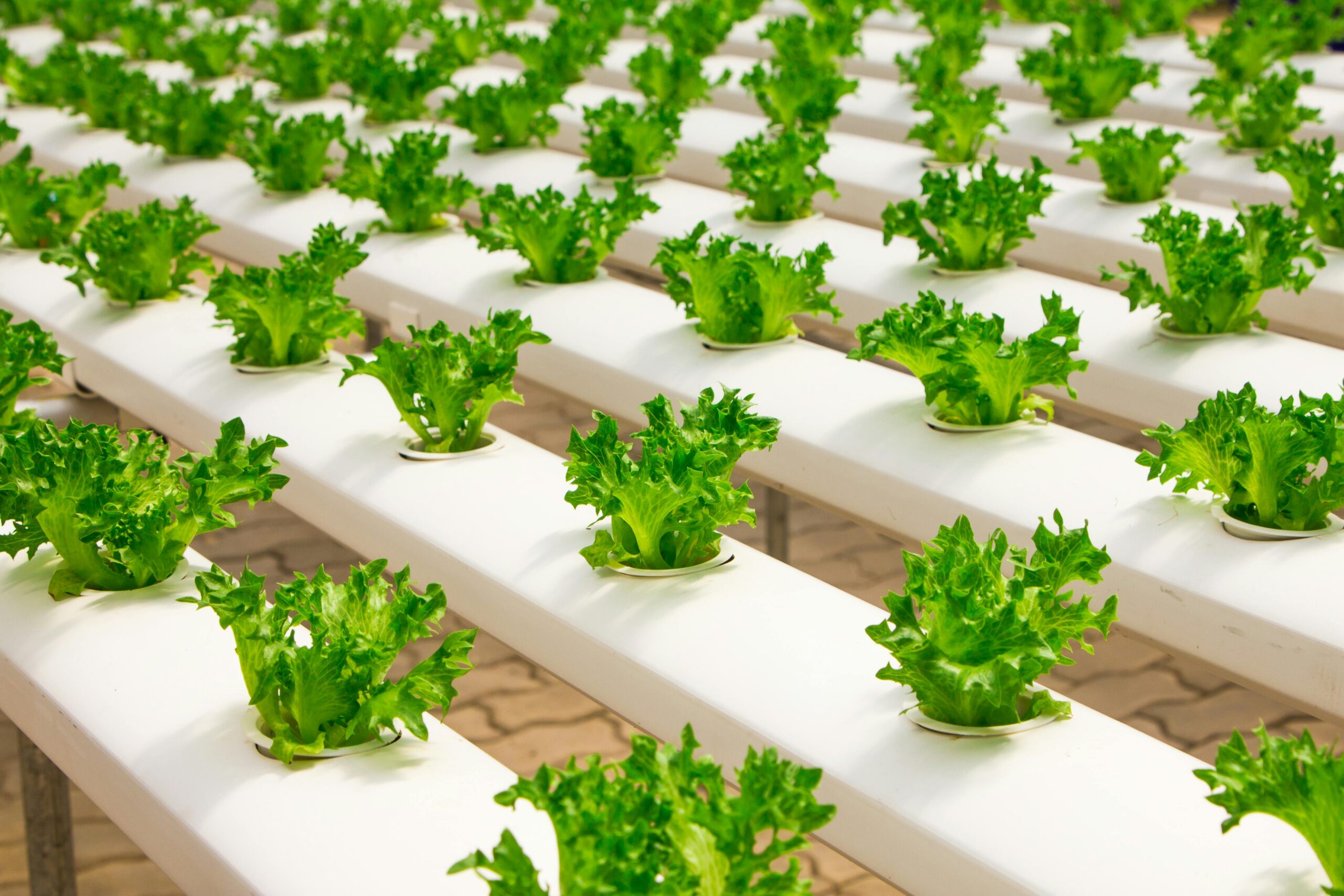
Looking forward, the integration of desalination with controlled-environment agriculture, vertical farming, and cellular agriculture creates synergistic systems that maximize resource efficiency. These converging technologies enable food production in locations previously considered unsuitable, reducing transportation requirements and enhancing supply chain resilience.
The power of desalination to revolutionize agriculture lies not in any single technological breakthrough but in the comprehensive transformation it enables. By liberating farming from freshwater constraints, the technology unlocks human potential to cultivate crops where needed, using renewable resources sustainably. As implementation scales globally and innovations continue advancing, desalination-supported agriculture will increasingly define how humanity nourishes itself in the decades ahead.