Self-cleaning surfaces are transforming how we maintain buildings, vehicles, and everyday objects by minimizing manual labor and reducing long-term costs while maximizing efficiency.

🌟 The Revolutionary Science Behind Self-Cleaning Technology
The concept of self-cleaning surfaces isn’t science fiction anymore—it’s a remarkable reality that’s reshaping our approach to maintenance across countless industries. These innovative materials leverage principles found in nature, particularly the lotus leaf effect, to create surfaces that repel dirt, water, and contaminants without human intervention.
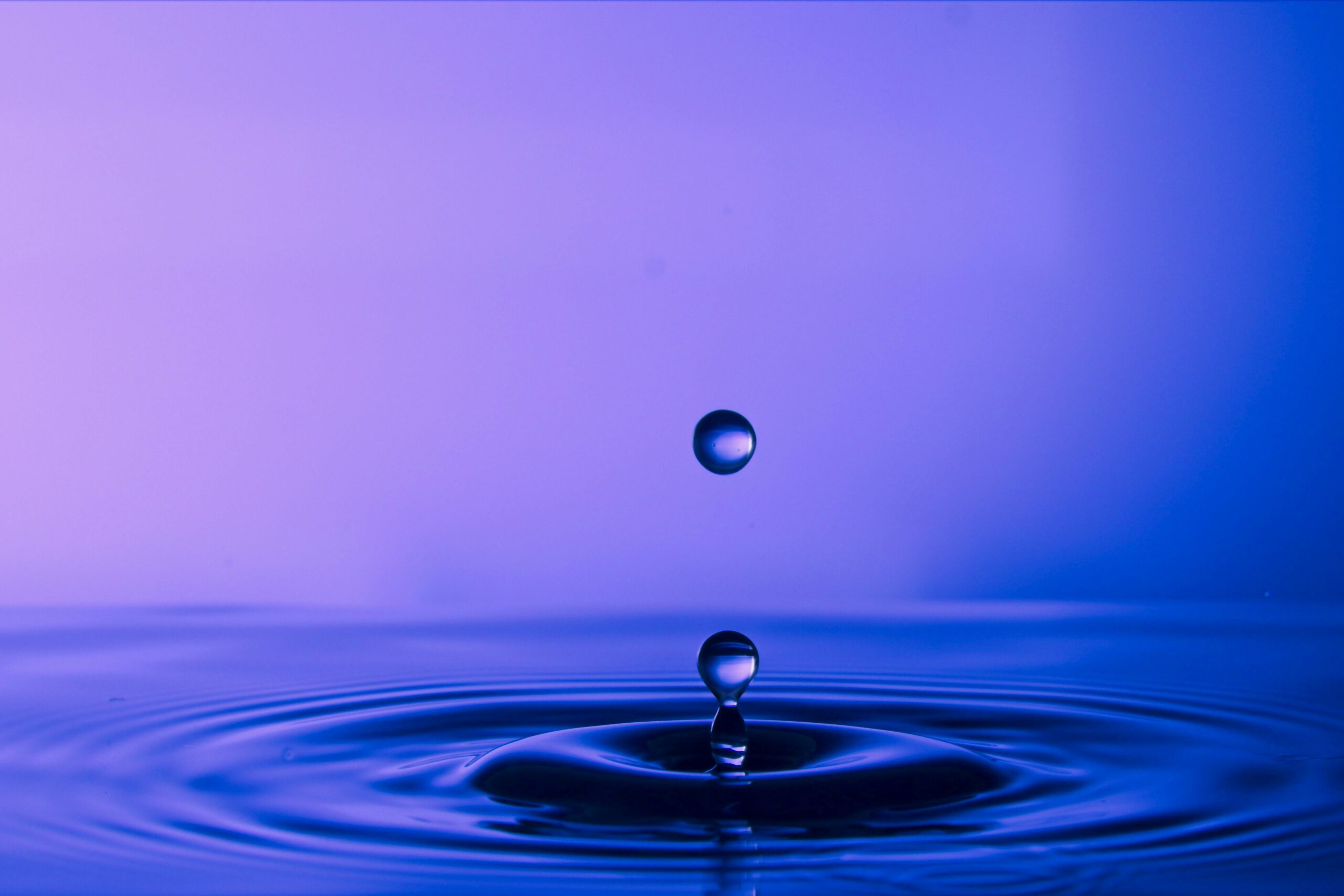
At the molecular level, self-cleaning surfaces work through two primary mechanisms: hydrophobic (water-repelling) and hydrophilic (water-attracting) properties. Hydrophobic surfaces cause water to form tight beads that roll off, carrying away dirt and debris. Conversely, hydrophilic surfaces spread water evenly, creating a thin film that washes away contaminants as it flows.
The lotus leaf, with its microscopic bumps covered in waxy crystals, inspired scientists to develop superhydrophobic coatings. When water contacts these surfaces, it maintains minimal contact area, enabling droplets to pick up particles and roll away effortlessly. This biomimetic approach has opened doors to applications we never imagined possible just decades ago.
🏢 Architectural Applications Transforming Building Maintenance
Modern architecture is embracing self-cleaning technology with enthusiasm, particularly for glass facades that would traditionally require expensive and dangerous manual cleaning operations. Self-cleaning glass incorporates a thin coating of titanium dioxide that breaks down organic dirt when exposed to ultraviolet light through a process called photocatalysis.
This photocatalytic reaction creates a chemical breakdown of organic materials, while the hydrophilic properties ensure that rainwater spreads evenly across the surface, washing away the decomposed dirt without leaving streaks or spots. The result? Skyscrapers that maintain their pristine appearance with significantly less human intervention.
Beyond glass, self-cleaning concrete is gaining traction in urban environments. These specialized concrete formulations use titanium dioxide to break down pollutants, organic matter, and even some bacteria. Buildings constructed with this material actively contribute to cleaner air quality while reducing the frequency of power washing and chemical cleaning treatments.
Cost-Benefit Analysis for Commercial Buildings
The initial investment in self-cleaning surfaces typically ranges from 15% to 30% higher than traditional materials, but the long-term savings are substantial. Commercial building owners report maintenance cost reductions of up to 50% over a ten-year period when implementing these technologies comprehensively.
| Surface Type | Initial Cost Increase | Maintenance Reduction | Break-Even Period |
|---|---|---|---|
| Self-Cleaning Glass | 20-25% | 40-60% | 3-5 years |
| Photocatalytic Concrete | 15-20% | 30-45% | 4-6 years |
| Hydrophobic Coatings | 10-15% | 35-50% | 2-4 years |
🚗 Automotive Industry Innovations for Vehicle Longevity
The automotive sector has eagerly adopted self-cleaning technologies, recognizing that vehicle appearance directly impacts resale value and customer satisfaction. Self-cleaning paint coatings create a protective barrier that prevents dirt, mud, and road grime from adhering firmly to vehicle surfaces.
These advanced coatings utilize nanotechnology to create microscopic surface patterns that minimize contact points with contaminants. When water encounters these surfaces, it beads up and rolls away, taking loose particles with it. This phenomenon dramatically reduces the frequency of car washes while maintaining that showroom shine longer.
Windshields equipped with hydrophobic treatments improve driving safety by ensuring water sheets off quickly during rainfall, enhancing visibility without excessive reliance on windshield wipers. Some manufacturers now include these treatments as standard equipment on premium vehicle models, recognizing their value for customer experience and safety.
Marine Applications Fighting Biofouling
In maritime environments, self-cleaning surfaces address the persistent challenge of biofouling—the accumulation of microorganisms, algae, and barnacles on submerged surfaces. Traditional antifouling paints often contain toxic compounds harmful to marine ecosystems, but new self-cleaning alternatives offer environmentally friendly solutions.
These innovative coatings create surfaces so smooth or textured that marine organisms struggle to establish attachment points. Some formulations incorporate silicone-based materials that reduce adhesion strength, allowing water flow to remove organisms naturally. The environmental and economic benefits are substantial, reducing both ecological harm and fuel consumption from drag resistance.
💡 Solar Panel Efficiency Through Automated Cleaning
Solar energy systems face a persistent challenge: dust, pollen, and bird droppings accumulating on photovoltaic panels can reduce energy production by 20% to 35%. In desert regions or agricultural areas where particulate matter is abundant, this efficiency loss represents significant revenue reduction for solar farm operators.
Self-cleaning coatings for solar panels employ transparent hydrophobic or hydrophilic materials that encourage water—whether from rain or scheduled light rinsing—to carry away accumulated particles. The photocatalytic properties of titanium dioxide-based coatings break down organic residues, ensuring panels maintain maximum light absorption.
Research indicates that solar installations with self-cleaning surfaces maintain 92% to 97% of their maximum efficiency compared to 70% to 85% for untreated panels in similar conditions. This efficiency improvement translates directly to enhanced energy production and faster return on investment for solar projects.
🏥 Healthcare Facilities and Antimicrobial Properties
Hospital-acquired infections remain a critical concern in healthcare environments, prompting intense interest in self-cleaning antimicrobial surfaces. These specialized materials don’t just repel dirt—they actively eliminate bacteria, viruses, and fungi through photocatalytic reactions or copper-based antimicrobial properties.
Surfaces treated with copper nanoparticles or titanium dioxide coatings continuously disrupt microbial cell walls, providing persistent sanitization between manual cleaning cycles. High-touch surfaces like door handles, bed rails, and countertops benefit tremendously from this additional layer of protection.
Studies demonstrate that antimicrobial self-cleaning surfaces reduce bacterial colonization by 80% to 99.9% compared to standard materials. While these surfaces don’t replace rigorous cleaning protocols, they provide crucial supplementary protection that fills gaps between scheduled sanitization procedures.
Implementation Strategies for Medical Environments
- Prioritize high-touch surfaces in patient rooms and surgical areas
- Integrate self-cleaning materials during facility construction or renovation
- Train staff on proper maintenance to preserve coating effectiveness
- Monitor surface performance through regular microbiological testing
- Combine with comprehensive infection control protocols for maximum efficacy
🌍 Environmental Impact and Sustainability Advantages
The environmental credentials of self-cleaning surfaces extend far beyond reduced water consumption for cleaning. By minimizing the need for chemical cleaners, detergents, and disinfectants, these technologies significantly reduce the introduction of harmful substances into water systems and ecosystems.
Traditional cleaning operations consume enormous quantities of water and energy. Commercial buildings in urban centers might use thousands of gallons monthly just for facade maintenance. Self-cleaning surfaces can reduce this water consumption by 60% to 80%, representing substantial conservation in water-stressed regions.
Furthermore, photocatalytic surfaces actively improve air quality by breaking down nitrogen oxides, volatile organic compounds, and other pollutants. Urban areas implementing photocatalytic concrete and coatings report measurable improvements in local air quality, creating healthier environments for residents.
🔬 Emerging Technologies Pushing Boundaries Further
Research laboratories worldwide are developing next-generation self-cleaning materials with capabilities that surpass current commercial offerings. Scientists are exploring surfaces that combine multiple mechanisms—hydrophobic properties, photocatalytic activity, and antimicrobial action—into single integrated systems.
Graphene-based coatings represent one exciting frontier. This ultra-thin carbon material exhibits exceptional strength, transparency, and conductivity while providing remarkable hydrophobic properties. When combined with photocatalytic compounds, graphene coatings could deliver unprecedented self-cleaning performance across diverse applications.
Smart surfaces with responsive properties are also under development. These materials could adjust their hydrophobic or hydrophilic characteristics based on environmental conditions, optimizing self-cleaning performance for varying weather patterns, pollution levels, or usage scenarios.
Nanotechnology’s Role in Surface Innovation
Nanotechnology enables precise control over surface structure at molecular scales, creating patterns and textures impossible through conventional manufacturing. By arranging nanoparticles in specific configurations, researchers can tune surface properties to achieve desired water contact angles, light absorption characteristics, and chemical reactivity.
These nanoscale modifications create surfaces that aren’t just coating-dependent but structurally self-cleaning. Unlike applied coatings that may degrade over time, nanostructured materials maintain their properties throughout the material’s lifespan, offering enhanced durability and consistent performance.
🏠 Residential Applications Simplifying Home Maintenance
Homeowners increasingly recognize the value of self-cleaning technologies for reducing household maintenance burdens. Self-cleaning bathroom fixtures, kitchen surfaces, and exterior materials save hours of weekly cleaning time while maintaining homes in better condition longer.
Toilet bowls with ceramic glazes containing antimicrobial and hydrophilic properties resist staining and bacterial growth, requiring less frequent scrubbing. Shower enclosures treated with hydrophobic coatings shed water and soap residue, preventing the buildup that leads to mold and mildew.
Exterior siding and roofing materials with self-cleaning properties maintain curb appeal without pressure washing. These materials resist algae growth, dirt accumulation, and weathering, preserving property value while reducing maintenance expenses and environmental impact from cleaning operations.
⚙️ Maintenance Requirements for Self-Cleaning Surfaces
Despite their name, self-cleaning surfaces aren’t entirely maintenance-free. Understanding proper care ensures these materials deliver their full potential throughout their expected lifespan. Most self-cleaning coatings remain effective for five to fifteen years depending on environmental conditions and surface type.
Avoid abrasive cleaners or scrubbing tools that could damage the microscopic surface structures responsible for self-cleaning properties. When manual cleaning becomes necessary, use gentle methods with pH-neutral solutions. For photocatalytic surfaces, ensure adequate UV light exposure by cleaning away heavy accumulations that block sunlight.
Regular inspections help identify areas where coating effectiveness may have diminished, allowing for targeted reapplication before performance degrades significantly. Many manufacturers offer recoating services that restore full self-cleaning functionality at a fraction of original installation costs.
📊 Economic Considerations for Large-Scale Implementation
Organizations evaluating self-cleaning surface adoption must consider multiple economic factors beyond initial material costs. Labor savings from reduced cleaning frequency often represent the most significant financial benefit, particularly for buildings with difficult-to-access surfaces requiring specialized equipment or safety measures.
Insurance premiums may decrease when dangerous cleaning operations like high-rise window washing become less frequent. Worker compensation costs decline as cleaning-related injuries decrease. These indirect savings frequently equal or exceed the direct maintenance cost reductions.
Energy efficiency improvements contribute additional savings. Clean solar panels generate more electricity. Clean HVAC components operate more efficiently. Clean building facades reflect or absorb heat more effectively depending on design intent. These compounding benefits create compelling business cases for adoption.
🚀 Future Outlook and Market Growth Projections
The global self-cleaning coatings market continues expanding rapidly, with analysts projecting compound annual growth rates exceeding 25% through 2030. Driving factors include increasing construction activity in developing regions, growing environmental consciousness, and technological improvements that enhance performance while reducing costs.
Regulatory pressures favoring sustainable building practices and reduced chemical usage will likely accelerate adoption. Government incentives for green building technologies already include provisions for self-cleaning materials in some jurisdictions, recognizing their contributions to energy efficiency and environmental protection.
As manufacturing scales increase and competition intensifies, prices for self-cleaning materials will continue declining, making them accessible for broader market segments. What began as premium technologies for high-end applications are becoming standard options for mainstream construction and manufacturing.
🎯 Maximizing Value Through Strategic Implementation
Organizations seeking to leverage self-cleaning technologies should approach implementation strategically rather than attempting wholesale replacement of existing surfaces. Begin by identifying high-impact areas where maintenance challenges are most acute or where safety concerns make current cleaning practices particularly costly or risky.
Pilot projects allow organizations to evaluate performance in their specific environmental conditions before committing to large-scale deployment. These trials provide valuable data on actual maintenance reduction, cost savings, and any unforeseen challenges specific to particular applications or climates.
Partner selection matters significantly. Work with manufacturers and installers who provide comprehensive support including proper surface preparation, application techniques, and ongoing maintenance guidance. The best materials will underperform if improperly applied or maintained.
Self-cleaning surfaces represent a fundamental shift in how we approach maintenance across countless applications. By harnessing principles from nature and advancing them through cutting-edge materials science, these technologies deliver lasting efficiency that reduces costs, conserves resources, and improves outcomes. Whether protecting a skyscraper facade, maintaining solar panel efficiency, or keeping vehicles looking pristine, self-cleaning surfaces demonstrate that the best maintenance strategy might just be building intelligence into materials themselves. As technologies continue advancing and costs decrease, effortless maintenance through self-cleaning surfaces will transition from innovative advantage to essential standard across industries worldwide.