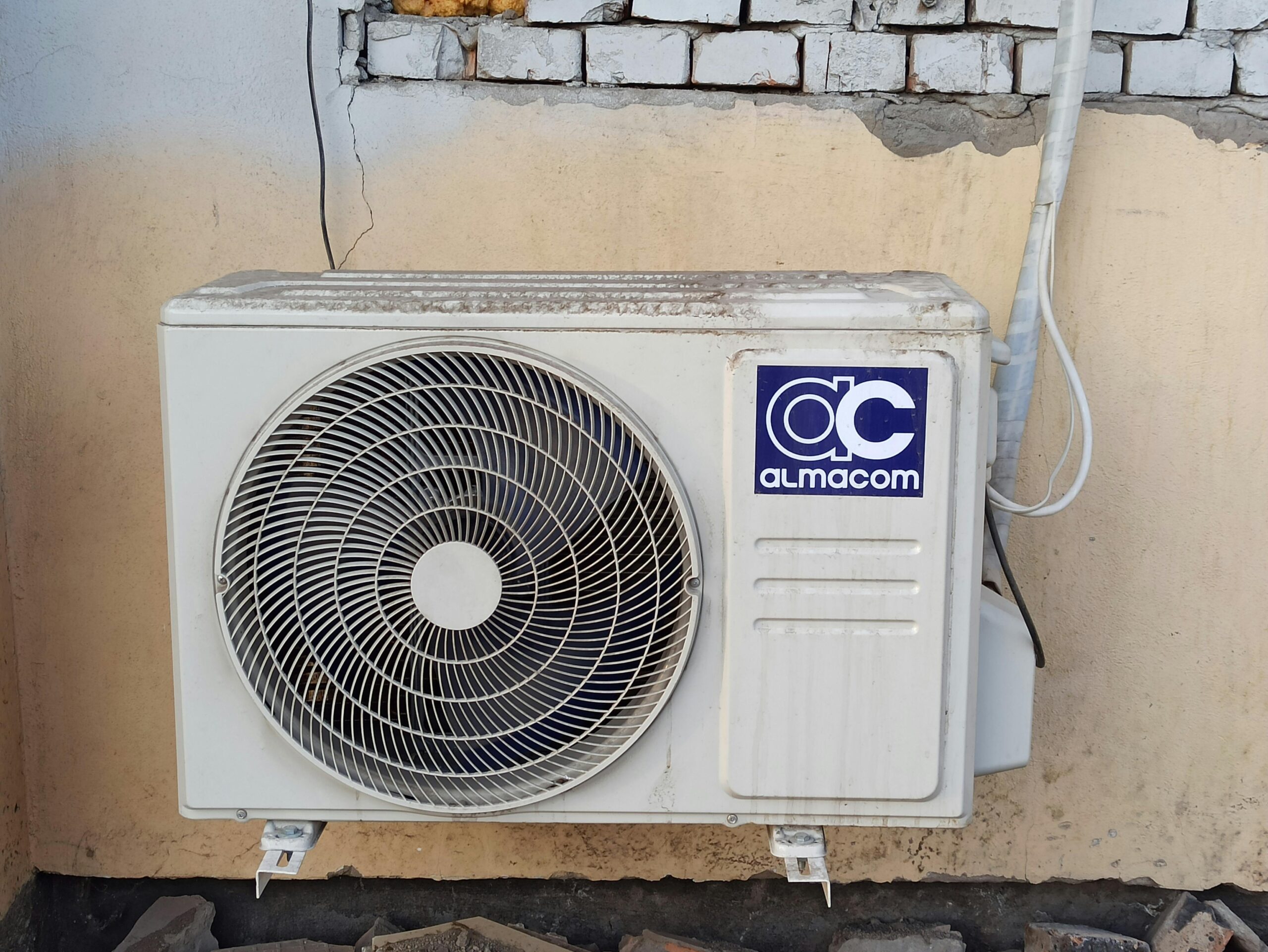
Water scarcity affects billions worldwide, yet innovative atmospheric water harvesting technologies promise a revolutionary solution by extracting moisture directly from air, potentially transforming how communities access this vital resource.

💧 The Rising Demand for Alternative Water Sources
Climate change and population growth have created unprecedented pressure on traditional water sources. Rivers are drying, aquifers depleting, and millions face daily uncertainty about water availability. This crisis demands innovative thinking beyond conventional infrastructure.
Atmospheric water harvesting represents a paradigm shift in water security strategy. Rather than relying solely on rainfall collection or groundwater extraction, this technology taps into an often-overlooked resource: the moisture present in air around us. Even in arid regions, atmospheric humidity contains substantial water that advanced systems can capture and convert into potable water.
The economic implications extend beyond simple water production. Communities implementing atmospheric water generators reduce dependency on expensive water transportation, minimize infrastructure costs, and create resilient systems capable of functioning independently from traditional water networks.
Understanding Atmospheric Water Harvesting Technology
Atmospheric water generation operates through several distinct mechanisms, each with unique economic profiles and operational requirements. The most common approaches include cooling condensation, desiccant-based absorption, and radiative cooling systems.
Cooling condensation systems work similarly to dehumidifiers, drawing air across refrigerated coils where moisture condenses into liquid water. These systems prove highly effective in humid climates but require significant energy input, making electricity costs a critical economic factor.
Desiccant materials offer an alternative approach, absorbing moisture from air even at lower humidity levels. These materials then release captured water when heated, either through solar energy or conventional power sources. The economic advantage lies in their ability to function in drier conditions where condensation systems struggle.
🌍 Geographic Suitability and Climate Considerations
Economic viability varies dramatically based on local climate conditions. Regions with high relative humidity naturally yield more water per unit of energy consumed, improving cost-effectiveness. Coastal areas, tropical zones, and temperate climates generally present the most favorable conditions for atmospheric water harvesting.
However, technological advances continue expanding viable deployment zones. Modern systems equipped with advanced desiccants can operate efficiently even in semi-arid environments, though at higher energy costs per liter produced.
Breaking Down the Economics: Cost Analysis
Understanding the true economic potential requires examining both capital expenditure and operational costs. Initial investment varies widely based on system capacity, technology type, and installation requirements.
Small-scale residential units producing 20-30 liters daily typically cost between $1,000 and $3,000. Commercial systems generating hundreds or thousands of liters daily require investments ranging from $10,000 to several hundred thousand dollars, depending on capacity and sophistication.
Operational Expenses and Energy Consumption
Energy consumption represents the largest ongoing expense for most atmospheric water harvesting systems. Traditional condensation-based generators consume approximately 0.3 to 0.5 kWh per liter in optimal conditions, though this can increase substantially in lower humidity environments.
In regions where electricity costs $0.10 per kWh, water production costs range from $0.03 to $0.05 per liter for condensation systems. This compares favorably to bottled water but remains higher than municipal water supplies where available.
Solar-powered systems present compelling economics in sunny regions with high irradiance. While requiring greater upfront investment, they eliminate electricity costs entirely, producing water at costs primarily determined by system lifespan and maintenance requirements.
📊 Comparing Costs: Traditional vs. Atmospheric Water Sources
Economic viability becomes clearer when comparing atmospheric water harvesting against alternative water procurement methods in resource-scarce environments.
| Water Source | Cost per Liter | Infrastructure Required | Reliability |
|---|---|---|---|
| Municipal Supply | $0.001-0.005 | Extensive pipeline networks | Moderate to High |
| Trucked Water Delivery | $0.05-0.20 | Road access, storage | Variable |
| Bottled Water | $0.50-2.00 | Retail distribution | High (urban areas) |
| Desalination | $0.005-0.015 | Coastal location, plants | High |
| Atmospheric Harvesting | $0.03-0.15 | Minimal local infrastructure | High (climate dependent) |
This comparison reveals atmospheric water harvesting occupies a unique economic niche. While more expensive than centralized municipal systems, it proves cost-competitive or superior in scenarios involving water transportation, emergency response, or locations lacking infrastructure.
Market Segments Driving Economic Adoption
Several distinct market segments demonstrate strong economic justification for atmospheric water harvesting implementation, each with unique value propositions and financial models.
🏘️ Remote and Rural Communities
Communities distant from water infrastructure face extraordinary costs for water access. Trucked water delivery in remote areas can exceed $0.10 per liter, making atmospheric harvesting economically attractive despite higher initial investment.
Rural agricultural applications also show promise, particularly for high-value crops requiring consistent irrigation. Small-scale farmers can utilize atmospheric water generators to maintain greenhouse operations or supplement irrigation during dry periods, improving yields and income stability.
Emergency Response and Disaster Relief
Natural disasters frequently disrupt water infrastructure, creating urgent need for alternative sources. Portable atmospheric water generators provide immediate relief without requiring functional pipelines or uncontaminated groundwater sources.
The economic value in emergency contexts extends beyond simple water costs. Rapid deployment capability reduces suffering, prevents disease outbreaks, and enables faster community recovery, generating substantial indirect economic benefits.
Commercial and Industrial Applications
Hotels, resorts, and commercial facilities in water-scarce regions increasingly adopt atmospheric water harvesting to ensure reliable supply and enhance sustainability credentials. Marketing advantages and reduced dependency on unreliable municipal systems justify premium costs.
Industrial processes requiring ultra-pure water also benefit economically. Atmospheric water contains minimal dissolved minerals, reducing treatment costs compared to groundwater or surface sources requiring extensive purification.
Technological Innovation Improving Economic Viability
Rapid technological advancement continues improving the economic equation for atmospheric water harvesting. Research institutions and private companies are developing increasingly efficient systems that reduce both capital and operational costs.
Advanced materials science has produced next-generation desiccants with dramatically improved water capture capacity and regeneration efficiency. Metal-organic frameworks (MOFs) represent particularly promising developments, capturing moisture at remarkably low humidity levels while requiring minimal energy for water release.
🔋 Integration with Renewable Energy
Coupling atmospheric water generators with solar panels, wind turbines, or hybrid systems eliminates electricity costs while improving sustainability profiles. As renewable energy costs continue declining, this integration becomes increasingly economically favorable.
Battery storage technologies enable systems to operate continuously, capturing moisture during optimal humidity periods regardless of immediate energy availability. This operational flexibility improves water production efficiency and overall economic performance.
Government Policy and Economic Incentives
Policy frameworks significantly influence atmospheric water harvesting economics. Several nations and regions have implemented supportive measures recognizing technology’s potential for water security.
Tax incentives, subsidies, and grant programs reduce effective capital costs, improving project economics. Some jurisdictions offer rebates for water-independent systems, similar to solar panel incentives, accelerating adoption and market development.
Regulatory recognition of atmospheric water as a legitimate water source enables commercial sale and distribution, creating revenue opportunities that enhance project viability. Clear quality standards and certification processes build consumer confidence and market acceptance.
⚡ Scaling Challenges and Economic Barriers
Despite promising economics in specific contexts, atmospheric water harvesting faces obstacles limiting broader adoption. Understanding these challenges helps identify pathways toward improved viability.
Manufacturing scale remains limited compared to established water technologies. Higher production volumes would reduce per-unit costs through economies of scale, but requires larger market demand to justify factory expansion.
Consumer awareness represents another barrier. Many potential users remain unfamiliar with atmospheric water harvesting technology, capabilities, and appropriate applications. Educational initiatives and demonstration projects can address this knowledge gap.
Infrastructure and Maintenance Requirements
While requiring less infrastructure than traditional systems, atmospheric water generators still need regular maintenance including filter replacements, cleaning, and occasional component repairs. In remote areas, accessing technical expertise and spare parts can prove challenging and expensive.
Developing local maintenance capacity through training programs and establishing regional service networks would improve long-term economics by reducing downtime and extending system lifespans.
Environmental and Social Economics
Economic analysis must incorporate broader environmental and social benefits beyond direct water costs. Atmospheric water harvesting generates minimal environmental impact compared to alternatives like desalination or dam construction.
Reduced groundwater extraction helps preserve aquifer health, preventing land subsidence and saltwater intrusion that impose substantial long-term economic costs. Eliminating water transportation reduces fuel consumption and associated emissions, contributing to climate objectives while lowering costs.
🌱 Empowerment and Economic Development
Water security enables economic activity otherwise impossible in resource-scarce environments. Communities with reliable water access can support agriculture, small businesses, and population growth, generating economic returns extending far beyond water production costs.
Educational opportunities improve when children spend less time collecting water and health challenges diminish. These social benefits translate into measurable economic gains through increased productivity and reduced healthcare expenses.
Future Economic Projections and Market Growth
Market analysts project substantial growth for atmospheric water harvesting over coming decades. Global market valuations currently around $2-3 billion could expand to $10-15 billion by 2030 as technology matures and awareness increases.
Cost reductions follow predictable learning curves associated with emerging technologies. Each doubling of cumulative production volume historically reduces costs by 15-25%, suggesting significant future improvements as deployment accelerates.
Climate change paradoxically creates both challenges and opportunities. While increasing water scarcity intensifies need, changing precipitation patterns and rising temperatures may affect atmospheric humidity levels, requiring adaptive strategies and continued innovation.
Strategic Implementation for Economic Success
Maximizing economic returns from atmospheric water harvesting requires strategic planning and careful system selection matched to specific circumstances.
- Conduct thorough climate assessments measuring local humidity patterns throughout annual cycles
- Calculate total cost of ownership including maintenance, energy, and replacement components
- Consider hybrid approaches combining atmospheric harvesting with rainwater collection or other sources
- Evaluate renewable energy integration opportunities to minimize operational expenses
- Assess regulatory environment and available incentives before finalizing investments
- Plan for scalability, selecting systems that allow capacity expansion as needs grow
- Establish maintenance protocols and spare parts inventory to ensure reliability
🚀 Innovation Horizons: Next-Generation Economics
Emerging technologies promise to dramatically improve atmospheric water harvesting economics. Passive systems using radiative cooling require no electrical input, operating entirely through natural physical processes that cool surfaces below ambient temperature, causing moisture condensation.
Nanotechnology applications enable ultra-efficient water capture materials with extraordinary surface areas and selective absorption properties. These advances could reduce energy requirements by orders of magnitude, fundamentally transforming economic calculations.
Artificial intelligence and machine learning optimization allows systems to predict optimal operating parameters based on weather forecasts and historical data, maximizing water production while minimizing energy consumption. This intelligent operation improves economics through enhanced efficiency.
Building the Business Case: Investment Perspectives
For investors and organizations evaluating atmospheric water harvesting projects, comprehensive financial modeling must account for multiple variables and risk factors.
Payback periods vary substantially based on alternative water costs, system capacity, and operational efficiency. In scenarios where avoided costs exceed $0.10 per liter, systems may achieve payback within 3-5 years. Where competing against municipal supplies, payback extends to 10-15 years or longer.
However, financial returns represent only part of the value equation. Strategic benefits including water security, operational independence, and sustainability credentials provide intangible value that traditional financial metrics may undervalue.
Collaborative Pathways Forward
Realizing atmospheric water harvesting’s full economic potential requires coordinated efforts across multiple stakeholders. Technology developers must continue improving efficiency and reducing costs through research and innovation.
Governments and international organizations can accelerate adoption through supportive policies, research funding, and demonstration projects showcasing successful implementations. Public-private partnerships leverage strengths from both sectors, sharing risks while maximizing social benefits.
Financial institutions developing specialized lending products for water security infrastructure would improve access to capital, enabling broader adoption among communities and organizations lacking upfront investment capacity.
💡 Practical Wisdom for Potential Adopters
Organizations and communities considering atmospheric water harvesting should approach decisions systematically, gathering comprehensive data and consulting experienced practitioners before committing resources.
Pilot projects and phased implementations allow learning and adjustment before full-scale deployment. Starting with smaller systems demonstrates feasibility, builds operational expertise, and provides real-world performance data informing expansion decisions.
Engaging local communities ensures systems meet actual needs and cultural preferences while building ownership and maintenance capacity. Top-down technology deployment often fails without genuine community involvement and support.

The Path to Water Abundance
Atmospheric water harvesting stands at a critical juncture. Technology has matured sufficiently to provide reliable performance in appropriate contexts, yet market penetration remains limited. Economic viability exists today in specific scenarios, with broader applications becoming feasible as costs decline and efficiency improves.
The technology alone cannot solve global water challenges, but represents a valuable tool within comprehensive water security strategies. Combined with conservation, infrastructure improvement, and sustainable management of traditional sources, atmospheric harvesting contributes to resilient, diversified water portfolios.
Investment in continued research, supportive policy development, and strategic deployment will determine how quickly atmospheric water harvesting reaches its economic and social potential. The moisture in our air represents an untapped resource capable of transforming water access for millions, if we possess the vision and commitment to harness it effectively.
As climate pressures intensify and water scarcity affects more regions, technologies once considered futuristic become practical necessities. Atmospheric water harvesting has transitioned from experimental curiosity to economically viable solution for specific applications, with broader adoption on the horizon as innovation continues and costs decline. The question is no longer whether atmospheric water harvesting works, but rather how quickly we can scale deployment to meet growing needs.