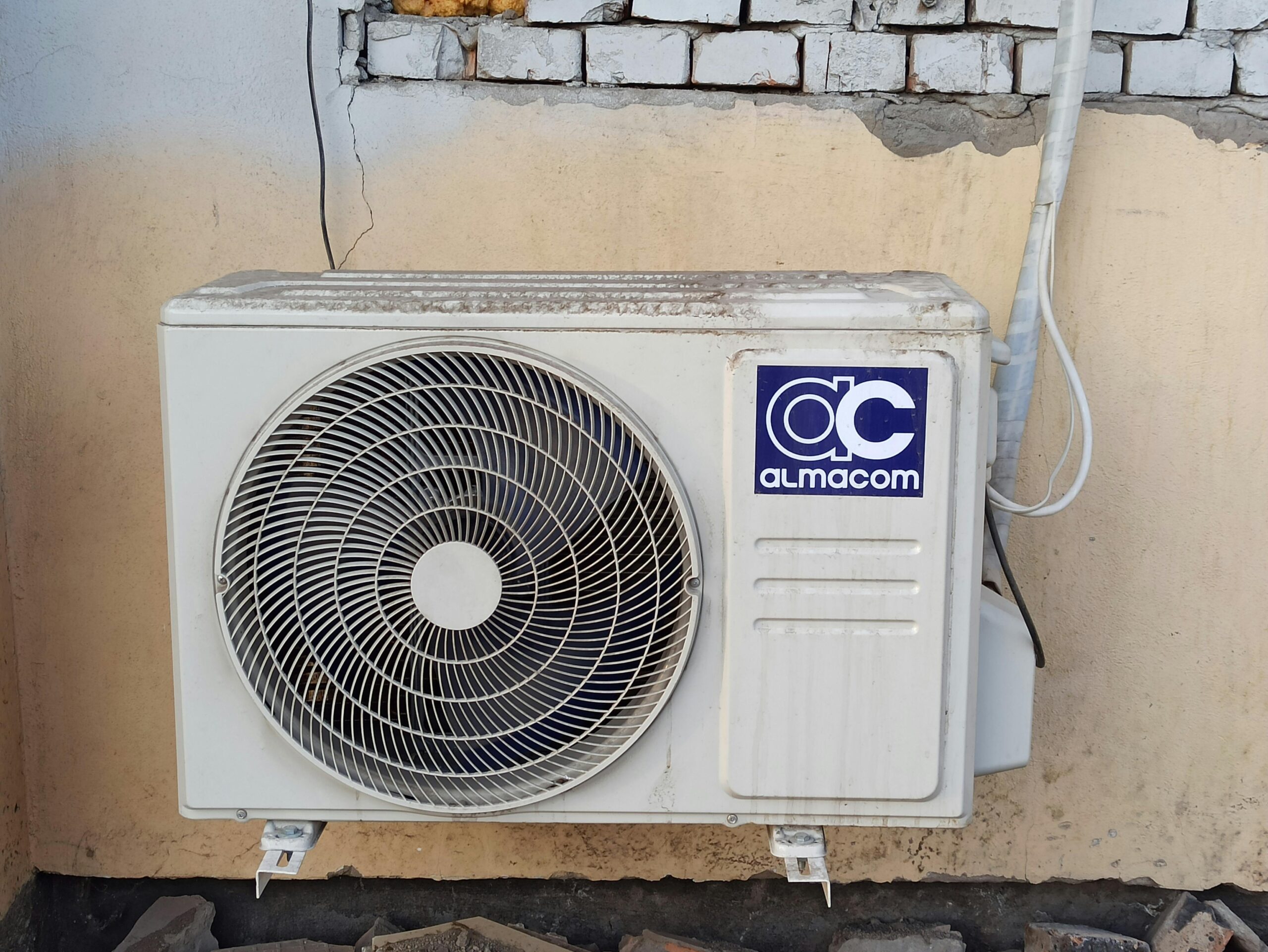
Atmospheric water harvesting is emerging as a transformative solution to global water scarcity, yet its success hinges on establishing clear regulatory frameworks that balance innovation with safety.

🌍 The Dawn of a New Water Source
As communities worldwide grapple with diminishing freshwater reserves, atmospheric water generation (AWG) technology offers a promising alternative. This innovative approach extracts moisture directly from ambient air, converting humidity into potable water through various technological methods including condensation, desiccation, and fog collection systems.
The urgency for alternative water sources has never been more apparent. According to the United Nations, nearly two billion people currently live in countries experiencing high water stress. Traditional water sources—rivers, lakes, and aquifers—face unprecedented pressure from climate change, population growth, and industrial demand. Against this backdrop, harvested atmospheric water represents not just innovation, but potentially a lifeline for water-stressed regions.
However, as with any emerging technology that directly impacts public health and environmental resources, atmospheric water harvesting exists in a regulatory gray zone. The absence of comprehensive policy frameworks creates uncertainty for manufacturers, distributors, and consumers alike. Without clear guidelines, the industry risks inconsistent quality standards, safety concerns, and barriers to widespread adoption.
⚖️ The Current Regulatory Landscape
The regulatory environment for atmospheric water harvesting varies dramatically across jurisdictions, creating a patchwork of requirements and oversight mechanisms. In many regions, existing water quality regulations were designed for conventional sources and don’t adequately address the unique characteristics of atmospherically harvested water.
In the United States, the Environmental Protection Agency (EPA) regulates drinking water through the Safe Drinking Water Act, but atmospheric water generators often fall into ambiguous categories. Are they water sources, treatment devices, or appliances? This classification question has significant implications for oversight, testing requirements, and consumer protection.
European Union member states approach regulation through various frameworks, including the Drinking Water Directive, which sets quality standards but doesn’t specifically address atmospheric water harvesting. Some countries have begun developing supplementary guidelines, while others apply existing bottled water or municipal water regulations by analogy.
Regional Approaches to AWG Regulation
Different global regions have adopted varying strategies for regulating atmospheric water harvesting technologies. The Middle East, where water scarcity drives innovation, has shown particular interest in creating enabling regulatory environments. The United Arab Emirates and Saudi Arabia have initiated pilot programs with accompanying regulatory frameworks that encourage deployment while maintaining quality oversight.
India, facing severe water stress in many regions, has seen increased interest in AWG technology but lacks unified national standards. State-level authorities apply existing water quality norms inconsistently, creating challenges for manufacturers seeking to scale operations across different jurisdictions.
Australia has taken a more structured approach, with water quality authorities examining atmospheric water harvesting through the lens of alternative water sources. The Australian Drinking Water Guidelines provide principles that can be adapted to AWG systems, though specific technical standards continue to evolve.
🔬 Quality Standards and Testing Protocols
Establishing robust quality standards represents perhaps the most critical regulatory challenge for atmospheric water harvesting. Unlike groundwater or surface water with relatively predictable contaminant profiles, atmospheric water composition varies based on air quality, humidity levels, temperature, and local environmental conditions.
Effective quality standards for harvested atmospheric water must address several key parameters:
- Microbiological safety, including testing for bacteria, viruses, and other pathogens
- Chemical composition, monitoring for atmospheric pollutants, volatile organic compounds, and heavy metals
- Mineral content and pH levels to ensure palatability and health appropriateness
- Turbidity, color, odor, and taste characteristics
- Consistency of quality across different operating conditions
The World Health Organization’s Guidelines for Drinking-water Quality provide a foundation, but atmospheric water harvesting requires additional considerations. Air quality in the harvesting location directly impacts water quality, meaning systems deployed in industrial areas face different challenges than those in pristine environments.
Testing Frequency and Monitoring Requirements
Determining appropriate testing frequencies presents another regulatory challenge. Municipal water systems typically conduct periodic testing at treatment facilities and distribution points. For atmospheric water generators, should testing occur at manufacturing, installation, or ongoing intervals during operation? Small-scale residential units require different monitoring approaches than large commercial or community systems.
Some jurisdictions are exploring real-time monitoring requirements, leveraging sensor technology to continuously assess water quality parameters. This approach offers enhanced safety assurance but increases system costs and complexity. Regulators must balance protection with practicality, ensuring requirements don’t inadvertently price the technology beyond reach of communities that need it most.
🏭 Manufacturing Standards and Certification
Beyond water quality itself, regulatory frameworks must address manufacturing standards for atmospheric water generation equipment. Product safety, energy efficiency, environmental impact, and operational reliability all warrant regulatory attention.
Several organizations have begun developing certification programs specifically for AWG systems. NSF International, known for water treatment equipment certification, has established protocols for atmospheric water generators. These standards evaluate both the safety of materials in contact with water and the effectiveness of treatment processes.
The Water Quality Association has similarly developed certification criteria addressing specific aspects of AWG technology. However, these industry-led initiatives, while valuable, don’t replace governmental regulatory frameworks. The relationship between voluntary certification and mandatory regulation remains unclear in many jurisdictions.
Energy Efficiency and Environmental Impact
Atmospheric water harvesting is inherently energy-intensive, particularly in low-humidity environments. Regulatory policy must consider the environmental calculus: does the water produced justify the energy consumed? In regions with carbon-intensive electricity grids, large-scale AWG deployment could inadvertently increase greenhouse gas emissions.
Some forward-thinking jurisdictions are incorporating energy efficiency standards into AWG regulations. These requirements might specify minimum liters of water produced per kilowatt-hour consumed, varying based on ambient conditions. Such standards encourage technological improvement while preventing deployment of inefficient systems that trade one environmental problem for another.
💧 Water Rights and Ownership Questions
Atmospheric water harvesting raises fascinating questions about water rights that existing legal frameworks weren’t designed to address. If someone extracts moisture from air above their property, do they “own” that water? Can atmospheric water harvesting be considered a form of water appropriation subject to existing water rights doctrines?
In jurisdictions with prior appropriation water law systems, where water rights are allocated based on historical use and seniority, atmospheric water harvesting doesn’t fit neatly into established categories. The water hasn’t yet entered a watercourse or aquifer, so traditional appropriation principles may not apply.
Riparian rights systems, which allocate water rights based on land ownership adjacent to water sources, face similar challenges with atmospheric water. The air, after all, moves continuously across property boundaries. Does extracting moisture from passing air masses affect downstream humidity and potentially impact others’ ability to harvest atmospheric water?
Interstate and International Considerations
These questions become even more complex when considering interstate or international contexts. If a community near a state or national border conducts large-scale atmospheric water harvesting, could neighboring jurisdictions claim this affects their atmospheric moisture availability? While scientific evidence suggests localized AWG has negligible impact on regional humidity, the legal principles remain untested.
International law regarding transboundary watercourses doesn’t clearly address atmospheric water. As the technology scales, international frameworks may need updating to provide clarity and prevent potential disputes.
🏘️ Zoning, Permitting, and Installation Requirements
Local zoning and permitting requirements represent another regulatory frontier for atmospheric water harvesting. Should AWG systems require building permits? Do large installations need special use permits or environmental impact assessments? How do noise, aesthetic impacts, and property values factor into approval processes?
Residential AWG units, particularly small-scale systems, typically face fewer regulatory hurdles. Many jurisdictions treat them like appliances, requiring no special permits. However, larger commercial or community systems raise different concerns.
Industrial-scale atmospheric water farms, capable of producing millions of liters daily, could trigger environmental review requirements. These assessments might examine energy consumption, noise impacts, land use implications, and cumulative effects if multiple facilities are proposed in a region.
Building Code Integration
As atmospheric water harvesting gains adoption, building codes will likely evolve to address installation standards. Plumbing codes may need updates specifying appropriate materials, backflow prevention, and integration with conventional water systems. Electrical codes must address the power requirements and safety considerations for AWG equipment.
Some progressive jurisdictions are exploring incentives for AWG integration in new construction, particularly in water-stressed areas. These policies might offer density bonuses, expedited permitting, or utility rebates for buildings incorporating atmospheric water harvesting as a supplemental water source.
🔐 Consumer Protection and Disclosure Requirements
Appropriate consumer protection regulations ensure purchasers understand what they’re buying when investing in atmospheric water generation systems. Disclosure requirements might mandate clear information about:
- Expected water production rates under various humidity and temperature conditions
- Energy consumption and operating costs
- Maintenance requirements and filter replacement schedules
- Water quality certifications and testing results
- Warranty coverage and service availability
Truth in advertising regulations must adapt to prevent misleading claims about AWG technology. Some manufacturers have faced criticism for overstating production capabilities or understating energy requirements. Regulatory oversight helps ensure marketing materials reflect realistic performance expectations.
Labeling Standards
Standardized labeling requirements help consumers make informed decisions. Labels might display energy efficiency ratings, similar to appliances, allowing comparison between different AWG models. Water production capacity under standard test conditions provides another useful comparison metric.
For bottled water produced through atmospheric water harvesting, labeling regulations must address source identification. Current bottled water regulations typically require disclosure of source type—spring water, purified water, mineral water, etc. A new category for “atmospheric water” or “air-derived water” may be appropriate, helping consumers understand what they’re purchasing.
🌱 Encouraging Innovation While Ensuring Safety
Effective regulation of atmospheric water harvesting must balance competing objectives: protecting public health and safety while encouraging innovation and technology advancement. Overly restrictive regulations could stifle a promising solution to water scarcity. Insufficient oversight could undermine public confidence and safety.
Regulatory sandboxes offer one promising approach. These frameworks allow controlled testing of innovative technologies under relaxed regulatory requirements, with close monitoring and evaluation. Several countries have successfully used regulatory sandboxes in financial technology and are now exploring applications for emerging water technologies.
Performance-based regulations provide another path forward. Rather than prescribing specific technologies or processes, performance-based approaches establish outcome requirements—water quality standards, for example—while allowing flexibility in how those outcomes are achieved. This approach encourages innovation while maintaining safety.
🤝 Stakeholder Engagement and Policy Development
Developing effective regulatory frameworks for atmospheric water harvesting requires meaningful engagement with diverse stakeholders. Technology developers bring technical expertise and understanding of capabilities and limitations. Public health officials contribute knowledge about safety requirements and risk assessment. Environmental advocates ensure consideration of broader ecological impacts.
Community input is particularly crucial, especially in regions where atmospheric water harvesting may be deployed to address local water scarcity. Local knowledge about climate patterns, water needs, and social acceptance factors should inform regulatory approaches.
International coordination enhances regulatory effectiveness. Organizations like the International Water Association and the World Health Organization can facilitate knowledge sharing and help develop harmonized approaches, reducing regulatory fragmentation and supporting technology transfer.
🚀 The Path Forward: Building Comprehensive Frameworks
As atmospheric water harvesting technology matures and deployment accelerates, comprehensive regulatory frameworks become increasingly urgent. These frameworks should be adaptive, allowing updates as technology evolves and implementation experience accumulates.
Priority areas for regulatory development include establishing clear water quality standards specific to atmospheric sources, creating certification programs for equipment and operators, clarifying water rights questions, and developing appropriate testing and monitoring requirements that balance safety with practicality.
International best practice sharing can accelerate framework development. Jurisdictions implementing AWG regulations should document their experiences, both successes and challenges, making this information accessible to others developing policies. Regional cooperation initiatives can harmonize approaches, particularly important in areas with shared water stress challenges.
🌟 Seizing the Opportunity
Clear skies ahead for atmospheric water harvesting depend on clear policies today. The technology’s potential to address water scarcity and enhance water security is significant, but realizing this potential requires thoughtful regulatory frameworks that instill confidence, ensure safety, and enable responsible innovation.
Policymakers stand at a critical juncture. Decisions made now will shape how this technology develops and deploys over coming decades. By engaging stakeholders, learning from early implementations, and maintaining focus on both innovation and protection, regulators can establish frameworks that support atmospheric water harvesting as a valuable component of diversified water portfolios.
The path won’t always be straightforward. Balancing competing interests and adapting established regulatory approaches to novel technologies requires patience, expertise, and willingness to learn and adjust. However, the stakes—water security for millions, resilience against climate impacts, and sustainable resource management—justify the effort.
With clear policies navigating the regulatory complexities, atmospheric water harvesting can emerge from the uncertainty of regulatory ambiguity into the clarity of established frameworks. The result will be broader adoption, greater public confidence, and meaningful contribution to solving one of humanity’s most pressing challenges: ensuring clean, safe water for all.