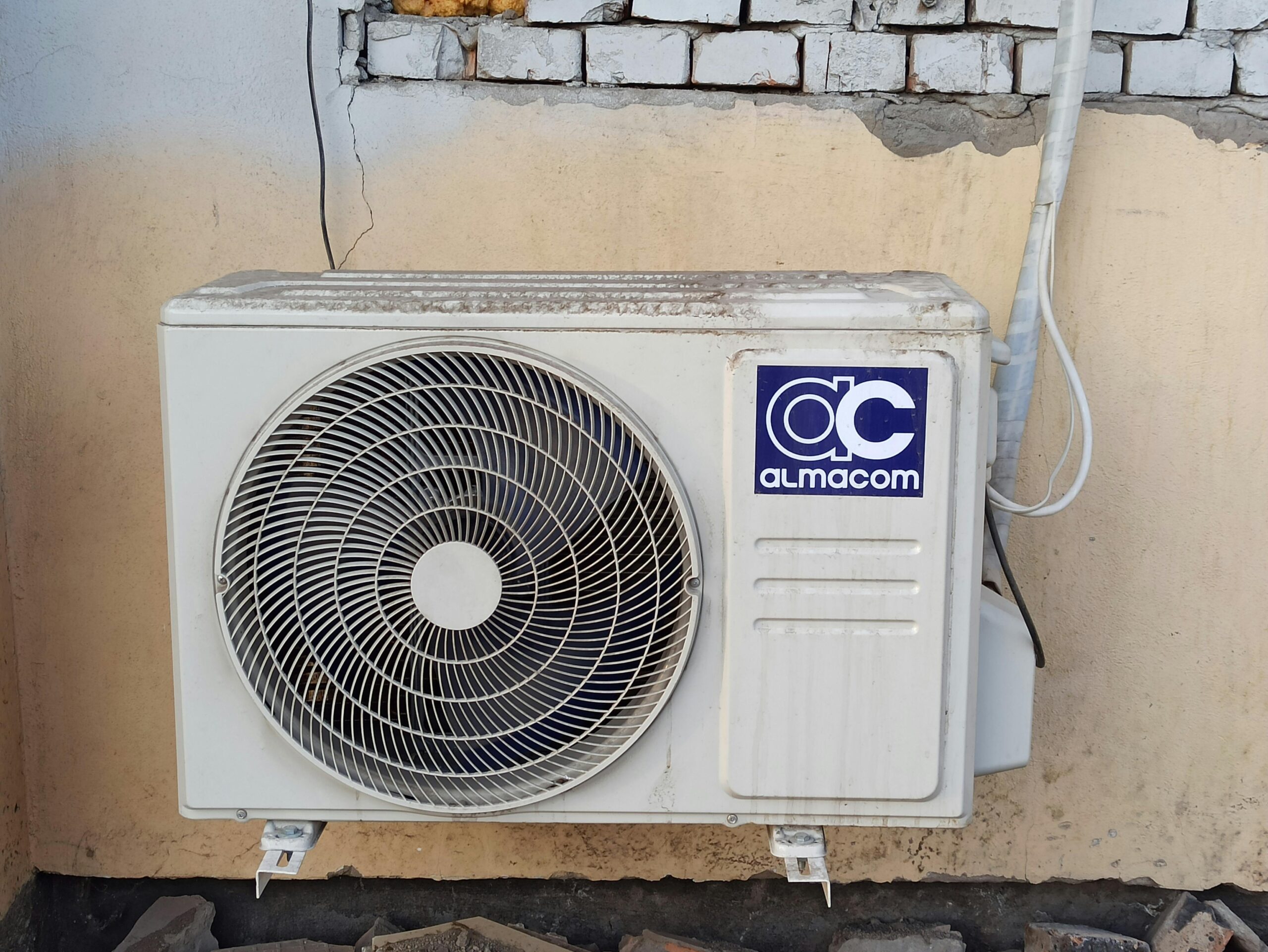
Urban architecture is evolving beyond traditional aesthetics, embracing innovative technologies like atmospheric water harvesting (AWH) to redefine skylines while addressing sustainability challenges in modern cities.

🏙️ The Urban Revolution: Where Design Meets Function
Cities worldwide face mounting pressure to become more sustainable, efficient, and livable. As populations concentrate in urban centers, the demand for fresh water intensifies while green spaces diminish. This paradox has sparked a revolutionary approach: integrating atmospheric water harvesting systems into building exteriors, transforming rooftops and facades into productive, aesthetically striking assets.
Atmospheric water harvesting isn’t merely about extracting moisture from air—it’s about reimagining urban landscapes as multifunctional ecosystems. When strategically incorporated into architectural design, AWH systems become sculptural elements that enhance visual appeal while generating vital resources. This dual-purpose innovation represents a paradigm shift in how we conceptualize building surfaces.
The integration of AWH technology on building exteriors addresses multiple urban challenges simultaneously. Water scarcity affects billions globally, with projections indicating worsening conditions. Meanwhile, urban heat islands raise temperatures, increase energy consumption, and diminish quality of life. AWH installations on rooftops and facades combat both issues while creating distinctive architectural signatures.
Architectural Aesthetics Meet Water Innovation
Modern AWH systems have evolved far beyond industrial machinery bolted onto buildings. Today’s installations feature sleek, modular designs that architects incorporate into their vision from initial concept stages. These systems can be customized with various finishes, colors, and configurations to complement or contrast with existing architectural styles.
Contemporary examples showcase how AWH panels can create dynamic facades that change appearance throughout the day. Some installations utilize reflective surfaces that catch sunlight, creating shimmering effects reminiscent of water itself. Others incorporate LED lighting within the harvesting units, transforming buildings into illuminated landmarks after dark while maintaining full water-generation functionality.
The geometric possibilities are equally impressive. AWH units can be arranged in patterns ranging from minimalist grids to organic flowing designs that mimic natural water movements. Architects now treat these installations as three-dimensional canvases, using depth variation and strategic positioning to create shadow play and visual texture that evolves with the sun’s movement.
Material Innovation in AWH Design 💧
The materials used in modern AWH systems reflect significant technological advancement. New hydrophilic coatings maximize water capture efficiency while offering diverse aesthetic options. Some materials feature iridescent properties, creating color shifts depending on viewing angle. Others incorporate recycled components, reinforcing the sustainability narrative both functionally and symbolically.
Transparent AWH panels represent particularly exciting developments. These allow water collection without blocking views or natural light, making them ideal for high-value urban real estate where every square foot matters. Buildings can maintain glass facades while generating water, effectively creating invisible infrastructure.
Rooftop Transformations: Elevating Urban Spaces
Rooftops represent underutilized real estate in most cities. Traditionally devoted to mechanical equipment or left barren, these spaces now emerge as premium locations for AWH integration. The elevated position offers optimal atmospheric conditions—higher humidity levels, consistent airflow, and reduced urban pollution compared to street level.
Modern rooftop AWH installations frequently incorporate recreational spaces, creating multifunctional environments. Imagine rooftop gardens where irrigation comes directly from integrated harvesting systems, eliminating reliance on municipal water. These installations can include seating areas, walking paths, and even small cafes, all supported by the building’s own water generation capacity.
Some innovative projects combine AWH with rooftop agriculture, creating urban farms that sustain themselves with harvested atmospheric moisture. This closed-loop approach demonstrates circular economy principles in action, producing food and water simultaneously while reducing building heat absorption and providing insulation benefits.
The Technical Advantage of Height
Rooftop positioning provides technical advantages beyond aesthetics. Higher elevations typically experience less turbulent airflow, allowing AWH systems to operate more efficiently. Temperature differentials between day and night—crucial for condensation-based harvesting—are often more pronounced at height, enhancing water yield.
Installation logistics also favor rooftops. Modular AWH units can be crane-lifted into position without disrupting building operations. Maintenance access is straightforward, and the generated water easily integrates into existing plumbing systems through gravity-fed distribution or minimal pumping requirements.
Facade Integration: Vertical Water Gardens
Building facades offer exponentially more surface area than rooftops, presenting massive potential for AWH integration. Vertical installations transform entire building sides into water-generating surfaces, dramatically increasing harvest capacity while creating landmark architectural statements.
Facade-mounted AWH systems can follow building contours or deliberately contrast with them. Some designs use cantilevers to project panels outward, creating three-dimensional effects and providing shading for windows below. Others recess harvesting units into the facade, creating textured surfaces that add depth and visual interest.
The interplay between AWH installations and natural elements creates living architecture. As water condenses on harvesting surfaces, the process becomes visible—a gentle misting effect or droplet formation that connects building occupants with the natural water cycle. This visible sustainability reinforces environmental consciousness and creates talking points that enhance building prestige.
Adaptive Facades: Responsive Design
Advanced AWH facades incorporate responsive technologies that adjust to environmental conditions. Panels might tilt to optimize condensation based on wind direction and humidity levels. Some systems integrate with building management platforms, coordinating water harvesting with HVAC operations to maximize overall efficiency.
These intelligent facades can communicate performance through integrated displays showing real-time water generation, environmental conditions, and cumulative impact metrics. This transparency transforms buildings into educational platforms, demonstrating sustainable technology benefits to thousands of daily passersby.
🌆 Case Studies: AWH Excellence in Practice
Several pioneering projects worldwide demonstrate AWH’s transformative potential. In Dubai, a luxury hotel integrated AWH panels into its facade, generating thousands of liters daily while creating a distinctive exterior pattern that became the property’s visual signature. The installation paid for itself within five years through reduced water procurement costs.
A residential tower in Singapore incorporated rooftop AWH systems feeding a vertical garden spanning fifteen floors. The installation captures atmospheric moisture, irrigates extensive plantings, and provides residents with fresh water for non-potable uses. The greenery reduced cooling costs by 18% while the building became an architectural landmark.
In Los Angeles, an office complex transformed its parking garage rooftop with AWH-powered urban agriculture, producing vegetables for the building’s cafeteria while generating surplus water for landscape irrigation. The project created recreational space for employees and reduced the building’s environmental footprint significantly.
Economic Considerations and ROI
Initial AWH installation costs vary based on system complexity, building characteristics, and desired capacity. However, financial analysis consistently demonstrates favorable returns, particularly in water-stressed regions or areas with high municipal water costs.
Beyond direct water cost savings, AWH installations offer multiple economic benefits. Buildings with sustainable technologies command premium rental rates and higher property values. Energy savings from reduced heat absorption and decreased HVAC loads contribute to ongoing operational savings. Some jurisdictions offer tax incentives, rebates, or expedited permitting for buildings incorporating water-generation technologies.
Marketing value shouldn’t be underestimated. AWH-equipped buildings attract media attention, sustainability-focused tenants, and positive public perception. For commercial properties, this translates directly to competitive advantage and improved lease-up rates.
Maintenance and Longevity 🔧
Modern AWH systems require minimal maintenance compared to their output value. Regular filter cleaning, quarterly inspections, and annual servicing typically suffice. Most components carry warranties of 10-15 years, with systems designed for 25+ year operational lifespans.
Maintenance costs are predictable and modest, generally representing less than 10% of the water value generated. Many systems include remote monitoring capabilities, alerting building managers to potential issues before they impact performance, reducing unexpected maintenance expenses.
Environmental Impact Beyond Water Generation
AWH installations deliver environmental benefits extending beyond water production. The physical presence of harvesting equipment, particularly on rooftops, provides shading that reduces urban heat island effects. Studies show buildings with extensive rooftop AWH systems experience interior temperature reductions of 3-6 degrees, decreasing air conditioning demands and associated energy consumption.
Fauna integration represents another unexpected benefit. AWH condensation creates microclimates that attract beneficial insects and birds, reintroducing biodiversity to urban environments. Some installations deliberately incorporate nesting areas and perches, transforming buildings into vertical habitats that support urban ecology.
The carbon footprint reduction is substantial. Water transport represents significant energy expenditure in most cities—treating, pumping, and distributing water across municipal networks. Localized AWH generation eliminates these transportation impacts while reducing strain on overtaxed infrastructure.
Regulatory Landscape and Building Codes
Building codes increasingly accommodate or even encourage AWH integration. Forward-thinking municipalities recognize these systems’ benefits and adapt regulations to facilitate installation. Some cities now offer fast-track permitting for buildings incorporating water-generation technologies or mandate alternative water sources for new construction above certain sizes.
Health and safety regulations ensure harvested water meets appropriate quality standards for its intended use. While most AWH water serves non-potable purposes—irrigation, cooling tower makeup, toilet flushing—advanced treatment systems can elevate quality to potable standards where regulations permit.
Zoning considerations sometimes affect AWH installation, particularly regarding facade projections or rooftop structures. However, most jurisdictions consider these essential building systems exempt from typical setback or height restrictions, recognizing their functional rather than merely decorative nature.
🎨 Design Inspiration: Future Directions
The next generation of AWH-integrated architecture promises even more dramatic innovations. Architects envision entire skyscrapers clad in water-harvesting skins that generate building water needs while creating iconic silhouettes. Some concepts incorporate kinetic elements—panels that move with wind patterns to optimize harvesting while creating dynamic, living facades.
Biomimetic designs drawing inspiration from fog-harvesting beetles and moisture-collecting cacti inform AWH system development. These nature-inspired approaches maximize efficiency while creating organic aesthetic qualities that soften hard urban environments.
Integration with other building systems represents another frontier. Combined photovoltaic-AWH panels that generate both electricity and water are in development. Systems that use waste heat from solar panels to enhance water condensation demonstrate how integrated approaches multiply benefits.
Implementation Strategies for Property Owners
Property owners considering AWH integration should begin with professional assessment. Specialized consultants evaluate site-specific conditions—climate patterns, building orientation, structural capacity—to determine optimal system configuration and realistic water yield expectations.
Phased implementation often makes practical sense, particularly for existing buildings. Starting with rooftop installations proves the concept and builds operational experience before expanding to facades. This approach spreads costs while demonstrating value to stakeholders who might initially be skeptical.
Collaboration with experienced architects and engineers ensures AWH systems integrate seamlessly with existing building aesthetics and mechanical systems. The most successful installations treat water harvesting as fundamental design elements rather than afterthoughts, achieving both functional excellence and visual harmony.
Community Impact and Social Dimensions
AWH-equipped buildings often become community landmarks and conversation starters about sustainability. Educational programs can leverage these installations, offering tours that demonstrate water-generation processes and inspire environmental consciousness. Schools particularly benefit from nearby AWH buildings as living laboratories for STEM education.
In water-stressed communities, buildings that generate their own water reduce strain on municipal systems, leaving more resources available for residential users. This civic contribution enhances property reputation and demonstrates corporate social responsibility in tangible ways.
Public spaces incorporating AWH technology create gathering points that celebrate innovation while serving practical purposes. Plazas with AWH-fed fountains or green spaces watered by harvested moisture become destinations that enhance neighborhood vitality and property values.
🌟 The Sky-High Style Movement Forward
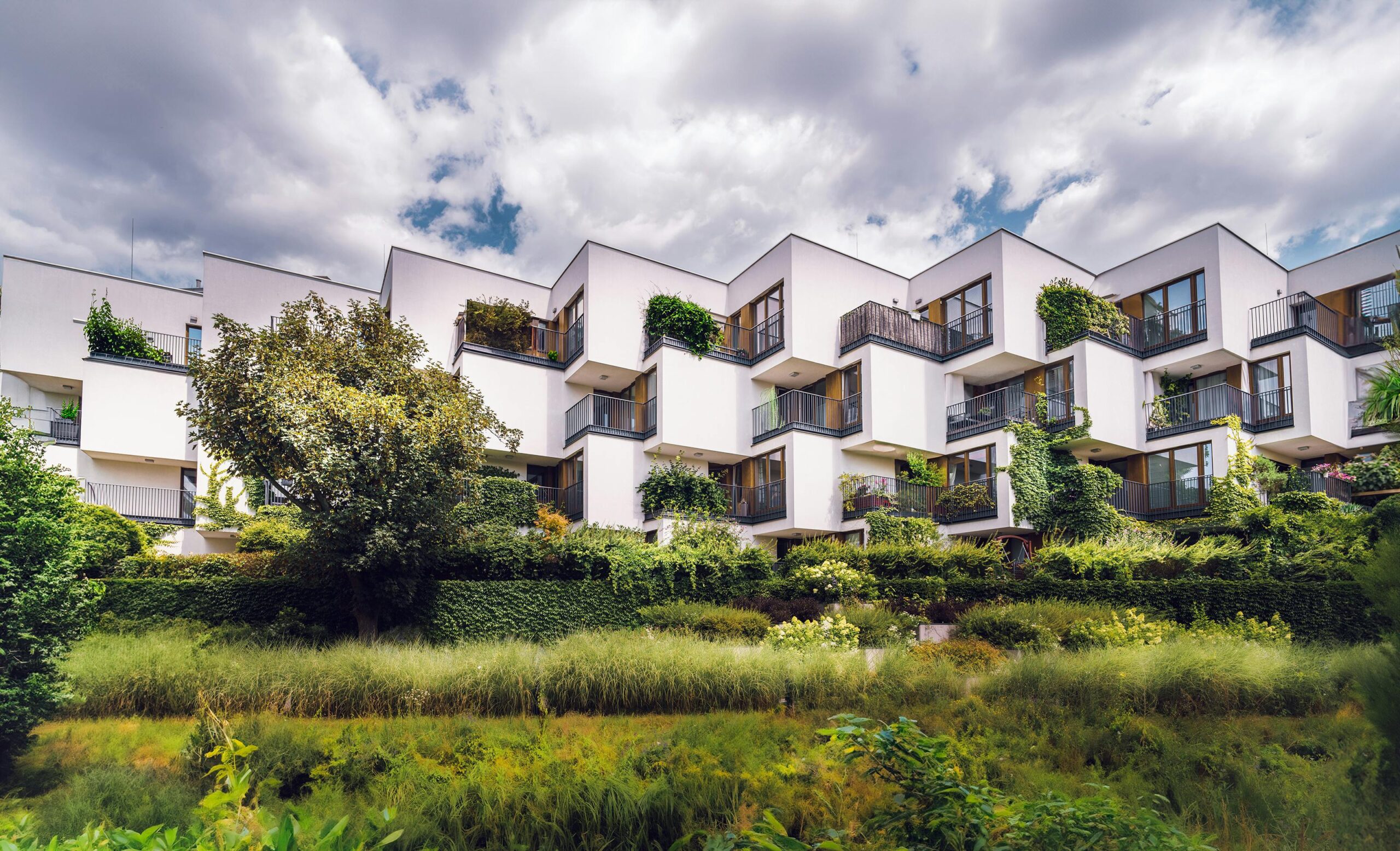
The integration of atmospheric water harvesting into rooftops and facades represents more than technological innovation—it’s a fundamental reimagining of how buildings interact with their environment. As climate challenges intensify and urban populations grow, these installations offer practical solutions that enhance rather than compromise architectural vision.
Success stories continue accumulating, demonstrating that sky-high style and environmental responsibility aren’t competing priorities but complementary goals. Buildings that generate their own water while creating distinctive visual identities prove that sustainability can be aspirational, desirable, and economically sound.
The future of urban architecture increasingly points upward and outward, treating every building surface as an opportunity for productive beauty. AWH technology transforms rooftops from forgotten spaces into elevated gardens and facades from static walls into dynamic water generators. This movement redefines what buildings can be—not just shelters, but active participants in urban ecosystems.
As more property owners, architects, and city planners embrace this vision, urban skylines will increasingly showcase buildings that do more than occupy space—they’ll actively contribute to environmental solutions while setting new aesthetic standards. The sky-high style movement represents architecture’s evolution toward deeper purpose, where every structure tells a story of innovation, responsibility, and forward-thinking design that addresses our most pressing challenges with elegance and impact.