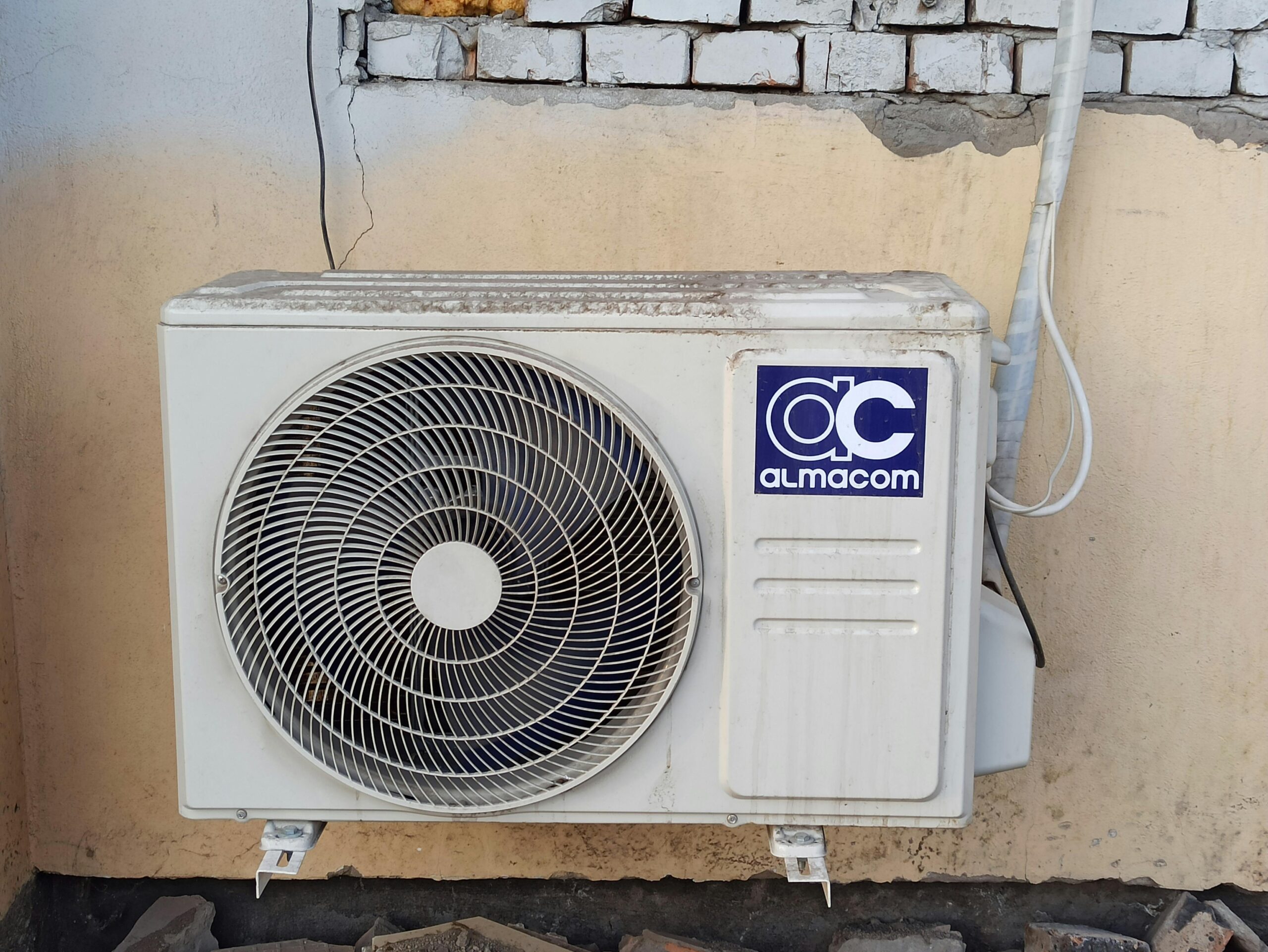
Your condenser is the heart of your cooling system, and keeping it clean ensures efficiency, reduces energy costs, and extends its lifespan significantly. 🌟

Why Your Condenser Deserves Your Attention
The condenser plays a critical role in your HVAC system, refrigerator, or air conditioning unit. It’s responsible for releasing heat from the refrigerant, allowing your system to cool effectively. When dirt, debris, and grime accumulate on the condenser coils, the entire system works harder, consuming more energy and wearing out faster. Understanding the importance of regular maintenance can save you thousands of dollars in repairs and replacements over time.
Many homeowners and business owners overlook condenser maintenance until something goes wrong. By then, the damage might be extensive, requiring costly professional intervention. The good news is that with proper care and routine cleaning, you can prevent most common condenser problems and ensure your cooling system operates at peak performance for years to come.
Understanding How Your Condenser Works
Before diving into maintenance tips, it’s essential to understand the basic operation of your condenser. The condenser receives hot, high-pressure refrigerant gas from the compressor. As this gas flows through the condenser coils, a fan blows air across the coils, dissipating heat into the surrounding environment. This process transforms the refrigerant from a gas back into a liquid, which then continues through the cooling cycle.
When the condenser coils become dirty or blocked, heat transfer becomes inefficient. The refrigerant can’t cool properly, forcing the compressor to work overtime. This increased workload not only raises your energy bills but also accelerates wear on critical components, ultimately shortening the lifespan of your entire system.
Signs Your Condenser Needs Immediate Attention 🚨
Recognizing warning signs early can prevent minor issues from becoming major problems. Here are the most common indicators that your condenser requires cleaning or maintenance:
- Higher than usual energy bills without changes in usage patterns
- Reduced cooling capacity or warm air coming from vents
- Unusual noises such as grinding, rattling, or buzzing sounds
- The system runs continuously without cycling off
- Visible dirt, debris, or vegetation around the outdoor unit
- Ice formation on the refrigerant lines or condenser coils
- Unpleasant odors when the system operates
- Frequent system shutdowns or tripped breakers
If you notice any of these symptoms, it’s time to inspect and clean your condenser immediately. Addressing these issues promptly can prevent complete system failure and expensive emergency repairs.
Essential Tools and Materials for Condenser Maintenance
Proper condenser maintenance doesn’t require professional-grade equipment, but having the right tools makes the job safer and more effective. Here’s what you’ll need for a thorough condenser cleaning session:
- Garden hose with adjustable nozzle (avoid pressure washers which can damage delicate fins)
- Fin comb or brush for straightening bent coil fins
- Coil cleaner solution specifically designed for condensers
- Soft brush or vacuum with brush attachment
- Screwdriver set for removing protective panels
- Work gloves and safety glasses
- Insulated screwdriver for electrical safety
- Flashlight for inspecting hard-to-see areas
Investing in quality maintenance tools pays for itself quickly through improved system efficiency and extended equipment life. Keep these items together in a dedicated maintenance kit for easy access during regular cleaning sessions.
Step-by-Step Guide to Cleaning Your Condenser Safely
Cleaning your condenser properly requires attention to detail and following safety protocols. This comprehensive guide will walk you through the entire process, ensuring you achieve professional-quality results without risking damage to your equipment or yourself.
Safety First: Powering Down Your System
Before touching any part of your condenser, turn off the power completely. Locate the outdoor disconnect box near your condenser unit and switch it to the off position. For added safety, turn off the circuit breaker controlling your HVAC system at your main electrical panel. Never attempt to clean or service your condenser while it has power, as this poses serious electrocution risks.
Wait at least 30 minutes after shutting off the power before beginning work. This allows capacitors to discharge fully, eliminating stored electrical energy that could cause shock even when the power is off.
Clearing the Surrounding Area
Remove all debris, leaves, grass clippings, and vegetation from around the condenser unit. Maintain at least two feet of clearance on all sides for proper airflow. Trim any bushes, plants, or trees that have grown too close to the unit. Poor airflow around the condenser significantly reduces efficiency and can lead to overheating.
Check for animal nests, especially during spring and fall when rodents and birds seek shelter. Remove any nesting materials carefully, as animals may still be present. Consider installing a protective cage around the unit if wildlife interference is a recurring problem.
Removing and Cleaning the Protective Grille
Most condenser units have a top grille or fan guard secured with screws or fasteners. Remove these carefully, keeping track of all hardware. Lift the grille straight up to avoid bending the coil fins underneath. Clean the grille thoroughly with soap and water, removing accumulated dirt, pollen, and debris.
While the grille is removed, inspect the fan blades for damage, dirt, or signs of wear. Gently wipe down the blades with a damp cloth, being careful not to bend them. Check that the fan motor mounting is secure and shows no signs of rust or deterioration.
Cleaning the Condenser Coils Effectively 💨
The coils are the most critical component requiring cleaning. Begin by using a soft brush or vacuum with a brush attachment to remove loose dirt and debris from the coil fins. Work gently from top to bottom, following the direction of the fins to avoid bending them.
Apply a commercial coil cleaner according to the manufacturer’s instructions. These specialized cleaners foam up and penetrate deep into the coils, dissolving grease, pollen, and stubborn dirt. Allow the cleaner to sit for the recommended time, typically 5-10 minutes.
Rinse the coils thoroughly with a garden hose, spraying from the inside out to push debris away from the unit. Use gentle water pressure to avoid damaging the delicate aluminum fins. Continue rinsing until the water runs clear and all cleaner residue is removed.
Straightening Bent Coil Fins
Bent or crushed coil fins restrict airflow and reduce cooling efficiency. Use a fin comb matched to your coil’s fin spacing (typically 10-14 fins per inch) to carefully straighten any damaged fins. Work slowly and methodically, inserting the comb at the top of the section and pulling straight down.
Don’t worry about achieving perfection—even partially straightening bent fins improves airflow significantly. Focus on areas with multiple bent fins rather than isolated single fins.
Final Inspection and Reassembly
Before reassembling, inspect all visible components for signs of wear, corrosion, or damage. Check electrical connections for tightness and signs of overheating. Look for refrigerant leaks, indicated by oily residue on coils or connections.
Reinstall the protective grille securely, ensuring all fasteners are tight. Restore power to the unit and test operation. The system should start smoothly and run quietly. Monitor the unit for 15-20 minutes to ensure it cycles properly and produces cold air.
Seasonal Maintenance Schedules for Maximum Longevity
Establishing a regular maintenance schedule is crucial for maximizing your condenser’s lifespan. Different seasons present unique challenges that require specific attention and care.
Spring Preparation: Getting Ready for Cooling Season
Spring is the ideal time for comprehensive condenser maintenance. After months of winter inactivity, your system needs thorough inspection and cleaning before the heavy cooling demands of summer. Remove any winter covers, clear accumulated debris, and perform a complete coil cleaning as described above.
Check refrigerant levels by observing the sight glass or monitoring system pressures if you have the appropriate gauges. Low refrigerant typically indicates a leak requiring professional repair. Test the thermostat accuracy and replace batteries if applicable.
Summer Monitoring: Mid-Season Checks
During peak cooling season, perform monthly visual inspections of your condenser. Check for debris accumulation, ensure adequate clearance around the unit, and listen for unusual sounds. Hose down the exterior coils lightly every 4-6 weeks if you live in a dusty environment or during heavy pollen seasons.
Monitor your energy bills for unexpected increases, which may indicate declining efficiency. Clean or replace indoor air filters monthly during heavy use periods to reduce strain on the entire system.
Fall Transition: Preparing for Winter ❄️
As cooling season ends, perform another thorough condenser cleaning to remove accumulated summer debris. This prevents corrosion during the off-season and ensures your system is ready for next year. In colder climates, consider covering the top of the outdoor unit to prevent debris accumulation, but never cover the sides as this traps moisture and promotes rust.
For heat pump systems that run year-round, maintain regular cleaning schedules and pay special attention to ice buildup during winter operation. Ensure the defrost cycle functions properly to prevent coil icing.
Winter Protection: Off-Season Care
If your condenser sits idle during winter, periodic checks ensure it remains in good condition. Remove any debris blown against the unit, and check that protective covers haven’t come loose. Clear snow and ice away from the unit to prevent damage and ensure spring startup readiness.
Never operate your air conditioning when outdoor temperatures drop below 60°F, as this can damage the compressor and other components due to refrigerant issues at low temperatures.
Professional Maintenance: When to Call the Experts
While DIY maintenance handles most routine cleaning and inspection tasks, certain situations require professional expertise. Understanding when to call an HVAC technician saves money in the long run by preventing damage from improper repairs.
Schedule professional service annually, ideally during spring before cooling season. Technicians have specialized tools and training to check refrigerant levels, test electrical components, measure system pressures, and identify developing problems before they cause failures.
Call a professional immediately if you encounter refrigerant leaks, electrical problems, compressor issues, or if your system stops working entirely. These problems require specialized equipment and EPA-certified handling of refrigerants.
Common Condenser Problems and Prevention Strategies
Understanding common condenser problems helps you prevent them through proper maintenance and early intervention. Many issues develop gradually and can be avoided with regular attention.
Corrosion and Rust
Coastal environments, areas with acid rain, or exposure to lawn chemicals can cause condenser corrosion. Apply anti-corrosion coatings designed for HVAC equipment during routine maintenance. Address rust spots immediately by cleaning thoroughly and applying protective sealants.
Refrigerant Leaks
Leaks typically occur at connection points, coil joints, or due to corrosion. Prevention includes gentle handling during cleaning, avoiding impacts to refrigerant lines, and addressing corrosion promptly. Only EPA-certified technicians should repair refrigerant leaks.
Electrical Component Failure
Capacitors, contactors, and other electrical components wear out over time. Keep connections clean and tight, protect the unit from water intrusion, and have professionals test electrical components during annual service visits.
Advanced Tips for Optimal Condenser Performance 🔧
Beyond basic cleaning, these advanced strategies maximize efficiency and extend equipment life even further.
Install a programmable or smart thermostat to reduce unnecessary system runtime. Every degree you raise your thermostat in summer saves approximately 3% on cooling costs while reducing wear on your condenser.
Ensure proper attic insulation and ventilation to reduce cooling load on your entire system. Seal air leaks around doors and windows to maintain indoor temperatures more effectively.
Plant deciduous trees strategically to shade your home in summer while allowing winter sun exposure. However, keep all vegetation at least two feet away from the condenser unit itself.
Consider installing a condenser coil coating service performed by professionals. These protective coatings resist corrosion and make future cleaning easier while improving heat transfer efficiency.
The Financial Benefits of Regular Condenser Maintenance
The return on investment for regular condenser maintenance is substantial and measurable. Clean, well-maintained condensers operate 15-20% more efficiently than neglected units, translating directly to lower monthly energy bills.
A typical residential air conditioning system costs $3,000-$7,000 to replace. Proper maintenance can extend system life from the typical 10-12 years to 15-20 years, effectively doubling your initial investment’s value.
Energy savings from efficient operation typically amount to $200-$400 annually for average homes. Over a system’s lifetime, this represents thousands of dollars in savings—far more than the cost of routine maintenance supplies and occasional professional service.
Insurance companies and home warranty providers often require proof of regular maintenance before covering system failures. Maintaining service records protects your investment and ensures coverage when you need it most.
Environmental Impact of Proper Condenser Care 🌍
Beyond personal financial benefits, maintaining your condenser properly contributes to environmental sustainability. Efficient HVAC systems consume less electricity, reducing power plant emissions and your carbon footprint.
Extending equipment life reduces waste in landfills and decreases demand for new manufacturing, which requires significant energy and raw materials. Proper refrigerant handling prevents the release of potent greenhouse gases into the atmosphere.
By taking responsibility for your condenser’s maintenance, you’re making a meaningful contribution to environmental conservation while enjoying the practical benefits of reduced costs and improved comfort.
Creating Your Personal Maintenance Success Plan
Success in condenser maintenance comes from establishing consistent habits and keeping organized records. Create a maintenance log noting cleaning dates, observations, professional service visits, and any unusual occurrences.
Set calendar reminders for seasonal maintenance tasks so they become routine rather than forgotten chores. Take photos of your condenser after each cleaning to document its condition over time and identify developing problems early.
Keep maintenance supplies readily accessible and replace them before they run out. Having everything on hand eliminates excuses and makes maintenance sessions quick and efficient.
Share maintenance responsibilities with family members or building occupants, educating everyone about the importance of keeping the area around the condenser clear and reporting any unusual system behavior promptly.
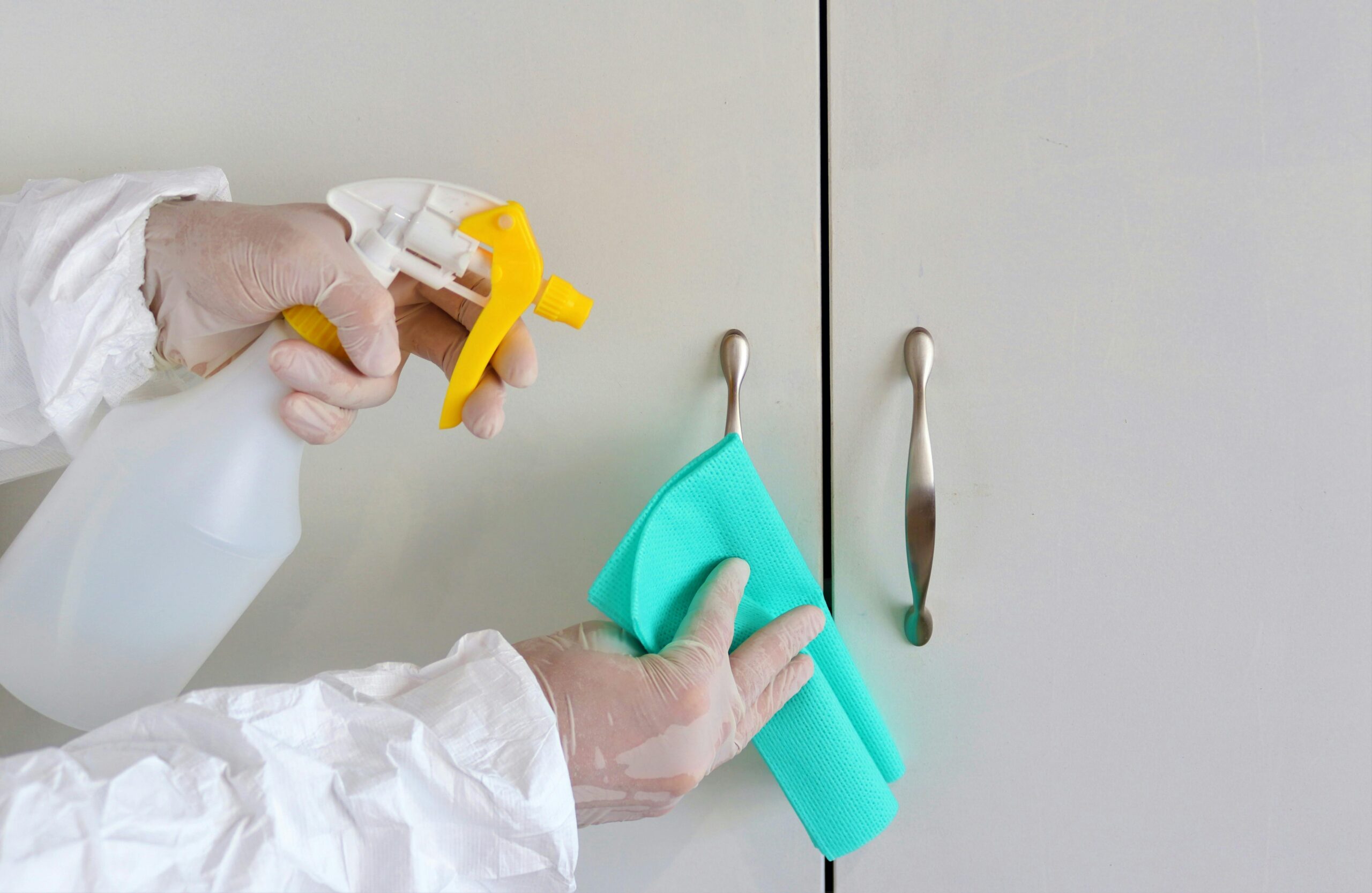
Maximizing Your Investment Through Informed Care
Your condenser represents a significant investment in home comfort and property value. Treating it with the care and attention it deserves ensures reliable operation, maximum efficiency, and exceptional longevity. The strategies outlined in this guide empower you to take control of your system’s performance and avoid the frustration and expense of premature failures.
Regular cleaning, seasonal maintenance, prompt attention to warning signs, and knowing when to call professionals form the foundation of successful condenser care. These practices aren’t complicated or time-consuming, yet they deliver remarkable returns in comfort, savings, and peace of mind.
Start implementing these maintenance tips today, and you’ll enjoy years of reliable, efficient cooling performance. Your condenser will reward your attention with lower energy bills, fewer repairs, and extended service life—making every minute spent on maintenance a wise investment in your comfort and financial wellbeing. 🌟