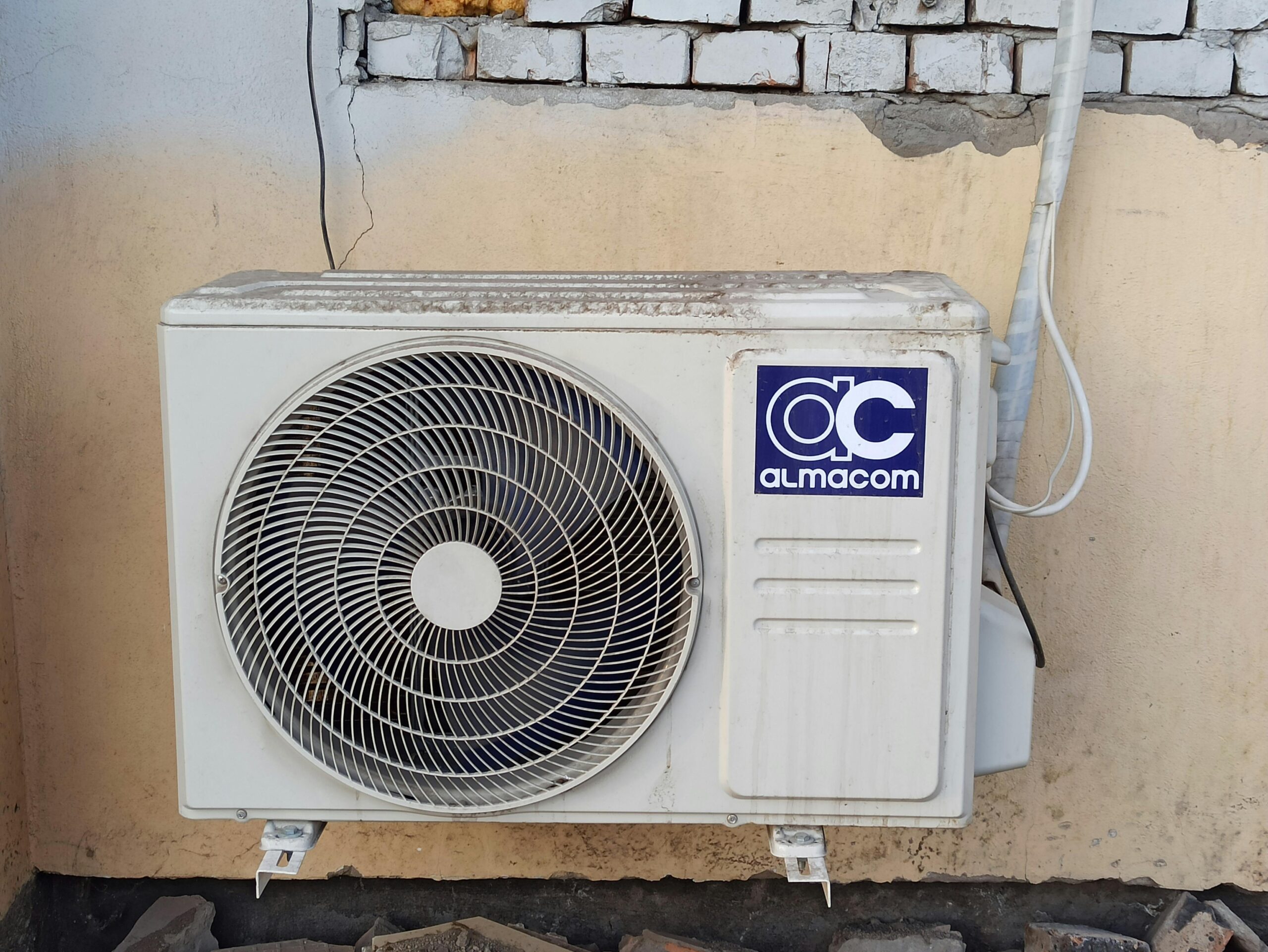
Air-to-water technology is transforming how communities access clean drinking water, offering innovative solutions that extract moisture from the atmosphere to address global water scarcity challenges.

🌍 Understanding the Air-to-Water Revolution
The concept of extracting water from thin air might sound like science fiction, but atmospheric water generation (AWG) has become a practical reality that’s changing lives across the globe. These systems work by condensing water vapor from ambient air, mimicking the natural process of dew formation but on a much larger and more efficient scale.
The technology behind air-to-water systems utilizes either cooling condensation or desiccant materials to capture atmospheric moisture. Cooling-based systems function similarly to dehumidifiers, using refrigeration cycles to cool air below its dew point, causing water vapor to condense into liquid water. Desiccant systems, on the other hand, use moisture-absorbing materials that release collected water when heated.
What makes these systems particularly revolutionary is their ability to operate in diverse climatic conditions, from humid coastal regions to arid desert environments. Modern AWG units can produce anywhere from a few liters per day for household use to thousands of liters for commercial and community applications.
💧 Game-Changing Implementations Across Desert Communities
The Middle East has emerged as a testing ground for air-to-water technology, where water scarcity poses existential challenges. In Dubai, several hotels and resorts have integrated atmospheric water generators into their sustainability programs, reducing dependence on energy-intensive desalination plants.
One particularly successful installation at a luxury resort generates approximately 5,000 liters of drinking water daily, meeting roughly 30% of the property’s potable water needs. The system operates most efficiently during cooler evening hours when humidity levels rise, storing water in tanks for daytime consumption.
In Saudi Arabia’s NEOM project, air-to-water technology forms part of the ambitious smart city’s water infrastructure plan. The initiative aims to create a sustainable water ecosystem that combines AWG systems with traditional sources, reducing the carbon footprint associated with water production by an estimated 40%.
The United Arab Emirates has also deployed mobile AWG units in remote desert locations, providing emergency water supplies for construction workers and supporting disaster preparedness initiatives. These portable systems have proven invaluable during sandstorms and other events that disrupt conventional water supply chains.
🏝️ Island Nations Finding Water Independence
Island communities traditionally rely heavily on rainfall collection, imported water, or expensive desalination. Air-to-water systems offer a complementary solution that enhances water security without the environmental drawbacks of conventional methods.
The Maldives has piloted several AWG installations across its resort islands, where freshwater scarcity threatens both tourism and local populations. One resort chain reported producing 8,000 liters daily across three properties, significantly reducing their carbon emissions from water transportation by boat.
In the Caribbean, the island of Aruba has integrated atmospheric water generators into its renewable energy strategy. Powered by solar panels and wind turbines, these systems produce clean drinking water with minimal environmental impact, demonstrating the synergy between renewable energy and water generation technologies.
Hawaii’s Big Island has seen growing adoption of residential AWG units, particularly in off-grid communities where traditional water infrastructure is unavailable. Homeowners report producing 50-150 liters daily, sufficient for drinking, cooking, and essential household needs, effectively achieving water independence.
🌆 Urban Applications Transforming City Water Management
Cities facing water stress are incorporating air-to-water technology into their broader water management strategies. These urban implementations showcase how AWG systems can complement existing infrastructure rather than replace it entirely.
Los Angeles has deployed pilot programs in several municipal buildings, where rooftop AWG units produce water for landscaping irrigation and non-potable uses. The city’s Department of Water and Power views these systems as part of a diversified water portfolio that reduces pressure on the Colorado River aqueduct.
In Bangalore, India, a technology campus installed a large-scale atmospheric water generation facility that produces 20,000 liters daily, serving the drinking water needs of approximately 5,000 employees. The system operates in conjunction with rainwater harvesting, creating a resilient water supply that withstands seasonal variations.
Singapore’s approach combines AWG technology with its comprehensive water security strategy known as the “Four National Taps.” Several commercial buildings have integrated atmospheric water generators as a fifth unofficial tap, producing water for cooling towers and toilet flushing, thereby reducing demand on the public water supply.
🏥 Healthcare Facilities Ensuring Uninterrupted Water Access
Medical facilities require reliable access to clean water for sanitation, patient care, and medical procedures. Air-to-water systems provide backup water security that can prove lifesaving during infrastructure failures or natural disasters.
A hospital network in South Africa installed AWG units as part of their emergency preparedness protocol following severe drought conditions in Cape Town. These systems now serve as secondary water sources, automatically activating when municipal water pressure drops below safe operating levels.
Remote clinics in rural Kenya have adopted small-scale atmospheric water generators powered by solar panels, producing 200-500 liters daily. This water meets sterilization needs and provides safe drinking water for patients and staff, eliminating reliance on potentially contaminated well water.
In disaster-prone regions of the Philippines, mobile medical units equipped with portable AWG systems can establish field hospitals with independent water supplies. During typhoon relief operations, these units have provided critical water access when conventional infrastructure was compromised.
🎓 Educational Institutions Leading by Example
Schools and universities are adopting air-to-water technology not only for practical water supply but also as educational tools that demonstrate sustainable innovation to students.
The University of California, Berkeley installed an atmospheric water generation system that produces water for campus drinking fountains while serving as a living laboratory for engineering students. The installation includes real-time monitoring displays that show water production rates, energy consumption, and environmental conditions.
In Australia, several primary schools in drought-affected regions have integrated small AWG units into their science curricula. Students monitor daily water production, measure humidity levels, and calculate efficiency metrics, turning sustainability technology into hands-on learning opportunities.
A secondary school in Israel uses its air-to-water system to supply water for the school garden and aquaponics program, demonstrating integrated sustainable systems. The project has reduced the school’s municipal water consumption by 25% while providing practical environmental education.
⚡ Energy Integration Creating Truly Sustainable Systems
The sustainability credentials of air-to-water systems improve dramatically when paired with renewable energy sources, creating carbon-neutral water production that addresses both resource scarcity and climate concerns.
A community in rural Morocco has implemented a solar-powered AWG installation that serves 150 households, producing approximately 2,000 liters daily. The system operates entirely off-grid, with battery storage ensuring continuous operation during nighttime hours when humidity rises.
In coastal Peru, wind-powered atmospheric water generators provide water for agricultural irrigation in regions where rainfall is virtually nonexistent. The systems produce sufficient water to support small-scale vegetable farming, contributing to food security and local economic development.
California’s Joshua Tree National Park uses solar-AWG combinations at remote ranger stations and campgrounds, eliminating the need for water trucking that was both expensive and environmentally problematic. The systems have proven reliable even during extended dry periods when natural springs run low.
🚜 Agricultural Applications Supporting Food Security
While air-to-water systems currently lack the production capacity for large-scale irrigation, innovative farmers are finding valuable niche applications that support sustainable agriculture.
Greenhouse operations in arid regions use atmospheric water generators to maintain optimal humidity while capturing that moisture for drip irrigation systems. This closed-loop approach maximizes water efficiency in controlled environment agriculture.
Livestock operations in water-scarce regions have adopted AWG systems to provide drinking water for animals, particularly valuable breeding stock. A cattle ranch in Namibia produces 1,500 liters daily, sufficient for a core breeding herd while reducing pressure on limited groundwater resources.
Specialty crop farmers growing high-value produce like saffron and medicinal herbs use air-to-water systems for precision irrigation, where water quality directly impacts crop quality and market value. The pure water produced by AWG systems, free from dissolved minerals and contaminants, proves ideal for these sensitive applications.
🏭 Industrial Implementations Reducing Environmental Impact
Manufacturing facilities are discovering that air-to-water technology can reduce both water costs and environmental footprints while ensuring production continuity.
An electronics manufacturer in Taiwan integrated AWG systems to produce ultrapure water for semiconductor fabrication processes. The atmospheric water requires less treatment than groundwater or municipal supplies, reducing chemical usage and waste generation while maintaining the stringent quality standards required.
Beverage companies are exploring atmospheric water generation as a sustainability differentiator. A craft brewery in Colorado uses AWG-produced water for small-batch specialty beers, marketing the unique water source as part of their environmental commitment story.
Data centers in water-stressed regions have adopted air-to-water systems for cooling tower makeup water, reducing municipal water consumption. These facilities appreciate the dual benefit of water production and humidity control within their temperature-sensitive environments.
🌟 Measuring Real-World Impact and Performance
Quantifying the success of air-to-water implementations requires examining multiple metrics beyond simple water production volumes, including energy efficiency, cost-effectiveness, and environmental benefits.
Modern AWG systems typically produce one liter of water using 0.3-0.5 kWh of electricity, though efficiency varies significantly with ambient humidity and temperature. When powered by renewable energy, the carbon footprint approaches zero, comparing favorably to desalination plants that consume 3-5 kWh per liter.
Cost analysis shows that while initial equipment investment remains substantial—ranging from $1,500 for small residential units to over $100,000 for commercial systems—the total cost of ownership becomes competitive in regions where conventional water is expensive or unreliable.
Environmental impact assessments reveal significant benefits: elimination of plastic bottle waste, reduced groundwater extraction, and decreased energy consumption compared to water trucking or desalination. Projects across various contexts report carbon emission reductions of 30-60% compared to previous water sourcing methods.
🔧 Overcoming Implementation Challenges
Despite impressive success stories, air-to-water technology faces challenges that implementers must address for optimal performance and long-term sustainability.
Maintenance requirements prove more demanding than initially anticipated by many adopters. Filters require regular replacement, condensation surfaces need cleaning, and mineral buildup must be addressed. Successful implementations establish clear maintenance protocols and often contract with specialized service providers.
Performance variations with seasonal humidity changes require careful system sizing and realistic expectation setting. Systems that perform excellently during humid seasons may produce 30-50% less water during dry periods, necessitating hybrid water strategies rather than complete reliance on AWG.
Regulatory frameworks in many jurisdictions haven’t caught up with the technology, creating uncertainty around water quality standards, building code compliance, and utility interconnection. Early adopters often work closely with regulatory agencies to establish appropriate oversight frameworks.
🚀 Future Horizons and Scaling Potential
The success stories documented across diverse contexts point toward expanding adoption as technology improves and costs decline, potentially positioning air-to-water systems as mainstream components of water infrastructure.
Emerging innovations include more efficient desiccant materials, advanced humidity harvesting in low-moisture environments, and integration with building HVAC systems to capture waste moisture. These developments promise to expand the viable operating range and improve cost-effectiveness.
Modular designs and containerized systems enable rapid deployment for disaster relief, temporary settlements, and infrastructure development sites. Several organizations maintain strategic stockpiles of mobile AWG units for humanitarian response.
As climate change intensifies water stress in many regions, atmospheric water generation represents a climate-resilient water source that becomes more valuable as traditional supplies become less reliable. This positions the technology as an important adaptation strategy for vulnerable communities and forward-thinking planners.
💡 Lessons Learned from Pioneering Adopters
The accumulated experience from early air-to-water implementations provides valuable guidance for future projects seeking to maximize success and avoid common pitfalls.
Successful adopters emphasize the importance of viewing AWG as part of an integrated water strategy rather than a standalone solution. Combining atmospheric water generation with rainwater harvesting, water conservation, and demand management creates more resilient systems than any single approach.
Site assessment proves critical—understanding local humidity patterns, temperature ranges, and seasonal variations enables appropriate system sizing and realistic production expectations. Many disappointed early adopters simply installed systems without adequate environmental analysis.
Community engagement and education significantly impact project success, particularly in developing regions. When communities understand the technology and participate in operation and maintenance, sustainability improves dramatically compared to externally imposed solutions.
Air-to-water technology has moved decisively from experimental curiosity to proven solution, with real-world implementations demonstrating viability across diverse contexts and scales. These success stories showcase not just technological achievement but also human ingenuity in addressing one of our most fundamental needs. As the technology continues evolving and costs decline, atmospheric water generation promises to play an increasingly important role in global water security, offering hope to communities facing water scarcity while demonstrating that innovative thinking can turn even air itself into a valuable resource. The revolution in sustainability these systems represent extends beyond water production to encompass renewable energy integration, reduced environmental impact, and resilient infrastructure that adapts to our changing climate reality.