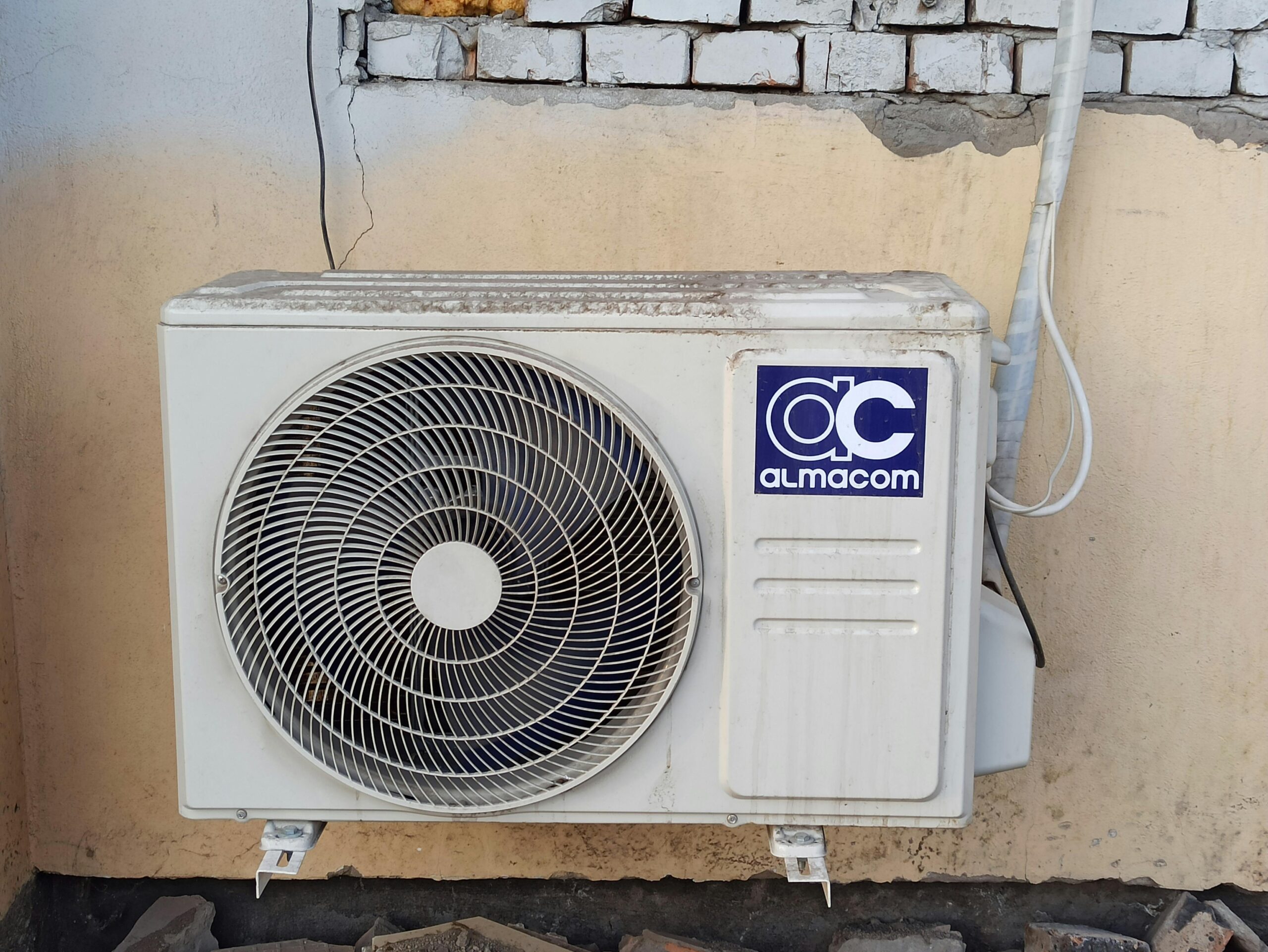
Biofilm in condensate pathways is a hidden threat that can compromise HVAC efficiency, water quality, and system longevity if left unchecked.

🔬 Understanding the Silent Enemy: What is Biofilm?
Biofilm represents one of the most persistent challenges in condensate drainage systems. This slimy, sticky substance forms when microorganisms colonize surfaces and secrete a protective matrix of extracellular polymeric substances (EPS). In condensate pathways, biofilm doesn’t just appear—it thrives, feeding on the constant moisture, organic matter, and nutrients present in condensate water.
The formation process begins almost immediately after installation. Within hours, bacteria and other microorganisms attach to pipe surfaces. Within days, these pioneers multiply and recruit additional species, creating complex microbial communities. Within weeks, the biofilm matures into a robust structure that resists conventional cleaning methods and standard biocides.
What makes biofilm particularly troublesome in condensate systems is its resilience. The protective matrix shields bacteria from antimicrobial agents, temperature fluctuations, and mechanical disturbances. This means that surface cleaning alone rarely eliminates the problem—the biofilm simply regenerates from surviving cells embedded deep within its structure.
💧 Why Condensate Pathways Are Biofilm Magnets
Condensate drainage systems create the perfect environment for biofilm development. Understanding why these pathways are so vulnerable helps explain why prevention requires such diligent attention.
First, condensate water provides constant moisture—the primary requirement for microbial growth. Unlike other plumbing systems that may experience dry periods, condensate lines remain wet whenever HVAC systems operate, which in commercial settings means nearly continuously.
Second, condensate water contains nutrients. As air passes over cooling coils, the condensate collects dust, pollen, skin cells, organic vapors, and other particulates. These materials provide ample nutrition for bacterial colonies. In food service environments or healthcare facilities, the nutrient load can be particularly high, accelerating biofilm formation.
Third, condensate systems often feature low flow velocities and stagnant zones. Unlike pressurized water systems with turbulent flow, condensate typically drains by gravity at slow rates. This allows microorganisms time to attach and colonize surfaces before being flushed away.
Temperature also plays a role. Condensate pathways typically maintain temperatures between 50-80°F (10-27°C)—the ideal range for most bacteria. Unlike hot water systems that can inhibit growth through heat, condensate systems provide comfortable conditions for microbial proliferation.
🚨 The Real Costs of Biofilm Accumulation
Ignoring biofilm in condensate pathways leads to consequences that extend far beyond aesthetic concerns. The impacts affect system performance, operational costs, health safety, and equipment lifespan.
System blockages represent the most immediate problem. As biofilm accumulates, it restricts flow through drain lines, traps, and pans. Eventually, condensate backs up, overflows drain pans, and causes water damage to ceilings, walls, and equipment. Emergency repairs following biofilm-related floods can cost thousands of dollars in a single incident.
Energy efficiency suffers when biofilm coats heat exchange surfaces. Even thin biofilm layers act as insulators, reducing heat transfer efficiency and forcing HVAC systems to work harder. Studies show that biofilm accumulation can increase energy consumption by 10-30%, translating to significant utility cost increases.
Indoor air quality degradation occurs when biofilm harbors pathogenic bacteria, mold, and other microorganisms. As air passes through contaminated systems, it can distribute these contaminants throughout buildings. Healthcare facilities, schools, and commercial buildings face particular risks, as biofilm can harbor Legionella and other dangerous pathogens.
Corrosion acceleration happens when biofilm creates anaerobic zones against metal surfaces. Certain bacteria produce corrosive byproducts that eat through pipes, pans, and coils, necessitating premature equipment replacement. Microbiologically influenced corrosion (MIC) can reduce equipment lifespan by 50% or more.
🛡️ Proven Prevention Strategies That Actually Work
Preventing biofilm requires a multi-faceted approach that addresses design, maintenance, and treatment. No single solution provides complete protection, but combining several strategies creates robust defense against biofilm formation.
Design Considerations for New Installations
Proper system design represents your first line of defense. When installing new condensate systems or renovating existing ones, incorporate features that inhibit biofilm development from day one.
Ensure adequate slope in drain lines—at least 1% grade, though 2% is better. Proper pitch prevents standing water and maintains flow velocities that discourage bacterial attachment. Avoid horizontal runs where possible, and eliminate low spots where water can pool.
Size drain lines appropriately for expected condensate volumes. Oversized pipes may seem safe, but they reduce flow velocity and create conditions favorable to biofilm. Follow manufacturer recommendations and local codes for proper sizing based on equipment capacity.
Install accessible cleanout points at strategic locations. Every horizontal run longer than 10 feet should have a cleanout, as should any direction change or connection point. Accessibility determines whether preventive maintenance actually happens.
Choose materials wisely. PVC and CPVC pipes resist biofilm better than metal alternatives, though no material is immune. Smooth interior surfaces inhibit bacterial attachment more effectively than rough ones. Avoid corrugated flexible tubing in permanent installations—the ridges create ideal biofilm anchoring points.
Maintenance Protocols That Prevent Build-Up
Regular maintenance prevents biofilm from establishing mature colonies. Establish schedules based on risk factors, system age, and environmental conditions.
Inspect drain pans monthly at minimum. Look for slime, standing water, and debris accumulation. Clean pans with appropriate detergents and sanitizers, paying special attention to corners and drain outlets where biofilm typically begins.
Flush drain lines quarterly using mechanical methods. High-velocity water flushing can remove early-stage biofilm before it matures. For longer runs or systems with biofilm history, consider professional jet-cleaning services that use pressurized water to scour pipe interiors.
Clean or replace air filters on manufacturer-recommended schedules. Dirty filters increase dust loading in condensate, providing more nutrients for biofilm. In high-contamination environments, shorten replacement intervals.
Check and clean traps regularly. P-traps can accumulate debris and biofilm, creating blockages. In low-use systems, traps may dry out, breaking the water seal and allowing sewer gases and pests to enter buildings while also creating entry points for airborne contaminants.
Chemical Treatment Options and Best Practices
Chemical treatments can suppress biofilm when used correctly, but they’re not magic bullets. Understanding their strengths, limitations, and proper application ensures effectiveness while minimizing risks.
Pan tablets represent the most common treatment method. These slow-release products dispense biocides into drain pans continuously, maintaining antimicrobial concentrations in condensate water. Choose EPA-registered products designed specifically for HVAC applications. Replace tablets according to manufacturer directions—typically every 3-6 months.
Liquid treatments offer stronger action for established biofilm. Applied directly to drain pans and lines, these products can penetrate existing biofilm matrices and kill embedded bacteria. However, they require proper dilution, contact time, and safety precautions. Never mix different products, as chemical reactions can produce dangerous gases.
Enzymatic cleaners provide non-toxic alternatives that break down organic matter biofilm feeds on. While slower-acting than harsh biocides, enzymes pose minimal health and environmental risks. They work particularly well as preventive treatments in occupied spaces where chemical exposure concerns exist.
UV light systems installed in drain pans or strategic points in drain lines can suppress microbial growth without chemicals. UV-C wavelengths damage bacterial DNA, preventing reproduction. However, biofilm can shield bacteria from UV exposure, so these systems work best as preventive measures rather than remediation tools.
🔧 DIY Techniques for Homeowners and Small Businesses
Professional service providers offer the most thorough solutions, but property owners can implement effective preventive measures between professional visits.
Create a monthly inspection routine. Check visible portions of your HVAC system for signs of biofilm, including slime in drain pans, slow drainage, musty odors, or water stains near condensate outlets. Early detection allows intervention before minor issues become major problems.
Perform simple cleaning using household materials. A mixture of one part bleach to ten parts water effectively kills bacteria in drain pans. Pour the solution into pans, let sit for 10-15 minutes, then flush with clean water. Wear gloves and ensure adequate ventilation when using bleach.
Flush drain lines quarterly using a wet-dry vacuum. Attach the vacuum hose to the drain line terminus and create suction while pouring water into the drain pan. This pulls water through the system at higher-than-normal velocity, helping dislodge early biofilm formation.
Keep areas around HVAC equipment clean and dry. Biofilm problems often start with external contamination. Regular housekeeping reduces the organic matter that can enter condensate systems and fuel biofilm growth.
Monitor drain line termination points. Ensure they discharge to appropriate locations—never into areas where pooling occurs or where discharged water can be recirculated into air intakes. Biofilm fragments in discharged condensate can colonize new areas if drainage isn’t properly managed.
🏢 Advanced Solutions for Commercial and Industrial Applications
Large facilities require more sophisticated approaches than residential systems. The stakes are higher, with greater equipment investments, occupancy levels, and regulatory requirements.
Automated treatment systems continuously inject biocides or other antimicrobial agents into condensate. These systems monitor condensate flow and adjust dosing accordingly, maintaining consistent protection without manual intervention. While more expensive initially, automation ensures treatment consistency and reduces labor costs.
Remote monitoring systems track key indicators of biofilm development. Sensors measure flow rates, pH levels, turbidity, and other parameters that change as biofilm accumulates. When readings exceed thresholds, systems alert facility managers to take action before problems escalate.
Ozone injection provides powerful oxidation that destroys biofilm and prevents regrowth. Ozone generators installed in drain pans or supply air streams continuously produce low-level ozone that suppresses microbial activity. However, ozone systems require careful design to avoid occupant exposure.
Copper-silver ionization systems release metal ions that inhibit bacterial growth. The ions remain active in condensate water as it flows through drain systems, providing ongoing protection. These systems offer chemical-free antimicrobial action with minimal maintenance requirements.
📊 Measuring Success: Monitoring and Verification
Implementing prevention strategies only matters if they actually work. Establishing monitoring protocols verifies effectiveness and identifies when adjustments are needed.
Visual inspections provide basic assessment. Document conditions with photos at each inspection, creating a visual record that reveals trends over time. Look for reductions in slime, clearer condensate water, and absence of musty odors.
ATP testing measures biological activity by detecting adenosine triphosphate, present in all living cells. Swabbing surfaces and analyzing samples provides quantitative data about microbial contamination levels. Testing before and after treatment objectively demonstrates effectiveness.
Flow rate monitoring indicates whether biofilm accumulation is restricting drainage. Measure time required to drain a known water volume from drain pans. Increasing drain times signal biofilm build-up before visible signs appear.
Energy consumption tracking can reveal biofilm’s impact on heat transfer efficiency. Compare energy usage before and after implementing prevention strategies. Reductions in consumption indicate improved heat exchange as biofilm is controlled.
💡 Creating Your Customized Prevention Plan
No universal solution fits all situations. Effective biofilm prevention requires customizing strategies to your specific circumstances, risk factors, and resources.
Start by assessing your risk level. Consider system age, environmental conditions, past problems, occupancy type, and regulatory requirements. Healthcare facilities, food service operations, and schools face higher stakes than warehouse or storage facilities.
Develop a written maintenance schedule based on risk assessment. Low-risk systems might need only quarterly inspections and annual cleaning, while high-risk applications require monthly maintenance and continuous treatment. Document procedures, responsibilities, and frequencies.
Budget appropriately for prevention. Remember that prevention costs far less than remediation. Include costs for labor, materials, testing, and professional services in annual budgets. Don’t wait until system failure forces expensive emergency responses.
Train personnel on proper procedures. Whether in-house staff or contracted services, ensure everyone understands biofilm risks, prevention principles, and correct application of treatments. Improper maintenance wastes resources and may worsen problems.
Review and adjust strategies regularly. Monitor results, track costs, and evaluate effectiveness at least annually. As systems age, environmental conditions change, or new technologies emerge, update your prevention plan accordingly.

🌟 The Long-Term Benefits of Biofilm Prevention
Investing in biofilm prevention delivers returns that extend far beyond avoiding immediate problems. The long-term benefits justify the attention and resources required for effective programs.
Equipment longevity increases dramatically when biofilm is controlled. HVAC systems can easily last 25-30 years with proper maintenance, compared to 15-20 years for neglected systems. The cost savings from extended equipment life dwarf prevention expenses.
Energy efficiency remains optimal throughout system life. Without biofilm insulating heat exchange surfaces, systems maintain design efficiency specifications. Over decades, energy savings can exceed original equipment costs.
Indoor air quality stays consistently high, supporting occupant health and productivity. Preventing biofilm eliminates a major source of biological contamination, reducing illness rates, allergy symptoms, and productivity losses associated with poor air quality.
Regulatory compliance becomes easier when biofilm prevention is part of routine maintenance. Healthcare facilities, schools, and commercial buildings face increasing scrutiny regarding water system management. Documented prevention programs demonstrate due diligence and reduce liability exposure.
Property values benefit from well-maintained mechanical systems. Prospective buyers and tenants recognize that buildings with documented maintenance programs require less immediate investment and present fewer operational risks.
Saying goodbye to biofilm isn’t about a single dramatic intervention—it’s about adopting consistent practices that prevent formation in the first place. By understanding how biofilm develops, implementing appropriate design features, maintaining diligent cleaning schedules, and applying targeted treatments when necessary, you can keep condensate pathways clear and systems operating at peak performance. The investment in prevention pays dividends in reliability, efficiency, and longevity that benefit building owners, operators, and occupants for years to come. Take action today, and transform biofilm from an inevitable problem into a preventable nuisance.