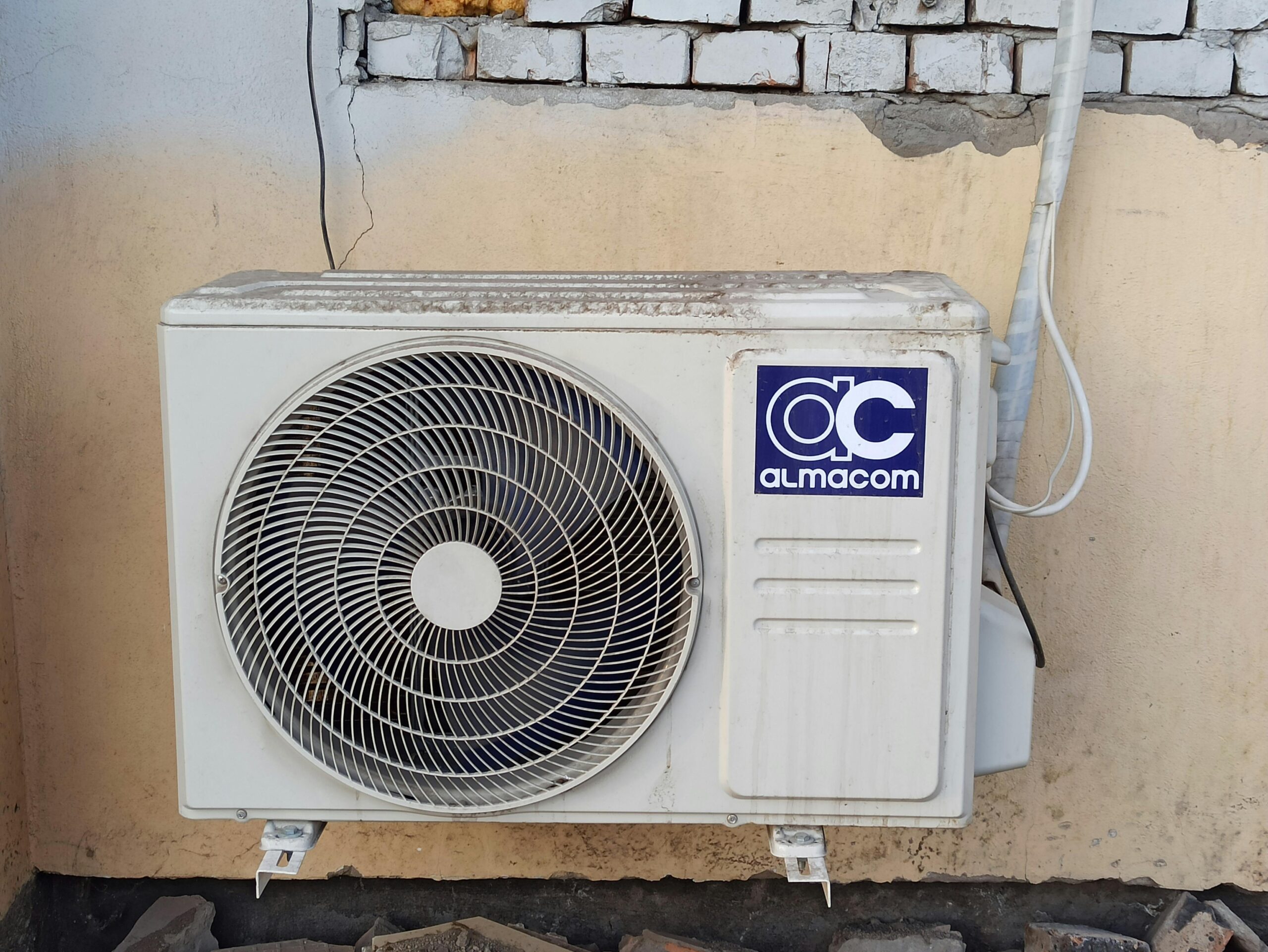
Field testing condensation devices has become essential for professionals seeking to maximize efficiency and maintain optimal performance in industrial and commercial environments. 🔧

Understanding the Critical Role of Condensation Devices in Modern Operations
Condensation devices serve as the backbone of numerous industrial processes, from HVAC systems to manufacturing plants. These specialized units manage moisture levels, prevent equipment damage, and ensure consistent operational efficiency. When condensation systems fail or underperform, the ripple effects can be devastating—leading to equipment corrosion, energy waste, and costly downtime.
The importance of proper field testing cannot be overstated. Unlike laboratory conditions, real-world environments present unique challenges including temperature fluctuations, humidity variations, and contamination factors that can significantly impact device performance. Field testing provides authentic data that reflects actual operating conditions, enabling teams to make informed decisions about equipment selection, maintenance schedules, and system optimization.
Organizations that invest in comprehensive field testing protocols often see dramatic improvements in productivity metrics. By identifying performance bottlenecks early and addressing them proactively, businesses can avoid catastrophic failures and maintain continuous operations. This preventive approach transforms condensation management from a reactive maintenance task into a strategic productivity driver.
Essential Parameters to Monitor During Field Testing 📊
Successful field testing requires systematic monitoring of multiple performance indicators. Understanding which parameters matter most helps teams focus their efforts and resources effectively.
Temperature Differential and Thermal Efficiency
The temperature difference between incoming and outgoing flows directly indicates how effectively your condensation device is transferring heat. Measuring this differential at various operational loads provides insights into device efficiency across different usage scenarios. Record readings during peak demand periods, standard operations, and low-activity times to establish a comprehensive performance profile.
Thermal efficiency testing should include ambient temperature considerations. External weather conditions can significantly affect device performance, particularly in systems exposed to outdoor environments. Document correlation patterns between ambient conditions and device efficiency to predict seasonal performance variations.
Moisture Removal Capacity and Drainage Performance
The primary function of condensation devices is moisture management. Measure the volume of condensate collected over specific time intervals to establish baseline removal capacity. Compare these measurements against manufacturer specifications to identify any performance degradation or unexpected operational issues.
Drainage system performance is equally crucial. Clogged drains or inadequate drainage capacity can cause water backup, reducing overall system efficiency and potentially causing equipment damage. Regular inspection of drainage components during field testing helps prevent these preventable failures.
Energy Consumption Patterns and Optimization Opportunities
Modern productivity initiatives must balance performance with energy efficiency. Installing temporary power monitoring equipment during field testing reveals actual energy consumption patterns, which often differ significantly from theoretical calculations or manufacturer estimates.
Identify peak consumption periods and investigate whether they correlate with actual operational needs or indicate inefficiencies. Many organizations discover that condensation devices consume unnecessary energy during low-demand periods due to improperly configured control systems.
Implementing a Robust Field Testing Protocol ⚙️
A structured approach to field testing ensures consistent, reliable results that support data-driven decision making.
Pre-Testing Preparation and Equipment Calibration
Before initiating field tests, verify that all measurement instruments are properly calibrated. Inaccurate measurements lead to faulty conclusions and misguided optimization efforts. Establish calibration schedules and maintain detailed records of instrument accuracy verification.
Document baseline conditions including system age, maintenance history, and any recent modifications. This contextual information proves invaluable when analyzing test results and comparing performance across different time periods or similar equipment installations.
Establishing Testing Intervals and Duration
Short-term testing may miss important performance variations that occur over extended operational cycles. Design testing protocols that span multiple operational scenarios including startup sequences, steady-state operations, shutdown procedures, and various load conditions.
Consider seasonal testing programs that capture performance data across different weather conditions and ambient temperatures. Annual comparison data reveals long-term degradation trends and helps predict optimal replacement or upgrade timing.
Data Collection Methods and Digital Tools
Manual data collection remains viable for small-scale testing, but automated monitoring systems provide superior accuracy and consistency. Digital sensors and data logging equipment eliminate human error and enable continuous monitoring without constant personnel presence.
Modern IoT-enabled monitoring solutions offer real-time data transmission and cloud-based analysis capabilities. These systems alert maintenance teams immediately when performance deviates from established parameters, enabling rapid response before minor issues escalate into major problems.
Analyzing Field Test Results for Maximum Impact 📈
Collecting data represents only half the equation—extracting actionable insights drives actual productivity improvements.
Identifying Performance Trends and Anomalies
Plot collected data over time to visualize performance trends. Gradual degradation patterns indicate normal wear requiring scheduled maintenance, while sudden performance drops suggest acute problems demanding immediate attention.
Compare performance metrics against industry benchmarks and manufacturer specifications. Devices operating significantly below expected parameters may require adjustment, cleaning, or component replacement. Conversely, equipment exceeding performance expectations provides valuable case studies for optimization of similar installations.
Root Cause Analysis for Underperformance
When testing reveals suboptimal performance, systematic investigation identifies underlying causes. Common culprits include improper installation, inadequate maintenance, contamination, component wear, or control system misconfiguration.
Document investigation processes and findings to build organizational knowledge. Future troubleshooting efforts benefit from historical precedents, accelerating problem resolution and reducing diagnostic time.
Optimization Strategies Based on Field Testing Data 🚀
Field testing data illuminates specific opportunities for performance enhancement and productivity gains.
Preventive Maintenance Schedule Refinement
Generic maintenance schedules often prove either excessive or insufficient for specific operational environments. Field testing data enables customized maintenance programs tailored to actual equipment usage patterns and environmental conditions.
Transition from time-based maintenance to condition-based maintenance approaches. Instead of servicing equipment on arbitrary calendar schedules, perform maintenance when actual performance indicators suggest intervention is needed. This strategy reduces unnecessary maintenance costs while preventing unexpected failures.
Control System Programming and Automation
Many condensation devices operate with default control settings that don’t optimize performance for specific applications. Field testing identifies opportunities to adjust control parameters including activation thresholds, operational cycles, and response timing.
Advanced automation systems can dynamically adjust device operation based on real-time conditions. Integrating field testing insights into automated control logic creates self-optimizing systems that maintain peak efficiency across varying operational demands.
Capacity Planning and Equipment Sizing
Field testing frequently reveals that equipment is either oversized or undersized for actual operational requirements. Oversized equipment consumes excessive energy and may cycle inefficiently, while undersized units struggle to meet demand during peak periods.
Use field data to right-size equipment during replacement cycles or expansion projects. Proper sizing delivers optimal efficiency, reduces capital expenditure, and lowers operational costs throughout equipment lifecycle.
Common Field Testing Mistakes and How to Avoid Them ⚠️
Even well-intentioned field testing programs can produce misleading results when common pitfalls aren’t recognized and avoided.
Insufficient Testing Duration
Brief testing periods may coincidentally occur during atypical operational conditions, producing unrepresentative data. Extend testing duration to capture complete operational cycles and various environmental conditions. Minimum testing periods should span at least one complete week of normal operations, preferably longer for seasonal variations.
Ignoring Environmental Variables
Condensation device performance is highly sensitive to ambient conditions. Failing to document temperature, humidity, air pressure, and other environmental factors during testing limits the usefulness of collected data. Comprehensive environmental monitoring enables accurate performance correlation and predictive modeling.
Overlooking Interaction Effects
Condensation devices rarely operate in isolation. System-level interactions with connected equipment, upstream processes, and downstream operations significantly impact individual device performance. Holistic testing that considers the entire system context produces more accurate and actionable insights than isolated component testing.
Advanced Field Testing Techniques for Sophisticated Operations 🔬
Organizations seeking competitive advantages through operational excellence can implement advanced testing methodologies that provide deeper performance insights.
Thermal Imaging and Non-Invasive Diagnostics
Infrared thermal imaging reveals temperature distribution patterns across condensation devices, identifying hot spots, cold zones, and thermal bridging that indicate performance issues. This non-invasive technique enables assessment without system shutdown or disassembly.
Ultrasonic testing detects leaks, flow restrictions, and mechanical wear in operating equipment. Combining multiple diagnostic techniques provides comprehensive equipment condition assessment that guides maintenance priorities and investment decisions.
Computational Fluid Dynamics Validation
For critical applications, field testing data can validate computational fluid dynamics (CFD) models of condensation device operation. Validated models enable virtual testing of optimization scenarios, reducing the need for expensive physical prototyping and accelerating improvement implementation.
Predictive Analytics and Machine Learning Applications
Advanced organizations leverage machine learning algorithms to analyze field testing data and predict future performance trends. These systems identify subtle pattern changes that precede equipment failures, enabling truly proactive maintenance strategies.
Predictive models trained on historical field data can forecast optimal operating parameters for changing conditions, automatically adjusting system controls to maintain peak efficiency regardless of external variables.
Building a Culture of Continuous Performance Improvement 💡
Sustainable productivity gains require more than occasional field testing initiatives—they demand organizational commitment to continuous performance monitoring and improvement.
Training and Skill Development
Invest in training programs that develop field testing competencies across your technical teams. Personnel equipped with proper testing methodologies, analytical skills, and troubleshooting expertise become force multipliers for productivity improvement efforts.
Cross-functional training that includes operations, maintenance, and engineering staff promotes shared understanding of condensation device performance requirements and optimization opportunities. This collaborative approach accelerates problem identification and solution implementation.
Documentation and Knowledge Management
Systematic documentation of field testing procedures, results, and improvement actions builds organizational knowledge assets. Comprehensive records enable trend analysis, support regulatory compliance, and prevent knowledge loss when experienced personnel transition to other roles.
Establish centralized databases that make field testing information accessible to authorized personnel across the organization. Cloud-based platforms facilitate information sharing and enable remote experts to contribute to local problem-solving efforts.
Performance Benchmarking and Goal Setting
Establish clear performance metrics based on field testing results and track progress over time. Quantifiable goals transform abstract improvement initiatives into concrete objectives that motivate teams and demonstrate value to organizational leadership.
Regular performance reviews comparing current metrics against historical baselines and industry standards maintain focus on continuous improvement. Celebrate achievements while identifying emerging opportunities for further optimization.
Maximizing Return on Field Testing Investment 💰
Field testing programs represent significant investments of time, resources, and personnel attention. Maximizing return on these investments requires strategic focus and disciplined execution.
Prioritize testing efforts on equipment that has the greatest impact on operational productivity and cost structure. Critical path equipment, high-energy consumers, and devices with documented reliability issues deserve testing attention before less consequential systems.
Leverage field testing insights to support capital investment decisions. Documented performance data provides objective justification for equipment upgrades, replacements, or expansion projects, facilitating approval processes and ensuring resource allocation aligns with actual operational needs.
Calculate and communicate the financial impact of improvements implemented based on field testing results. Demonstrating measurable returns in terms of energy savings, reduced downtime, extended equipment life, and improved product quality builds support for continued investment in testing programs.

Transforming Data Into Sustained Productivity Gains 🎯
The ultimate measure of field testing success lies not in data collected but in productivity improvements realized. Organizations that systematically translate testing insights into operational changes experience transformative performance enhancements.
Establish rapid implementation processes that quickly convert identified opportunities into actual improvements. Excessive delays between problem identification and solution implementation waste testing investment and extend the period of suboptimal performance.
Create feedback loops that verify improvement effectiveness. Post-implementation testing confirms that changes deliver expected benefits and identifies any unintended consequences requiring additional adjustment.
Field testing condensation devices represents a powerful lever for productivity enhancement when approached systematically and executed professionally. Organizations that commit to comprehensive testing programs, invest in proper tools and training, and diligently implement data-driven improvements position themselves for sustained competitive advantage through operational excellence.