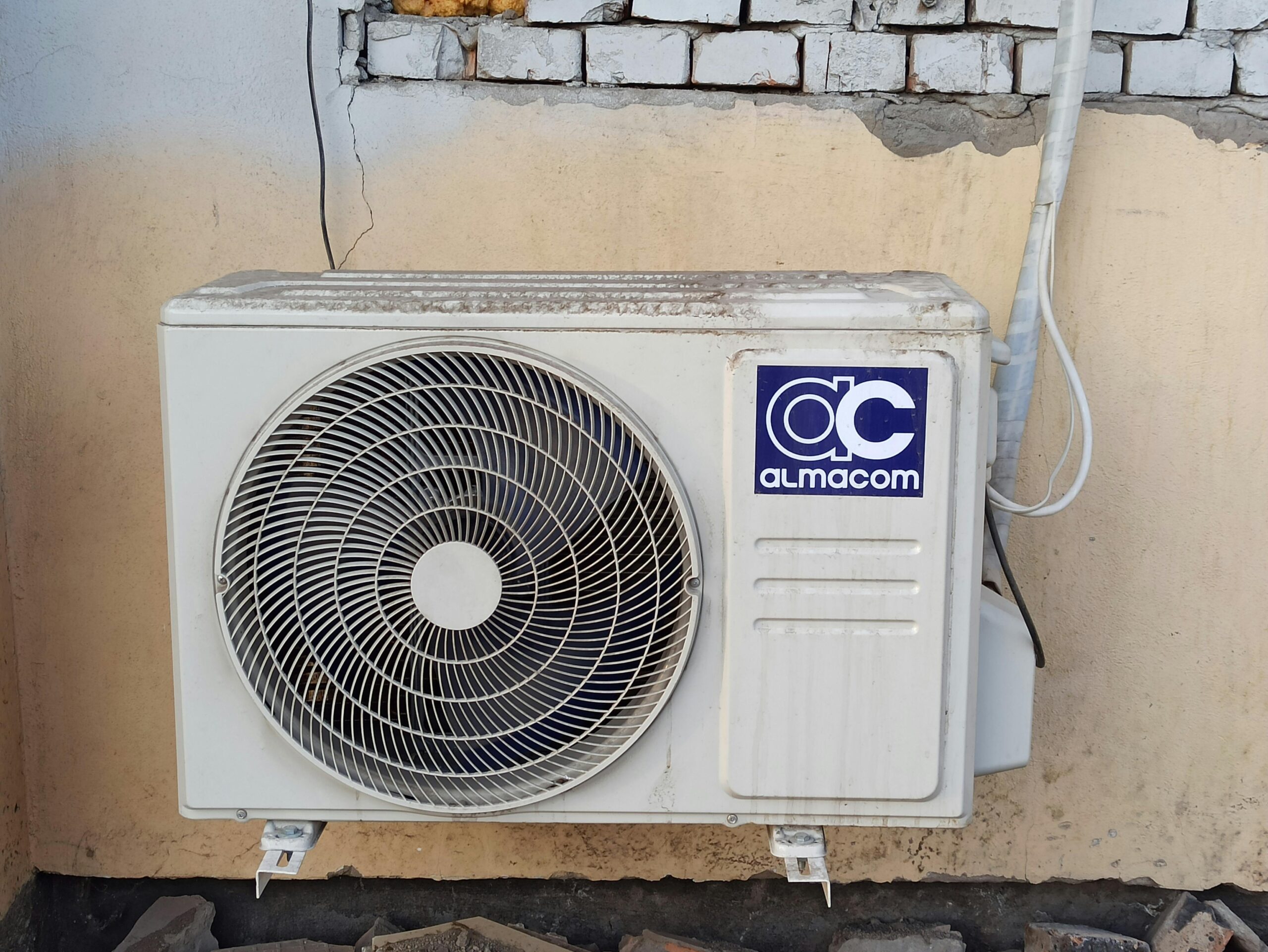
Water scarcity affects billions worldwide, yet innovative atmospheric water generation technology offers a sustainable solution by extracting moisture directly from the air we breathe.

🌍 The Growing Water Crisis and Emerging Solutions
Our planet faces an unprecedented water crisis. According to the United Nations, approximately 2.2 billion people lack access to safely managed drinking water services. Climate change, population growth, and pollution are exacerbating this challenge daily. Traditional water sources—rivers, lakes, and underground aquifers—are becoming increasingly stressed or contaminated.
Yet there’s an abundant, largely untapped resource floating above our heads: atmospheric water vapor. The atmosphere contains approximately 12,900 cubic kilometers of water at any given time. Air-to-water condensation technology represents a paradigm shift in how we think about water generation, offering hope for communities facing severe water shortages.
This innovative approach doesn’t require connection to municipal water systems, doesn’t deplete groundwater reserves, and can operate independently in remote locations. It’s a technology that could fundamentally transform water accessibility across the globe.
💧 Understanding the Science Behind Atmospheric Water Generation
Air-to-water condensation isn’t science fiction—it’s applied thermodynamics. The technology mimics nature’s own water cycle, specifically the condensation process that creates morning dew. When humid air comes into contact with a surface cooler than its dew point temperature, water vapor transforms into liquid droplets.
Atmospheric water generators (AWGs) employ this principle through sophisticated engineering. These systems draw ambient air through filters, cool it below the dew point using refrigeration coils or thermoelectric coolers, capture the condensed water, and then purify it for consumption.
The Core Components of AWG Systems
Modern water generation systems consist of several critical components working in harmony:
- Air filtration systems: Remove particulates, dust, and pollutants before condensation
- Cooling mechanisms: Refrigerant-based compressors or Peltier effect devices that lower air temperature
- Condensation surfaces: Specially designed coils or plates that maximize water collection efficiency
- Collection reservoirs: Storage tanks that gather condensed water before purification
- Purification modules: Multi-stage filtration including UV sterilization and mineralization
- Smart sensors: Monitor humidity, temperature, water quality, and system performance
The efficiency of these systems depends heavily on environmental conditions. Higher humidity levels and moderate temperatures create optimal conditions for water generation. Systems can produce anywhere from a few liters to thousands of liters daily, depending on their size and atmospheric conditions.
🔬 Different Technologies Powering Water Generation
Not all atmospheric water generators use the same approach. Several distinct technologies have emerged, each with unique advantages and ideal use cases.
Refrigeration-Based Systems
These conventional AWGs use compressor-based cooling similar to air conditioners or dehumidifiers. Air passes over refrigerated coils, causing water vapor to condense. This mature technology offers high production volumes and works effectively in moderate humidity environments (typically above 30% relative humidity).
The primary drawback is energy consumption. Compressor systems require significant electricity, making them less suitable for off-grid applications without substantial solar or generator capacity. However, they remain the most commercially viable option for large-scale water production.
Thermoelectric (Peltier) Systems
Peltier devices create temperature differentials using electrical current without moving parts or refrigerants. These solid-state systems are quieter, more compact, and require less maintenance than compressor units. They’re ideal for smaller-scale applications and portable devices.
The trade-off comes in efficiency. Thermoelectric systems typically produce less water per kilowatt-hour than refrigeration-based units, making them better suited for personal or small household use rather than community-scale generation.
Desiccant-Based Absorption
This innovative approach uses hygroscopic materials—substances that naturally absorb moisture from air—to capture water vapor. Materials like silica gel, zeolites, or specialized metal-organic frameworks (MOFs) trap water molecules, which are then released through heating and collected as liquid water.
Desiccant systems can operate in lower humidity conditions than condensation-based methods, potentially below 20% relative humidity. They’re particularly promising for arid regions where conventional AWGs struggle. Recent advances in MOF technology have dramatically improved absorption capacity and regeneration efficiency.
Hybrid and Emerging Technologies
Researchers are developing hybrid systems that combine multiple approaches for enhanced efficiency. Some integrate solar thermal collection with desiccant absorption, using sunlight both to power the system and regenerate the absorbent material. Others combine passive condensation structures with active cooling during peak humidity periods.
Biomimetic designs inspired by desert beetles, fog-harvesting plants, and other organisms have led to passive collection systems requiring no external power. While production volumes remain modest, these approaches offer ultra-low-cost options for supplemental water in resource-limited settings.
⚡ Energy Considerations and Sustainability
Energy consumption represents the most significant operational challenge for atmospheric water generation. The thermodynamic reality is that condensing water from air requires energy—typically between 0.2 to 2 kWh per liter, depending on humidity, temperature, and system efficiency.
This energy requirement has prompted criticism that AWGs might not be environmentally sustainable in regions relying on fossil fuel electricity. However, several factors provide important context:
- Energy intensity compares favorably to desalination in many scenarios
- Solar panel integration enables completely renewable operation
- Grid-independent operation eliminates infrastructure costs of traditional water systems
- No water transport reduces fossil fuel consumption for distribution
- Technological improvements continue reducing energy requirements significantly
Next-generation systems are achieving dramatic efficiency improvements through better heat exchangers, advanced refrigerants, and intelligent operation that maximizes production during optimal atmospheric conditions. Some commercial units now operate at under 0.3 kWh per liter in favorable conditions.
🏡 Real-World Applications Across Diverse Settings
Atmospheric water generation technology has moved far beyond laboratory concepts into practical deployment across numerous applications.
Residential Solutions for Home Water Independence
Home AWG units ranging from countertop appliances producing 10-20 liters daily to whole-house systems generating 100+ liters provide drinking water security for families. These systems are particularly valuable in areas with contaminated groundwater, unreliable municipal supplies, or high water costs.
Modern residential units feature smartphone connectivity, allowing users to monitor production, schedule operation during off-peak electricity rates, and receive filter replacement alerts. The water quality often exceeds bottled water standards, with customizable mineralization for taste preferences.
Commercial and Industrial Implementations
Offices, hotels, hospitals, and manufacturing facilities are adopting AWG technology to reduce dependence on bottled water delivery or stressed municipal systems. Large-scale commercial units can produce thousands of liters daily, meeting the needs of substantial operations.
The hospitality industry has been an early adopter, attracted by sustainability messaging, cost savings on bottled water, and independence from local water quality issues. Some resort destinations in water-scarce regions now rely entirely on atmospheric water generation.
Humanitarian and Emergency Response
Portable AWG units have proven invaluable in disaster relief scenarios where water infrastructure is damaged or contaminated. Military organizations have deployed these systems extensively, eliminating the logistics burden of transporting water to remote bases.
Non-governmental organizations are installing community-scale systems in refugee camps and underserved villages without reliable water access. These installations often combine with solar power for completely self-sufficient operation.
Agricultural Applications
While AWG production volumes aren’t sufficient for irrigation at scale, the technology supports specific agricultural applications like greenhouse operations, livestock hydration, and high-value crop cultivation. The ultra-pure water quality is particularly beneficial for hydroponic and aeroponic growing systems.
📊 Comparing AWG Technology to Traditional Water Sources
| Factor | Atmospheric Water Generation | Municipal Supply | Well Water | Bottled Water |
|---|---|---|---|---|
| Infrastructure Required | Minimal – just electricity | Extensive pipelines | Drilling and pumping | Production and distribution |
| Water Quality | High purity, customizable | Variable, treatment-dependent | Varies, potential contamination | Generally high |
| Environmental Impact | Energy consumption concern | Treatment chemicals, aging pipes | Aquifer depletion | Plastic waste, transport emissions |
| Operating Costs | Electricity, filter replacement | Monthly fees, aging infrastructure | Pump maintenance, testing | Continuous purchase expense |
| Reliability | Humidity-dependent | Generally reliable | Drought-vulnerable | Supply chain-dependent |
🚀 Innovations Shaping the Future of Water Generation
The atmospheric water generation field is experiencing rapid innovation, with researchers and companies developing breakthrough technologies that address current limitations.
Advanced Materials Revolution
Metal-organic frameworks represent perhaps the most exciting development. These crystalline compounds possess extraordinary surface areas—up to 7,000 square meters per gram—allowing unprecedented water vapor capture. MOFs can function in humidity levels as low as 10%, opening possibilities for water generation in extremely arid environments previously considered unsuitable.
Researchers at MIT and other institutions have developed MOF-based systems that require no external power, using only ambient temperature fluctuations to drive water absorption and release cycles. This could enable truly passive water generation at minimal cost.
Artificial Intelligence Optimization
Machine learning algorithms are optimizing AWG operation by predicting optimal production times based on weather forecasts, electricity pricing, and usage patterns. These intelligent systems maximize efficiency by operating when atmospheric conditions are most favorable and energy costs are lowest.
Predictive maintenance powered by AI extends system lifespan by identifying component degradation before failure occurs, reducing downtime and maintenance costs significantly.
Integration with Renewable Energy
Next-generation systems are being designed specifically for renewable energy integration. Solar-thermal AWGs use concentrated sunlight both to power the system and provide the temperature differential needed for condensation. Wind-powered units in coastal regions leverage both wind energy and maritime humidity.
Battery storage integration allows systems to operate continuously while drawing grid power only during off-peak hours, dramatically reducing operating costs and environmental impact.
💰 Economic Viability and Cost Considerations
Understanding the economics of atmospheric water generation is essential for evaluating whether the technology makes sense for specific applications.
Capital costs for residential systems typically range from $1,000 for basic 20-liter units to $5,000+ for whole-house systems. Commercial and industrial installations can require investments of $50,000 to several million dollars for large-scale operations.
Operating costs depend primarily on electricity rates and local humidity. In favorable conditions with moderate electricity costs, per-liter production costs can approach $0.05-0.15, competitive with bottled water and sometimes municipal supplies when infrastructure costs are factored. In less favorable conditions, costs may reach $0.50+ per liter.
The economic equation shifts significantly when considering avoided costs: eliminating bottled water purchases, avoiding expensive water infrastructure development, or reducing water transportation in remote locations. For many applications, particularly off-grid or water-scarce scenarios, AWG technology proves economically compelling despite higher per-unit costs.
🌱 Environmental Impact and Sustainability Assessment
The sustainability profile of atmospheric water generation is nuanced and context-dependent. Critics rightfully point out that energy-intensive condensation seems counterintuitive in addressing environmental challenges. However, a comprehensive assessment reveals more complexity.
AWG technology eliminates plastic bottle waste—a massive environmental problem. It reduces pressure on overtapped aquifers and stressed surface water sources. It eliminates chemical treatments required for traditional water purification. In many contexts, the environmental footprint compares favorably to alternatives when the full lifecycle is considered.
The environmental equation improves dramatically when renewable energy powers the systems. Solar-powered AWG installations in sunny, moderately humid regions can provide genuinely sustainable water with minimal environmental impact.
As global electricity grids transition toward renewable sources, the environmental case for atmospheric water generation strengthens considerably. The technology essentially becomes a method of harvesting solar or wind energy in the form of liquid water.
🔮 Transformative Potential for Water-Stressed Regions
Perhaps the most compelling case for atmospheric water generation technology lies in its potential to transform water access in stressed regions. Island nations, desert communities, and areas with contaminated groundwater face existential water challenges that conventional solutions cannot adequately address.
The Maldives, facing both limited freshwater and rising seas, has invested significantly in AWG technology. Middle Eastern nations are exploring large-scale deployment as part of water security strategies. Indigenous communities in remote areas without infrastructure are implementing solar-powered systems for reliable clean water.
The technology’s true promise isn’t replacing existing water infrastructure in well-served areas, but extending water access to populations and locations where conventional approaches are impractical, prohibitively expensive, or environmentally damaging.
As climate change alters precipitation patterns and makes traditional water sources less reliable, the ability to generate water from atmospheric humidity—a resource that exists even in arid regions—represents a crucial adaptation strategy. AWG technology offers resilience in an increasingly uncertain water future.
🎯 Practical Considerations for Adoption
Organizations and individuals considering atmospheric water generation should evaluate several factors to determine suitability. Local climate is paramount—regions with relative humidity consistently above 30% and moderate temperatures offer the most favorable conditions.
Energy availability and costs significantly impact viability. Access to affordable renewable energy makes adoption far more attractive. System sizing should match actual needs rather than over-specifying capacity, as smaller, appropriately-sized units often operate more efficiently than oversized ones running intermittently.
Water quality requirements matter too. AWG technology excels at producing ultra-pure water, sometimes requiring remineralization for taste and health. Applications requiring high-purity water, like medical facilities or specialty manufacturing, find particular value in AWG systems.
Maintenance commitments should not be overlooked. Regular filter replacement and periodic system servicing are essential for optimal performance and water quality. Reliable local service or in-house technical capacity is important for sustained operation.

🌟 The Water Generation Revolution Ahead
Atmospheric water generation stands at an inflection point. Technological advances are rapidly improving efficiency while reducing costs. Growing water scarcity is increasing demand for alternative sources. Renewable energy expansion is addressing sustainability concerns. These converging trends suggest the technology is poised for significant growth.
The next decade will likely see AWG systems become commonplace in specific applications: emergency preparedness, off-grid living, water-scarce regions, and as backup systems for critical facilities. Continued innovation may expand applications into areas currently uneconomical.
This technology won’t replace traditional water infrastructure wholesale, nor should it. But it represents a valuable tool in the portfolio of solutions humanity needs to address water security challenges. By unlocking the power of air-to-water condensation, we’re quite literally pulling solutions out of thin air—transforming an abundant atmospheric resource into life-sustaining water exactly where and when it’s needed.
The invisible moisture surrounding us has always been there. Now, innovative technology is finally making it accessible, offering hope for a more water-secure future regardless of traditional source availability.