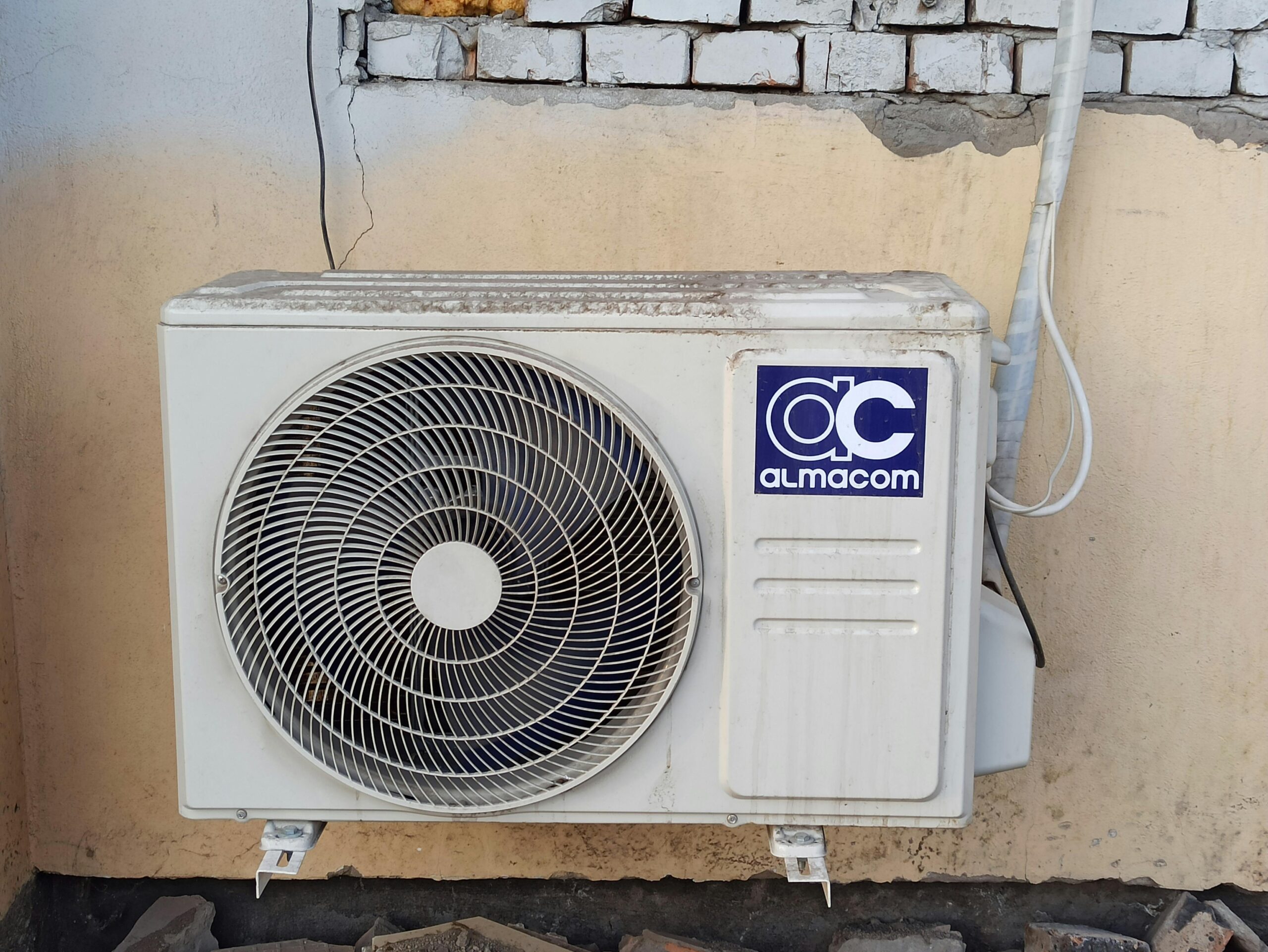
Understanding how daily temperature fluctuations affect condensate production is essential for industries ranging from HVAC systems to natural gas processing and atmospheric water generation. 🌡️

The Science Behind Condensate Formation and Temperature Variation
Condensate formation occurs when vapor transitions to liquid state as temperatures drop below the dew point. This fundamental phase change drives efficiency across multiple industrial applications, from cooling systems to hydrocarbon extraction. The relationship between temperature swings and condensate yield isn’t merely academic—it directly impacts operational profitability and resource recovery rates.
Temperature differentials create the driving force for condensation. When warm, moisture-laden air encounters cooler surfaces or experiences ambient temperature drops, water vapor loses kinetic energy. Molecules slow down, allowing intermolecular forces to pull them together into liquid droplets. The greater the temperature swing, the more dramatic this phase transition becomes.
Daily temperature cycles naturally provide these conditions. Morning coolness followed by afternoon heat creates repeating opportunities for condensation. Smart operators leverage these natural patterns rather than fighting against them, timing operations to coincide with optimal temperature conditions.
Why Daily Temperature Swings Matter More Than You Think
Many facilities overlook the significant impact of diurnal temperature variations on condensate recovery. A 10-15°C daily temperature swing can increase condensate yield by 20-35% compared to stable temperature environments. This isn’t a minor efficiency gain—it represents substantial resource recovery that translates directly to bottom-line improvements.
In natural gas processing, temperature swings affect hydrocarbon dew points and liquid recovery rates. During cooler periods, heavier hydrocarbons condense more readily, improving natural gas liquid (NGL) extraction. Refineries and processing plants that align separation processes with daily temperature minimums consistently outperform those running continuous operations without temperature consideration.
Atmospheric water generators (AWGs) demonstrate this principle dramatically. These systems extract moisture from air, and their efficiency correlates strongly with temperature and humidity differentials. Units operating in climates with significant day-night temperature swings can produce 40-60% more water than identical systems in temperature-stable environments.
Identifying Your Optimal Temperature Window 📊
Not all temperature swings are created equal. The optimal operating window depends on your specific application, fluid composition, and equipment design. Determining your ideal temperature range requires systematic observation and data collection.
Start by monitoring condensate production rates alongside temperature readings throughout 24-hour cycles. Record data at minimum two-hour intervals for at least two weeks to capture representative patterns. Pay special attention to the relationship between temperature drop rate and condensate accumulation—rapid temperature decreases often trigger disproportionately higher yields.
The dew point of your vapor mixture represents the critical temperature threshold. Operating just below this point maximizes condensation while minimizing energy waste from excessive cooling. For hydrocarbon mixtures, this calculation becomes more complex due to varying component volatilities, but the principle remains constant.
Key Parameters to Track Daily
- Ambient temperature highs and lows
- Process stream temperatures at multiple points
- Condensate volume recovered per time interval
- Relative humidity (for atmospheric applications)
- Pressure readings across condensation equipment
- Energy consumption during different temperature periods
Strategic Timing: Synchronizing Operations with Temperature Cycles
Once you’ve identified your optimal temperature windows, the next step involves synchronizing operational activities to maximize condensate recovery. This doesn’t necessarily mean shutting down during warm periods—rather, it means prioritizing condensation-dependent processes during cooler hours.
For atmospheric water generation systems, running compressors and condensers during early morning hours (typically 4-8 AM) captures the daily temperature minimum. This timing also often coincides with peak humidity following nighttime cooling, creating doubly favorable conditions. Some operators report 35-50% efficiency improvements simply by shifting operating schedules.
In natural gas processing, adjusting separator temperatures to track ambient conditions can enhance liquid recovery without additional refrigeration costs. During summer months when daily swings might range from 20°C to 35°C, lowering separator operating temperatures during nighttime hours by just 3-5°C can boost NGL recovery significantly.
Equipment Optimization for Temperature Swing Harvesting 🔧
Standard condensation equipment wasn’t necessarily designed with daily temperature cycling in mind. Optimizing your systems to leverage these swings often requires modifications or operational adjustments.
Heat exchanger sizing represents a critical consideration. Oversized exchangers provide greater surface area for condensation during marginal temperature conditions, while undersized units become bottlenecks during optimal periods. Many facilities find that installing variable-speed fans or pumps allows them to modulate cooling capacity in response to ambient conditions, maintaining optimal approach temperatures throughout the day.
Insulation strategy matters more than many operators realize. While insulation typically prevents heat loss, strategic partial insulation can allow process streams to track ambient temperatures in controlled ways. Some operators deliberately leave specific equipment sections exposed to ambient conditions, creating passive cooling during nighttime hours while maintaining active temperature control during the day.
System Modifications That Enhance Temperature Response
- Variable-speed drive installation on cooling equipment
- Thermal storage systems to extend cool-period benefits
- Automated control systems tied to temperature sensors
- Increased condensate storage capacity to capture production spikes
- Enhanced surface area through fin additions or exchanger upgrades
The Role of Humidity in Temperature-Driven Condensation
Temperature tells only half the story—humidity plays an equally critical role in atmospheric condensation applications. The relationship between temperature and moisture-holding capacity follows an exponential curve: warmer air holds dramatically more water vapor than cooler air.
This creates interesting opportunities during daily cycles. Air that’s 50% saturated at 30°C contains more absolute moisture than air that’s 90% saturated at 15°C. However, cooling that warm air to 20°C raises its relative humidity above 80%, bringing it much closer to the dew point where condensation occurs readily.
Coastal and tropical environments often experience minimal temperature swings but high absolute humidity levels. In these locations, even modest 5-8°C nighttime temperature drops can trigger substantial condensation because the air starts with such high moisture content. Desert environments show opposite characteristics—dramatic temperature swings but low absolute humidity, requiring different optimization strategies.
Seasonal Considerations and Annual Planning
Daily temperature swings vary dramatically by season, and successful condensate management requires annual planning that accounts for these variations. Summer and winter present different challenges and opportunities in most climates.
Summer typically offers larger absolute temperature swings—the difference between daytime and nighttime temperatures often reaches its annual maximum during warm months. However, higher minimum temperatures mean you’re working at elevated baseline conditions. Winter provides lower absolute temperatures, bringing you closer to optimal condensation points, but daily swings may be smaller, especially in overcast maritime climates.
Smart operators develop seasonal operating profiles that adjust control set points, operating schedules, and equipment configurations quarterly. A natural gas processing plant might run separators at 5°C during summer but -2°C during winter, both targeting the same approach to ambient conditions while accounting for seasonal baseline shifts.
Monitoring Technologies and Automation Solutions 📱
Modern sensor technology and control systems have revolutionized condensate optimization. Real-time temperature monitoring at multiple points, combined with automated response systems, allows facilities to capitalize on temperature swings without constant manual intervention.
Wireless sensor networks can monitor temperature profiles across large facilities, identifying microclimates and optimal locations for condensation equipment. Some areas of a plant site may experience temperature swings 3-5°C larger than others due to shading, airflow patterns, or proximity to water bodies. Locating condensers in these high-swing zones can boost yields substantially.
Predictive control systems take this further by incorporating weather forecasts into operational planning. If meteorological data indicates an unusually cool night approaching, automated systems can pre-cool process streams, increase throughput to condensation equipment, or expand storage capacity to capture the anticipated production spike.
Economic Impact: Calculating Return on Optimization
Temperature swing optimization isn’t just good engineering—it’s sound economics. The costs of implementation typically pale compared to the value of increased condensate recovery, especially given current commodity prices and water scarcity concerns.
Consider a mid-sized natural gas processing facility recovering 500 barrels of condensate daily. A 20% yield improvement through temperature optimization adds 100 barrels per day. At $60 per barrel, that’s $6,000 daily or $2.19 million annually. If optimization requires $300,000 in equipment modifications and controls, payback occurs in less than two months.
For atmospheric water generation, the economics depend on alternative water costs. In regions where municipal water costs $2-3 per cubic meter, or where water must be trucked in at $10-20 per cubic meter, increased AWG efficiency through temperature optimization delivers rapid returns. A 30% efficiency improvement on a system producing 1,000 liters daily saves $110-2,190 annually depending on alternative water costs—modest but meaningful for remote operations.
Common Pitfalls and How to Avoid Them ⚠️
Temperature swing optimization isn’t without challenges. Several common mistakes can undermine results or even reduce yields below baseline performance.
Over-cooling represents a frequent error. Dropping temperatures too far below the dew point wastes energy without proportionally increasing condensate recovery. The phase change occurs at the dew point—additional cooling merely chills the resulting liquid. Target temperatures should hover 2-5°C below the dew point, not 15-20°C below.
Ignoring pressure effects creates another problem. The dew point temperature varies with pressure, and many operators optimize for temperature alone. In pressurized systems, failing to account for pressure-temperature interactions can mean missing the actual condensation window entirely.
Inadequate condensate removal can negate optimization efforts. If condensate accumulates in low points or overwhelms drainage systems during high-production periods, it can re-vaporize when temperatures rise, effectively losing your gains. Ensure drainage capacity exceeds peak production rates by at least 25-30%.
Red Flags That Indicate Optimization Problems
- Increasing energy consumption without proportional yield increases
- Condensate production that doesn’t track temperature patterns
- Equipment icing or frost formation indicating over-cooling
- Pressure drop increases across condensation equipment
- Inconsistent results between similar operating conditions
Case Study Insights from Successful Implementations
Real-world applications demonstrate the power of temperature swing optimization across diverse industries. A condensate recovery project in West Texas natural gas fields increased liquid recovery 28% by adjusting separator operating schedules to align with diurnal temperature patterns. The facility shifted its highest throughput periods to coincide with the 5-8 AM window when ambient temperatures reached daily minimums.
An atmospheric water generation installation in coastal Chile struggled with inconsistent production until operators recognized that morning fog events created ideal condensation conditions. By scheduling maximum compressor operation for 6-10 AM, coinciding with both temperature minimums and fog-driven humidity spikes, daily water production increased 47% using identical equipment.
These examples share common threads: careful observation of natural temperature patterns, willingness to adjust operational norms, and systematic measurement of results. Success didn’t require massive capital investment—mostly operational changes and minor control system modifications.
Future Trends: AI and Machine Learning in Condensate Optimization
Artificial intelligence and machine learning algorithms represent the next frontier in condensate optimization. These systems can identify complex patterns in temperature data that human operators might miss, predicting optimal operating conditions hours or days in advance.
Machine learning models trained on historical temperature, humidity, pressure, and production data can optimize control parameters in real-time, adjusting dozens of variables simultaneously to maintain peak condensation efficiency despite changing conditions. Early implementations show 10-15% improvements beyond traditional optimization approaches.
Digital twin technology allows operators to simulate different temperature management strategies before implementation, reducing risk and accelerating optimization cycles. A digital model of your condensation system can test hundreds of operating scenarios virtually, identifying the most promising approaches for physical implementation.
Integrating Temperature Optimization into Broader Operations 🎯
Temperature swing optimization shouldn’t exist in isolation—it works best when integrated into comprehensive operational strategies. Energy management, maintenance scheduling, and production planning all intersect with condensate recovery optimization.
Energy costs often follow time-of-use pricing structures, with off-peak rates during nighttime hours. This naturally aligns with temperature optimization strategies since peak condensation efficiency and minimum electricity rates often coincide. Facilities can maximize both condensate recovery and energy economics simultaneously through strategic scheduling.
Maintenance activities should account for temperature optimization schedules. Don’t schedule equipment shutdowns during peak condensation windows unless absolutely necessary. Plan preventive maintenance during high-temperature periods when condensate yields naturally decline, minimizing production opportunity losses.

Getting Started: Your Implementation Roadmap
Beginning temperature swing optimization doesn’t require massive investment or complex planning. Start with systematic data collection—you can’t optimize what you don’t measure. Install temperature sensors at key points and begin logging data alongside condensate production volumes.
After gathering 2-4 weeks of baseline data, analyze the relationship between temperature patterns and condensate yields. Look for correlations and identify your system’s optimal temperature operating windows. This analysis phase costs almost nothing but provides the foundation for all subsequent optimization.
Implement small changes first. Adjust operating schedules to align with favorable temperature periods. Modify control set points to better track ambient conditions. Measure results rigorously, comparing against your baseline data. Small wins build momentum and justify larger investments in equipment modifications or advanced control systems.
Temperature swing optimization represents one of the most accessible opportunities for improving condensate recovery across numerous industries. The physics of phase change rewards those who work with natural temperature cycles rather than against them. By understanding your system’s temperature response characteristics, timing operations strategically, and implementing appropriate equipment modifications, substantial yield improvements become achievable without revolutionary technology or massive capital expenditure. Whether you’re recovering hydrocarbon liquids, generating atmospheric water, or optimizing HVAC condensate systems, mastering daily temperature swings provides a competitive advantage that directly impacts operational efficiency and profitability. 🌅