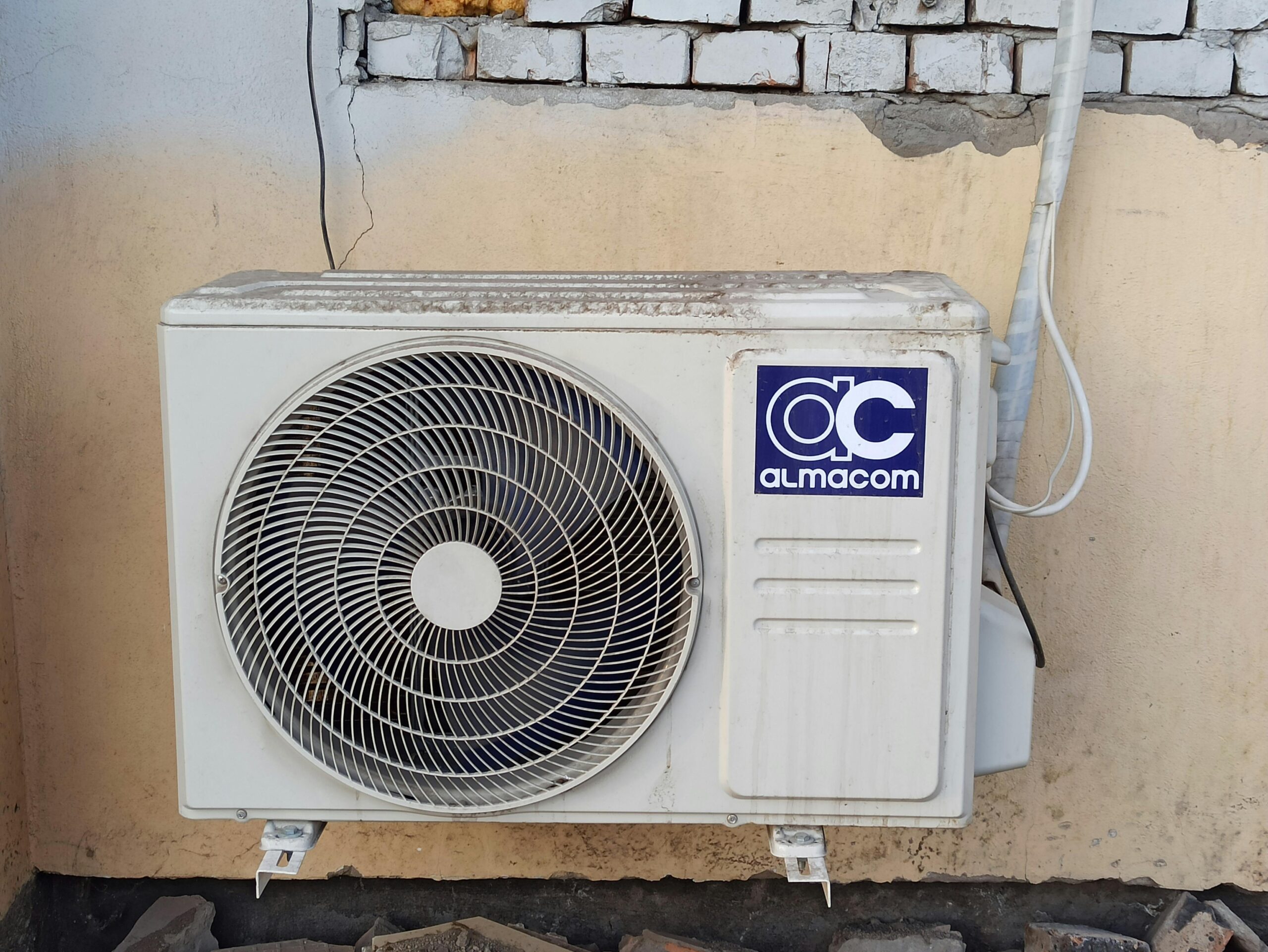
Moisture control technology is undergoing a significant transformation, with hybrid dehumidification systems leading the charge in creating healthier, more comfortable indoor environments worldwide.

The struggle against excess humidity has plagued homeowners, business operators, and industrial facilities for decades. Traditional dehumidification methods, while functional, often fall short in energy efficiency, effectiveness across varying conditions, or both. The emergence of hybrid systems combining condensation and desiccant technologies represents a quantum leap forward in moisture management, offering unprecedented performance that adapts to diverse environmental challenges.
Understanding how these revolutionary systems work, their advantages over conventional approaches, and their practical applications can help you make informed decisions about moisture control in your space. Whether you’re dealing with basement dampness, industrial humidity challenges, or simply seeking optimal indoor air quality, hybrid dehumidification technology offers compelling solutions worth exploring.
🔬 Understanding the Science Behind Hybrid Dehumidification
Hybrid dehumidification systems represent an intelligent fusion of two proven moisture removal technologies. By combining refrigerant-based condensation with chemical desiccant absorption, these systems leverage the strengths of each approach while minimizing their individual weaknesses.
Traditional condensation dehumidifiers work by cooling air below its dew point, causing water vapor to condense on cold coils. This method proves highly effective in warm, humid conditions but struggles when temperatures drop below 65°F (18°C). The coils can frost over, dramatically reducing efficiency and potentially damaging the unit.
Desiccant dehumidifiers, conversely, use moisture-absorbing materials like silica gel or zeolite to pull water from the air through chemical attraction. These systems excel in cold environments and can achieve extremely low humidity levels, but they typically consume more energy and require heat for regeneration.
The hybrid approach integrates both technologies into a single system that automatically switches between or simultaneously employs both methods based on ambient conditions. This intelligent adaptation ensures optimal performance across the full spectrum of temperature and humidity scenarios.
The Condensation Component: Mechanical Efficiency
The refrigerant cycle portion of hybrid systems operates similarly to air conditioners. A compressor circulates refrigerant through coils, creating temperature differentials that promote condensation. When conditions favor this approach—typically above 65°F with moderate to high humidity—the system prioritizes mechanical dehumidification for maximum energy efficiency.
Modern condensation components feature variable-speed compressors, enhanced coil designs, and intelligent defrost algorithms that extend their effective operating range. These improvements allow the mechanical system to function reliably in cooler conditions than previous generations, though desiccant assistance remains valuable at temperature extremes.
The Desiccant Component: Chemical Absorption Power
The desiccant wheel or cartridge within hybrid systems contains highly porous materials with enormous surface areas at the molecular level. As humid air passes through, water molecules adhere to the desiccant material through adsorption—a surface-level bonding process distinct from absorption.
Periodic regeneration restores the desiccant’s moisture-capturing capacity. The system rotates the desiccant wheel or cycles cartridges through a heated airstream, releasing captured moisture to exhaust while preparing the material for continued operation. Advanced hybrid systems optimize regeneration timing and temperature to maximize efficiency.
⚡ Performance Advantages That Transform Moisture Management
The synergy created by combining condensation and desiccant technologies yields performance characteristics that neither system achieves independently. These advantages translate directly into better indoor environments, lower operating costs, and increased equipment longevity.
Energy efficiency represents perhaps the most compelling benefit. By automatically selecting the most efficient dehumidification method for current conditions, hybrid systems can reduce energy consumption by 30-50% compared to single-technology approaches operating across similar conditions. The system uses mechanical condensation during warm periods when it operates most efficiently, then switches to desiccant absorption when temperatures drop or when ultra-low humidity is required.
Temperature independence extends effective operation across a remarkable range—from below freezing to well above 100°F (38°C). This versatility proves invaluable for applications in unconditioned spaces, seasonal facilities, or locations experiencing wide temperature swings. You’re no longer forced to choose between a system that works in summer or winter; hybrid technology handles both seamlessly.
Unprecedented Humidity Control Precision
Achieving and maintaining specific humidity targets becomes significantly easier with hybrid systems. Desiccant technology can drive relative humidity down to 10% or lower when needed—something mechanical dehumidifiers cannot accomplish. Meanwhile, condensation provides rapid moisture removal during high-humidity events. The combination allows precise control across the entire humidity spectrum.
This precision matters tremendously for specialized applications. Museums preserving delicate artifacts, pharmaceutical manufacturing requiring specific moisture levels, or data centers protecting sensitive electronics all benefit from the tight humidity control that hybrid systems deliver.
Enhanced Air Quality Beyond Moisture Removal
An often-overlooked advantage of hybrid systems involves air quality improvements beyond simple dehumidification. The desiccant component captures not just water molecules but also odors, volatile organic compounds (VOCs), and certain airborne contaminants. This secondary filtration effect creates noticeably fresher, cleaner air.
Additionally, by maintaining optimal humidity levels more consistently, hybrid systems help prevent mold, mildew, and dust mite proliferation—all significant indoor air quality concerns. The result is a healthier environment for occupants, particularly those with allergies, asthma, or respiratory sensitivities.
🏭 Real-World Applications Across Industries
The versatility of hybrid dehumidification technology enables applications across remarkably diverse settings. Understanding where these systems excel helps identify opportunities for implementation in your specific context.
Residential Comfort and Protection
Homeowners increasingly recognize moisture control as essential to property value and occupant health. Hybrid systems installed in basements, crawl spaces, or whole-home configurations provide comprehensive protection against humidity-related damage while maintaining comfortable living conditions.
In regions with significant seasonal temperature variation, hybrid technology shines by maintaining consistent performance year-round. The system automatically adapts as seasons change, ensuring your basement stays dry in humid summer months and preventing condensation issues during cold winters—all without manual adjustments or seasonal equipment changes.
Commercial and Industrial Settings
Warehouses, manufacturing facilities, and storage operations face unique moisture challenges. Products can be damaged, equipment can corrode, and worker comfort can suffer when humidity isn’t properly controlled. Hybrid systems scale effectively to large spaces while maintaining the flexibility to handle varying loads and conditions.
Food processing facilities particularly benefit from hybrid technology’s ability to maintain strict humidity parameters essential for food safety and quality. The system’s chemical desiccant component also helps manage odors inherent to food operations, creating a more pleasant work environment.
Specialized Applications Requiring Extreme Control
Certain applications demand moisture control beyond what conventional systems provide. Pharmaceutical manufacturing, electronics assembly, and archival preservation require both low absolute humidity and precise control—exactly what hybrid systems deliver.
- Museums and Archives: Protecting irreplaceable artifacts and documents from humidity damage while maintaining visitor comfort
- Data Centers: Preventing condensation and corrosion in temperature-controlled server environments
- Medical Facilities: Maintaining optimal conditions for equipment, medications, and patient comfort
- Indoor Swimming Pools: Managing extreme humidity loads while preventing structural damage from condensation
- Ice Rinks: Controlling moisture in subfreezing environments where condensation systems fail completely
💡 Key Design Features Driving Performance
Not all hybrid dehumidification systems offer identical capabilities. Understanding critical design elements helps identify systems likely to deliver superior long-term performance and value.
Intelligent Control Systems
Advanced microprocessor controls represent the brain of hybrid systems, constantly monitoring temperature, humidity, and operational parameters to optimize performance. These controllers seamlessly transition between condensation and desiccant modes or blend both approaches based on real-time conditions.
Premium systems feature programmable setpoints, scheduling capabilities, and remote monitoring options. Some integrate with building automation systems or smartphone apps, allowing oversight and adjustment from anywhere. This connectivity enables proactive maintenance and immediate response to developing issues.
Component Quality and Durability
The longevity and reliability of hybrid systems depend heavily on component quality. Robust compressors designed for variable-speed operation, corrosion-resistant coils, and high-quality desiccant materials all contribute to systems that perform reliably for years with minimal maintenance.
Pay particular attention to desiccant wheel construction. Premium wheels feature silica gel or molecular sieve desiccants in honeycomb configurations that maximize surface area while minimizing airflow restriction. These designs maintain effectiveness through thousands of regeneration cycles.
Energy Recovery and Efficiency Optimization
Leading hybrid systems incorporate heat recovery mechanisms that capture thermal energy from the condensation process or regeneration cycle and redirect it productively. This recovered heat might preheat incoming air, assist desiccant regeneration, or contribute to space heating—reducing overall energy consumption.
Variable-speed fans, electronically commutated motors, and optimized airflow paths further enhance efficiency. These refinements might seem minor individually but collectively reduce operating costs substantially over the system’s lifespan.
🔧 Installation Considerations and Best Practices
Proper installation significantly impacts hybrid system performance and longevity. Whether you’re planning new construction or retrofitting existing space, several factors deserve careful consideration.
Sizing represents the most critical installation decision. Oversized systems cycle inefficiently and fail to maintain stable humidity levels. Undersized systems run continuously without achieving target conditions, wasting energy while delivering poor results. Professional load calculations accounting for space volume, air exchange rates, moisture sources, and ambient conditions ensure appropriate capacity.
Drainage planning prevents operational issues. Hybrid systems remove substantial water volumes that must be directed away from the unit reliably. Gravity drainage proves most dependable when feasible, though condensate pumps work well when gravity drainage isn’t possible. Ensure adequate drainage capacity for peak moisture removal rates with safety margin.
Air Distribution and Circulation
Effective moisture control requires distributing dehumidified air throughout the treated space. In smaller areas, the system’s built-in fan may suffice. Larger spaces often benefit from ducted distribution or supplementary circulation fans ensuring all areas receive adequate airflow.
Consider air return locations carefully. Placing returns near moisture sources—bathrooms, kitchens, laundry areas—helps the system address humidity problems efficiently before moisture disperses throughout the space.
Integration With Existing HVAC Systems
Hybrid dehumidifiers can operate standalone or integrate with heating and cooling systems. Integration allows the dehumidifier to condition air before distribution through existing ductwork, creating a comprehensive climate control solution. This approach requires careful coordination between systems to prevent conflicts or inefficiencies.
Ensure adequate electrical service. Hybrid systems with compressors and regeneration heaters require substantial power—typically 15-30 amps for residential units and considerably more for commercial systems. Verify electrical capacity before installation to avoid circuit overload issues.
📊 Comparing Technologies: Making Informed Decisions
Understanding how hybrid systems compare with alternative approaches helps clarify when the technology represents the optimal choice versus situations where simpler solutions might suffice.
| Feature | Hybrid Systems | Condensation Only | Desiccant Only |
|---|---|---|---|
| Temperature Range | Below freezing to 100°F+ | 65°F to 95°F optimal | Freezing to 100°F+ |
| Energy Efficiency | Excellent across all conditions | Excellent in warm conditions | Moderate to high |
| Minimum Humidity Achievable | Below 10% RH | 30-40% RH | Below 10% RH |
| Initial Cost | Higher | Lower | Moderate to high |
| Operating Cost | Lower long-term | Variable | Higher |
| Maintenance Requirements | Moderate | Low | Moderate |
For spaces experiencing stable, moderate conditions year-round, simpler condensation-based systems may provide adequate performance at lower cost. However, for applications requiring consistent performance across varying conditions, extremely low humidity levels, or operation in cold environments, hybrid technology typically delivers superior results and better long-term value despite higher initial investment.
🌱 Environmental Impact and Sustainability Considerations
As environmental consciousness grows, the sustainability profile of dehumidification systems receives increasing scrutiny. Hybrid technology offers several environmental advantages worth considering.
Energy efficiency directly correlates with environmental impact. By reducing electricity consumption 30-50% compared to less efficient alternatives, hybrid systems substantially lower carbon emissions associated with operation. Over a typical 15-20 year lifespan, these savings accumulate to significant environmental benefits.
Many modern hybrid systems use environmentally responsible refrigerants with low global warming potential. As regulations phase out higher-impact refrigerants, systems designed around sustainable alternatives avoid costly retrofits or premature replacement.
The improved moisture control that hybrid systems provide also extends building material lifespan and reduces the need for mold remediation, repainting, or replacement of humidity-damaged components. This durability reduces resource consumption and waste generation over time.
💰 Long-Term Value and Return on Investment
While hybrid dehumidification systems command premium pricing compared to basic alternatives, comprehensive cost analysis reveals compelling long-term value for appropriate applications.
Energy savings represent the most quantifiable ongoing benefit. A hybrid system consuming 40% less electricity than alternatives saves hundreds to thousands of dollars annually depending on system size and runtime. These savings compound year after year, eventually exceeding the initial cost premium.
Maintenance costs for hybrid systems typically fall between condensation and desiccant-only alternatives. The condensation components require periodic coil cleaning and refrigerant checks. Desiccant elements eventually need replacement but usually last 5-10 years in residential applications and 3-7 years under heavy commercial use.
Protecting Your Investment Through Proper Maintenance
Maximizing hybrid system longevity and performance requires consistent maintenance. Fortunately, most maintenance tasks are straightforward and infrequent.
- Filter replacement: Change or clean air filters monthly or quarterly based on usage and conditions
- Coil inspection: Examine condensation coils annually for debris buildup or corrosion
- Drainage verification: Periodically confirm condensate drains properly without blockage
- Desiccant assessment: Monitor desiccant performance and replace when effectiveness declines
- Control calibration: Verify sensor accuracy and control settings annually
Establishing a maintenance schedule and adhering to it prevents minor issues from developing into expensive repairs while ensuring optimal efficiency throughout the system’s operational life.
🚀 The Future of Moisture Control Technology
Hybrid dehumidification represents current best-practice technology, but ongoing developments promise even more impressive future capabilities. Understanding emerging trends helps anticipate how moisture control technology will continue evolving.
Artificial intelligence and machine learning are being integrated into advanced control systems, enabling predictive operation that anticipates humidity changes based on weather forecasts, occupancy patterns, and historical data. These smart systems optimize performance proactively rather than reactively, further improving efficiency and comfort.
Desiccant material research continues advancing, with novel compounds offering higher moisture capacity, faster regeneration, or reduced regeneration temperatures. These improvements will enhance performance while reducing energy requirements.
Integration with renewable energy systems represents another promising development. Solar-assisted hybrid dehumidifiers use photovoltaic power for operation and solar thermal energy for desiccant regeneration, dramatically reducing or eliminating grid electricity dependence.
🎯 Determining If Hybrid Technology Fits Your Needs
Hybrid dehumidification offers compelling advantages, but it isn’t universally the optimal solution. Several factors help determine whether the technology makes sense for your application.
Consider hybrid systems when you face these conditions: wide temperature variation in the space requiring dehumidification; need for very low absolute humidity levels; operation in cold environments; high-value contents requiring premium moisture protection; or situations where energy efficiency delivers significant cost savings.
Conversely, simpler solutions may suffice if your space maintains relatively stable moderate temperatures year-round, required humidity levels fall within normal comfort ranges, or budget constraints make premium technology prohibitive.
Consulting with qualified HVAC professionals or dehumidification specialists provides personalized assessment based on your specific situation. These experts can perform load calculations, evaluate your space’s unique characteristics, and recommend systems appropriately matched to your needs and budget.
The revolution in dehumidification technology represented by hybrid condensation-desiccant systems delivers measurable benefits across countless applications. By intelligently combining proven moisture removal methods, these advanced systems achieve performance levels that neither technology accomplishes independently—optimal moisture control across all conditions with remarkable energy efficiency.
Whether you’re protecting valuable possessions, ensuring product quality in commercial operations, or simply creating healthier, more comfortable indoor environments, hybrid dehumidification technology offers solutions worth serious consideration. The initial investment delivers returns through lower operating costs, superior performance, and enhanced protection that extends well beyond simple moisture removal.
As awareness of indoor air quality’s importance grows and energy efficiency becomes increasingly critical, hybrid dehumidification systems stand positioned as the technology of choice for discerning property owners and facility managers who refuse to compromise on performance or sustainability. The future of moisture control is here—adaptive, efficient, and remarkably effective across every challenge humidity presents. 🌟